

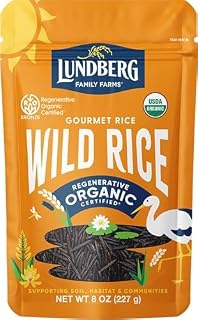


At a glance
Summary
This product is a processed food with rice as the primary ingredient, which provides a good base of carbohydrates. However, the addition of refined sugar and emulsifiers detracts from its nutritional value. The presence of added vitamins and minerals is beneficial, but the overall processing level and inclusion of sugar limit its healthiness compared to less processed grains.
Key ingredients 10
RiceGood
Rice is a natural grain that provides a good source of energy and essential nutrients, making it a beneficial ingredient in this product.
See more about Rice →ThiaminGood
Part of Vitamins. Vitamins are essential nutrients that support overall health and help maintain bodily functions.
See more about Thiamin →NiacinGood
Part of Vitamins. Vitamins are essential nutrients that support overall health and help maintain bodily functions.
See more about Niacin →RiboflavinGood
Part of Vitamins. Vitamins are essential nutrients that support overall health and help maintain bodily functions.
See more about Riboflavin →Mineral (iron)Good
Iron is a vital mineral that supports oxygen transport in the blood and overall energy levels.
Barley Malt ExtractNeutral
Barley Malt Extract is used as a flavor enhancer and sweetener, with a neutral impact on overall nutrition.
See more about Barley Malt Extract →SaltNeutral
Standard formulation ingredient — neither beneficial nor harmful at typical use.
See more about Salt →Vegetable Emulsifier (471)Neutral
Vegetable Emulsifier (471) helps improve texture and stability of the product without significant health impact.
Folic AcidNeutral
Part of Vitamins. Vitamins are essential nutrients that support overall health and help maintain bodily functions.
See more about Folic Acid →SugarBad
Sugar adds sweetness but can contribute to excess calorie intake and is generally considered less healthy when consumed in large amounts.
See more about Sugar →Processing
Processed Foods
Get the full breakdown in the Scout appTake Scout shopping
Scan any product to see lab results, healthy alternatives, and your personalized analysis.
Download on theApp Store GET IT ONGoogle Play