



At a glance
Summary
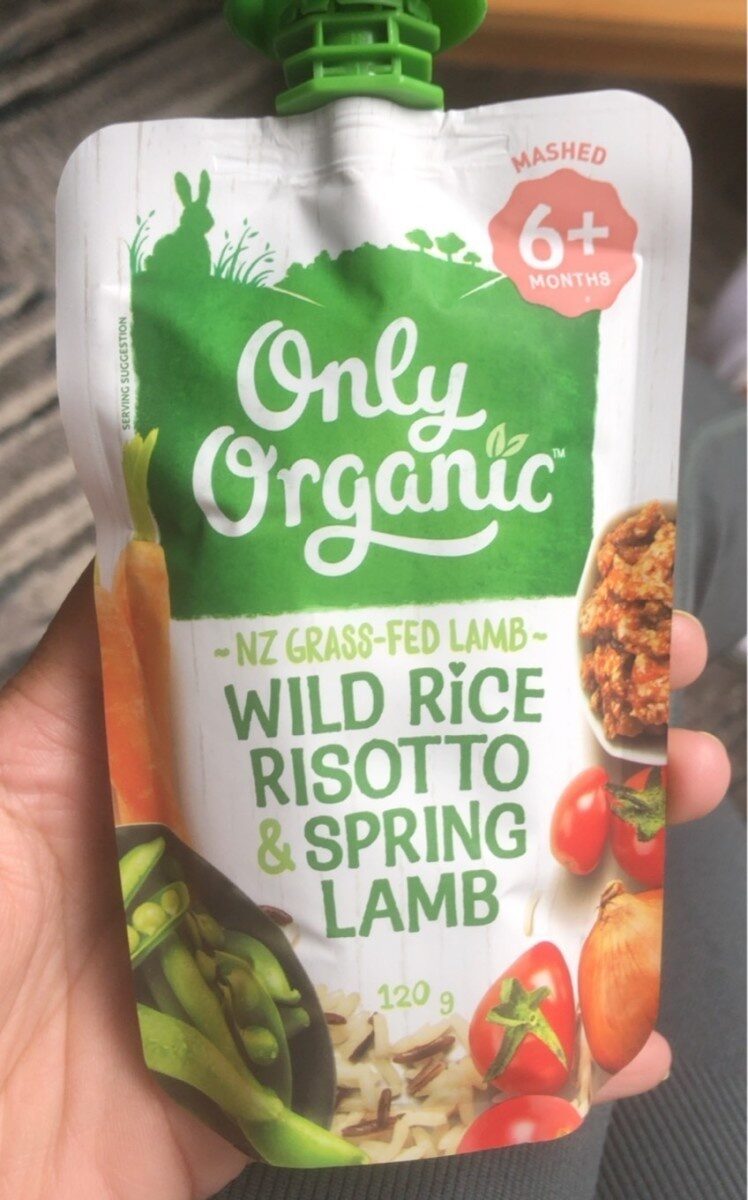
This chicken and mushroom risotto contains several beneficial ingredients like chicken, rice, and vegetables, which provide essential nutrients and protein. However, the presence of stabilizers and unspecified oil, which could be a seed oil, introduces concerns about synthetic additives and potential inflammatory effects. The product's processing level limits its score, as it includes multiple processed components and additives.
Key ingredients 19
SpinachVery Good
Spinach is a nutrient-dense leafy green, rich in vitamins, minerals, and antioxidants. It supports eye health, reduces oxidative stress, and may improve blood pressure. Spinach is minimally processed, retaining its full nutritional profile.
Benefits
High in vitamins A, C, and K, as well as iron and calcium, supporting overall health and wellness.
Cooked chickenGood
Cooked chicken is a good source of high-quality protein, essential for muscle repair and growth. It provides a complete amino acid profile, beneficial for overall health. The chicken used is likely minimally processed, retaining its nutritional value.
Risks
Potential risk of contamination if not cooked or stored properly.
Benefits
Rich in protein and essential nutrients like B vitamins and selenium, supporting muscle health and metabolism.
Chicken breastGood
Chicken breast is a lean source of protein, low in fat and calories. It is rich in essential amino acids and nutrients like niacin and phosphorus. As a minimally processed meat, it retains its nutritional integrity.
Benefits
Provides high-quality protein and essential nutrients, supporting muscle growth and maintenance.
SpicesGood
Spices add flavor and may provide antioxidants and anti-inflammatory compounds. They enhance the taste without adding calories. Different spices offer various health benefits depending on their type.
Benefits
May provide antioxidants and support digestive health, depending on the specific spices used.
RiceGood
Rice is a staple carbohydrate source, providing energy and essential nutrients like B vitamins. It is minimally processed, retaining its natural nutritional profile. Whole grain varieties offer additional fiber and nutrients.
Benefits
Provides energy and essential nutrients, supporting overall health and well-being.
OnionGood
Onions are a natural source of vitamins, minerals, and antioxidants. They add flavor and have potential health benefits, including anti-inflammatory and heart health properties. Onions are minimally processed and retain their nutritional value.
Benefits
Rich in antioxidants and may support heart health and immune function.
GarlicGood
Garlic is known for its potential health benefits, including antimicrobial and cardiovascular support. It contains sulfur compounds that may reduce inflammation and improve heart health. Garlic is a natural, minimally processed ingredient.
Benefits
May support heart health and immune function due to its bioactive compounds.
CreamGood
Traditional whole-fat dairy ingredient.
Risks
High in saturated fat, which may contribute to heart disease if consumed in excess.
Benefits
Provides a source of calcium and vitamin A, supporting bone health and vision.
MushroomsGood
Mushrooms are low in calories and rich in vitamins, minerals, and antioxidants. They provide unique compounds that may support immune function and reduce inflammation. Mushrooms are minimally processed and retain their nutritional benefits.
Benefits
Rich in nutrients like vitamin D and selenium, supporting immune health and antioxidant defense.
Chopped parsleyGood
Parsley is a fresh herb rich in vitamins A, C, and K, and antioxidants. It adds flavor and may support bone health and immune function. Parsley is minimally processed and retains its nutritional benefits.
Benefits
Rich in vitamins and antioxidants, supporting overall health and wellness.
WaterNeutral
Water is a neutral ingredient used as a solvent and cooking medium. It does not contribute calories or nutrients. Its primary role is to aid in the cooking process and maintain moisture.
Benefits
Essential for hydration and cooking processes, but no direct nutritional benefits.
SaltNeutral
Salt is used to enhance flavor but does not provide significant nutritional benefits. It is a source of sodium, which is essential in small amounts. Excessive consumption can lead to health issues like hypertension.
Risks
High sodium intake can increase the risk of high blood pressure and cardiovascular diseases.
Benefits
Essential for maintaining fluid balance and nerve function in the body.
CheeseNeutral
Cheese adds flavor and provides protein and calcium but is high in saturated fat and sodium. It is a processed dairy product with varying nutritional profiles depending on the type. Moderation is recommended to balance benefits and risks.
Risks
High in saturated fat and sodium, which may contribute to heart disease if consumed in excess.
Benefits
Provides calcium and protein, supporting bone health and muscle function.
StockNeutral
Stock is used to enhance flavor and may provide some nutrients depending on its preparation. It is typically low in calories but can be high in sodium. Homemade stocks are preferable for better nutritional quality.
Risks
Commercial stocks may be high in sodium, which can contribute to high blood pressure.
Benefits
May provide flavor and some nutrients, depending on the ingredients used in preparation.
White wineNeutral
White wine is used for flavor enhancement and typically evaporates during cooking. It provides minimal nutritional benefits and is primarily used for its taste. The alcohol content is reduced significantly during cooking.
Benefits
Enhances flavor without contributing significant calories or nutrients.
Grated Parmesan cheeseNeutral
Parmesan cheese adds flavor and provides protein and calcium but is high in sodium and saturated fat. It is a processed cheese with a strong flavor, allowing for smaller quantities to be used. Moderation is recommended to balance benefits and risks.
Risks
High in sodium and saturated fat, which may contribute to heart disease if consumed in excess.
Benefits
Provides calcium and protein, supporting bone health and muscle function.
StabilisersBad
Stabilisers like 407a, 451, and 450 are used to maintain texture and consistency in processed foods. They are synthetic additives with no nutritional benefits. Overconsumption of additives can lead to digestive issues.
Risks
May cause digestive discomfort or allergic reactions in sensitive individuals.
SugarBad
Refined sugar is added for flavor but provides empty calories with no essential nutrients. Excessive intake can lead to weight gain and metabolic issues. It is a highly processed ingredient with potential health risks.
Risks
High consumption can increase the risk of obesity, type 2 diabetes, and dental cavities.
OilVery Bad
The type of oil is unspecified, but if it is a seed oil, it is high in omega-6 fatty acids, which can promote inflammation. Seed oils are highly processed and may contain harmful trans fats. They are not recommended for regular consumption.
Risks
High omega-6 content may promote inflammation when consumed in excess.
Processing
Processed Foods
Get the full breakdown in the Scout appTake Scout shopping
Scan any product to see lab results, healthy alternatives, and your personalized analysis.
Download on theApp Store GET IT ONGoogle Play