


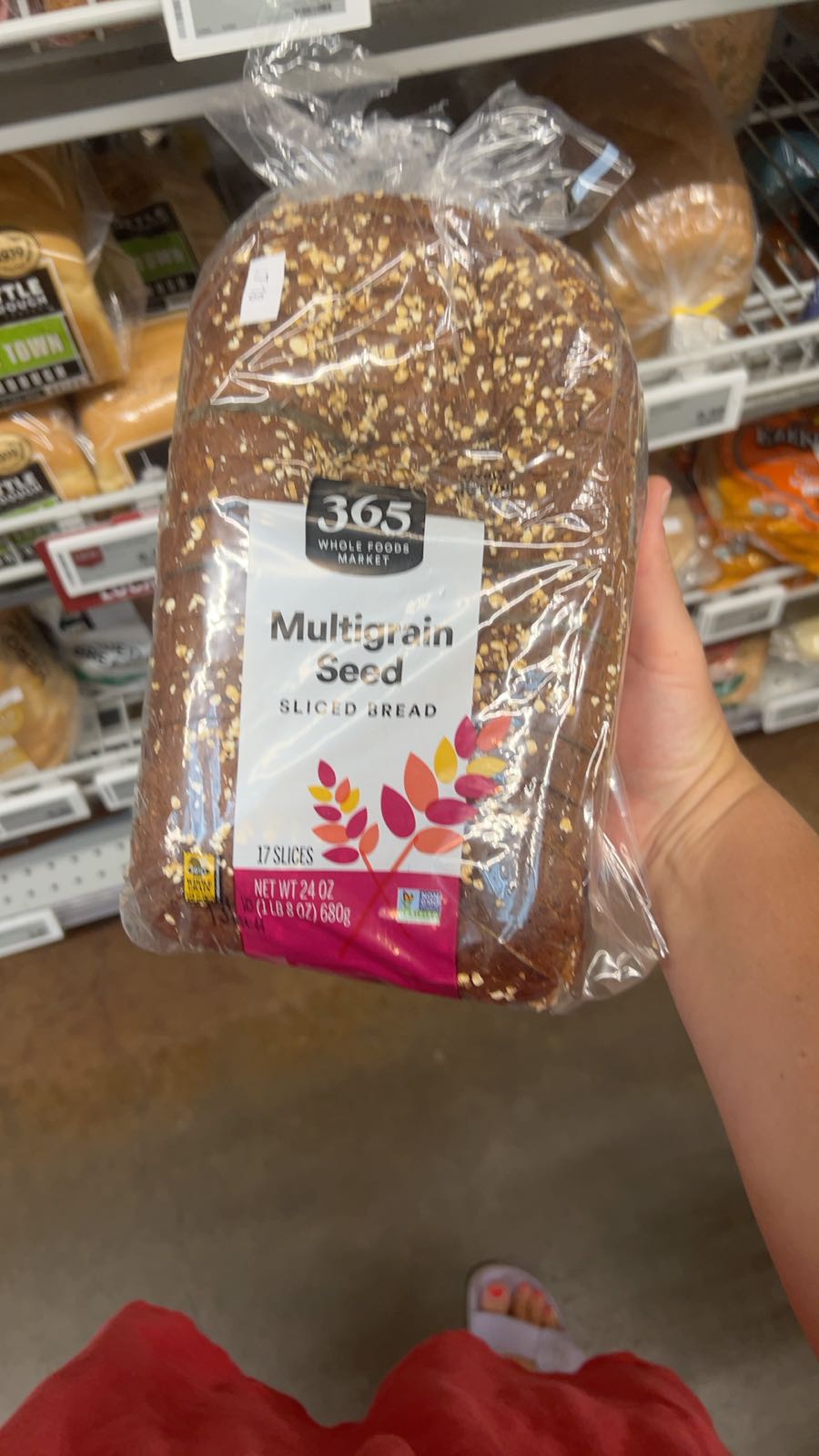


At a glance
Summary
This product is ultra-processed, which limits its potential health score despite having some beneficial ingredients like mixed grains that provide fiber and nutrients. The ingredient list is relatively clean with no harmful additives or seed oils, but the presence of refined wheat flour and the processing level prevent it from scoring higher. The inclusion of milk solids and folic acid adds some nutritional value, but the overall processing level remains a significant factor in the rating.
Key ingredients 9
Mixed grainsGood
Mixed grains, including wheat and rye, offer a variety of nutrients and fiber. They contribute to a more complex flavor and nutritional profile compared to single-grain products. Whole grains are associated with numerous health benefits, including improved digestion.
Risks
May cause allergic reactions in individuals sensitive to gluten.
Benefits
Rich in dietary fiber, which supports digestive health and may help in maintaining a healthy weight.
WaterNeutral
Water is a neutral ingredient used as a solvent and to provide moisture. It does not contribute any calories or nutrients. It is essential for the dough formation in bread products.
See more about Water →Milk solidsNeutral
Milk solids provide protein and calcium, contributing to the nutritional value of the bread. They are derived from milk and add a slight richness to the product. They are commonly used in baked goods for texture and flavor.
Risks
May cause allergic reactions in individuals with lactose intolerance or milk allergies.
Benefits
Provides protein and calcium, which are essential for bone health.
Wheat glutenNeutral
Wheat gluten is added to improve the elasticity and texture of the bread. It is a concentrated form of protein found in wheat. It is essential for the structure of bread, especially in products with mixed grains.
Risks
May cause allergic reactions in individuals with gluten intolerance or celiac disease.
Benefits
Enhances the texture and structure of bread, making it more palatable.
White vinegarNeutral
White vinegar is used as a preservative and to enhance flavor. It is a natural product derived from the fermentation of ethanol. It helps in extending the shelf life of baked goods.
Benefits
Acts as a natural preservative and flavor enhancer.
Iodised saltNeutral
Iodised salt provides essential iodine, which is important for thyroid function. It is a refined form of salt commonly used in processed foods. It enhances flavor and acts as a preservative.
Risks
Excessive consumption may lead to high blood pressure and other cardiovascular issues.
Benefits
Provides iodine, which is essential for thyroid health.
YeastNeutral
Yeast is a microorganism used to ferment and leaven bread. It contributes to the texture and flavor of the bread. It is a natural ingredient essential for bread making.
Benefits
Contributes to the leavening and flavor of bread.
Vitamin (folic acid)Neutral
Folic acid is a synthetic form of vitamin B9 added to fortify foods. It is important for DNA synthesis and repair. It is commonly added to bread to prevent deficiencies in the population.
Risks
Excessive intake may mask vitamin B12 deficiency symptoms.
Benefits
Essential for DNA synthesis and repair, and helps prevent neural tube defects during pregnancy.
Wheat flourBad
Refined grain flour stripped of bran and germ.
Risks
May cause allergic reactions in individuals with gluten intolerance or celiac disease.
Benefits
Provides energy through carbohydrates and some protein content.
Processing
Ultra-Processed Foods
Get the full breakdown in the Scout appTake Scout shopping
Scan any product to see lab results, healthy alternatives, and your personalized analysis.
Download on theApp Store GET IT ONGoogle Play