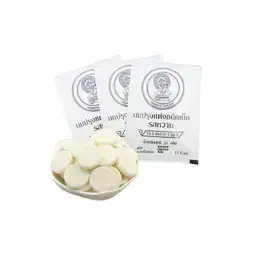
Sour Strips Rainbow Candy
Swap it for
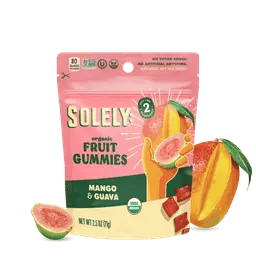
 Solely Organic Mango & Orange Whole Fruit Gummies SOLELY · 3.5 oz · pack of 8 View on Amazon · $35.92 See all Candy, ranked
At a glance
Summary
This candy is highly processed and contains several harmful ingredients, including corn syrup, refined sugar, and artificial colors. These components contribute to high sugar content and potential health risks such as insulin resistance and hyperactivity. The presence of palm oil and artificial flavoring further indicates a high level of processing, which significantly reduces its healthfulness.
Key ingredients 16
Artificial colorsVery Bad
Artificial colors such as FD&C Red No. 40 and Blue No. 1 are synthetic dyes used to enhance appearance. They are linked to hyperactivity and allergic reactions in sensitive individuals. Their use is controversial due to potential health risks.
Risks
May cause hyperactivity and allergic reactions, especially in children.
Corn syrupBad
Refined sugar syrup.
Risks
High consumption may lead to obesity, insulin resistance, and other metabolic disorders.
SugarBad
Refined sugar is a major contributor to calorie intake with no essential nutrients. It can lead to weight gain and increased risk of chronic diseases. Excessive consumption is associated with dental cavities and metabolic issues.
Risks
May contribute to obesity, type 2 diabetes, and heart disease when consumed in excess.
Wheat flourBad
Refined grain flour stripped of bran and germ.
Risks
May cause blood sugar spikes and is a common allergen for those with gluten sensitivity.
Benefits
Provides energy through carbohydrates but lacks significant nutritional benefits.
Modified cornstarchBad
Modified cornstarch is a processed carbohydrate used as a thickener or stabilizer. It offers little nutritional value and can contribute to high calorie intake. Its processing can involve chemical modifications that may not be ideal for health.
Risks
May contribute to high calorie intake without providing essential nutrients.
Palm oilBad
Palm oil is a widely used vegetable oil that is high in saturated fats. Its production is associated with environmental concerns such as deforestation. It can contribute to increased cholesterol levels when consumed in excess.
Risks
High in saturated fats, which may raise cholesterol levels and increase heart disease risk.
Benefits
Provides a stable cooking fat with a long shelf life but limited nutritional benefits.
Mono and diglyceridesBad
Mono and diglycerides are emulsifiers used to improve texture and shelf life. They are processed fats that can contain trans fats. Their consumption is linked to potential health concerns related to heart health.
Risks
May contain trans fats, which are associated with increased risk of heart disease.
Benefits
Improves texture and stability of food products but offers no nutritional benefits.
Artificial flavoringBad
Artificial flavoring is used to mimic natural flavors in processed foods. It is chemically synthesized and lacks nutritional value. Its consumption is associated with potential health concerns and allergies.
Risks
May cause allergic reactions and contribute to hyperactivity in sensitive individuals.
Malic acidNeutral
Malic acid is a naturally occurring acid used to enhance flavor. It is generally recognized as safe and is found in many fruits. It can add a tart taste to foods without significant health concerns.
Benefits
Enhances flavor without adding calories or sugar.
Citric acidNeutral
Citric acid is a natural preservative and flavor enhancer found in citrus fruits. It is commonly used in food products to add acidity and preserve freshness. It is generally recognized as safe with minimal health concerns.
Benefits
Helps preserve food and enhance flavor without adding calories.
Lactic acidNeutral
Lactic acid is used as a preservative and flavoring agent. It is naturally found in fermented foods and is generally recognized as safe. It can help maintain food quality and safety.
Benefits
Contributes to food preservation and flavor enhancement.
Sodium lactateNeutral
Sodium lactate is a salt derived from lactic acid used as a preservative. It helps maintain moisture and extend shelf life. It is generally recognized as safe with no major health concerns.
Benefits
Helps retain moisture and extend the shelf life of products.
Trisodium citrateNeutral
Trisodium citrate is used as an acidity regulator and preservative. It is a salt of citric acid and is generally recognized as safe. It helps maintain the stability and flavor of food products.
Benefits
Maintains product stability and enhances flavor.
SaltNeutral
Salt is a common seasoning and preservative. It is essential for flavor but excessive intake can lead to health issues. It is refined and lacks the trace minerals found in unrefined salts.
Risks
Excessive consumption can lead to high blood pressure and cardiovascular issues.
Benefits
Enhances flavor and is essential for various bodily functions.
GlycerinNeutral
Glycerin is a sugar alcohol used as a sweetener and humectant. It is generally recognized as safe and provides moisture retention. It has a lower glycemic index compared to sugar.
Risks
Excessive consumption may cause digestive discomfort.
Benefits
Helps retain moisture and provides sweetness with a lower glycemic impact.
Turmeric oleoresinNeutral
Turmeric oleoresin is a natural coloring agent derived from turmeric. It is used to impart color without significant health concerns. It contains curcumin, which has potential anti-inflammatory properties.
Benefits
Provides natural color and may offer anti-inflammatory benefits due to curcumin content.
Processing
Ultra-Processed Foods
Get the full breakdown in the Scout appTake Scout shopping
Scan any product to see lab results, healthy alternatives, and your personalized analysis.
Are you Sour Strips? Fix an error Get the badge Get tested
Amazon pricing & content
Amazon price for Solely Organic Mango & Orange Whole Fruit Gummies as of . Product prices and availability are accurate as of the date/time indicated and are subject to change. Any price and availability information displayed on Amazon.com at the time of purchase will apply to the purchase of this product.
CERTAIN CONTENT THAT APPEARS ON THIS SITE COMES FROM AMAZON. THIS CONTENT IS PROVIDED “AS IS” AND IS SUBJECT TO CHANGE OR REMOVAL AT ANY TIME.