

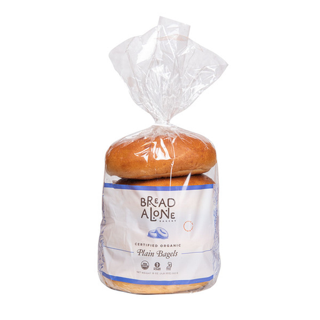
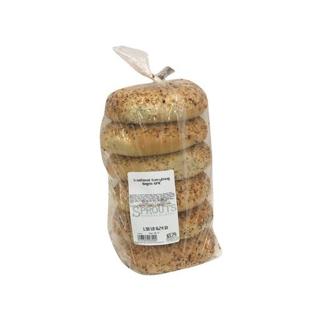
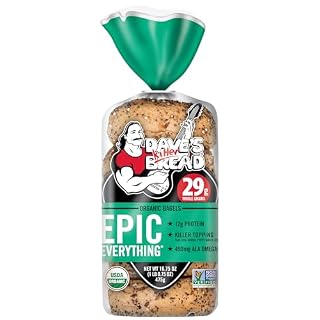

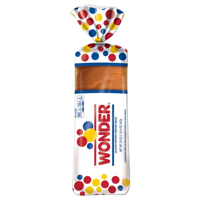

Wonder Bread Bagels
At a glance
Summary
Wonder Bread Bagels score 44/100, indicating a low nutritional value primarily due to the presence of enriched flour, which may contribute to less favorable health outcomes. The product lacks beneficial ingredients and contains one harmful substance, suggesting it may not be the best choice for those seeking healthier options.
Key ingredients 6
Enriched flourBad
Enriched flour is a refined grain product that has been stripped of its natural nutrients and fiber. It is often fortified with synthetic vitamins and minerals to replace some of the lost nutrients. The refining process can lead to rapid spikes in blood sugar levels.
See more about Enriched flour →Malted barley flourNeutral
Malted barley flour is used to enhance flavor and improve the texture of baked goods. It is minimally processed and retains some of the grain's natural nutrients. However, it is typically used in small amounts and does not significantly impact the nutritional profile of the product.
See more about Malted barley flour →Reduced ironNeutral
Reduced iron is added to enriched flour to replace iron lost during the refining process. It is an essential mineral that supports oxygen transport in the blood. However, the bioavailability of synthetic iron is lower compared to iron from natural food sources.
See more about Reduced iron →Thiamine mononitrateNeutral
Thiamine mononitrate is a synthetic form of vitamin B1 added to enriched flour to replace nutrients lost during processing. It is essential for carbohydrate metabolism and nerve function. As a synthetic additive, it does not provide the same benefits as naturally occurring thiamine in whole foods.
See more about Thiamine mononitrate →NiacinGood
Beneficial ingredient — whole-food or functional value in this product class.
See more about Niacin →Ascorbic acidGood
Vitamin C — beneficial even when serving as a preservative.
See more about Ascorbic acid →Processing
Processed Foods
Get the full breakdown in the Scout appTake Scout shopping
Scan any product to see lab results, healthy alternatives, and your personalized analysis.
Download on theApp Store GET IT ONGoogle Play