
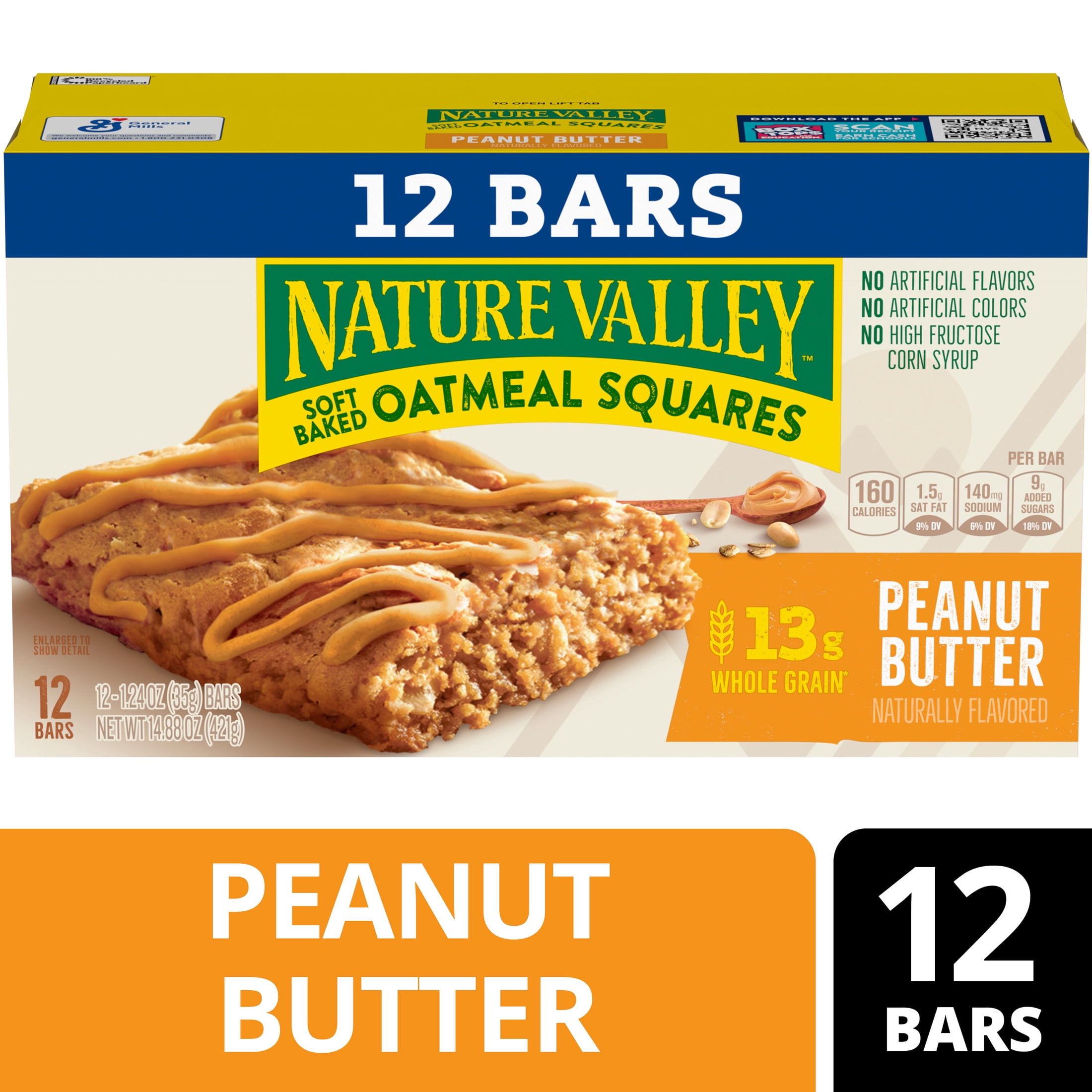

Nature Valley Soft Baked Honey Peanut Butter Filled Squares
Analysis updated May 2026 · How Scout scores
At a glance
Summary
This product contains beneficial ingredients like whole grain wheat flour, peanut butter, and oats, which provide fiber and healthy fats. However, it is heavily processed and includes harmful components such as refined sugar, canola oil, and palm oils, which are linked to inflammation and environmental concerns. The presence of multiple additives and the high level of processing significantly impact its healthiness.
Key ingredients 16
Whole grain oatsVery Good
Whole grain oats are a rich source of soluble fiber, particularly beta-glucan. They help lower cholesterol levels and improve heart health. Oats also provide essential vitamins and minerals.
Benefits
Supports heart health and provides sustained energy due to its fiber content.
Whole grain wheat flourGood
Whole grain wheat flour is a source of dietary fiber and essential nutrients. It is less processed than refined flour, retaining more vitamins and minerals. This ingredient supports digestive health and provides sustained energy.
Risks
Contains gluten, which may cause issues for individuals with celiac disease or gluten sensitivity.
Benefits
Rich in fiber, which aids in digestion and helps maintain stable blood sugar levels.
Peanut butterGood
Peanut butter is a good source of protein and healthy fats. It contains essential nutrients like vitamin E, magnesium, and potassium. The presence of healthy fats supports heart health and provides satiety.
Risks
May cause allergic reactions in individuals with peanut allergies.
Benefits
Rich in monounsaturated fats and protein, supporting heart health and muscle maintenance.
HoneyGood
Traditional whole-food sweetener with trace enzymes and antioxidants.
Risks
High sugar content can contribute to weight gain and dental issues if consumed in excess.
Benefits
Contains antioxidants and may have antimicrobial properties.
Egg whiteGood
Egg white is a high-quality protein source with all essential amino acids. It is low in calories and fat, making it a healthy addition to foods. Egg whites support muscle maintenance and repair.
Risks
May cause allergic reactions in individuals with egg allergies.
Benefits
Provides high-quality protein with essential amino acids for muscle maintenance.
Chicory root extractNeutral
Chicory root extract is a source of inulin, a type of prebiotic fiber. It supports digestive health by promoting beneficial gut bacteria. However, it may cause digestive discomfort in some individuals.
Risks
May cause bloating or gas in sensitive individuals.
Benefits
Supports digestive health by promoting beneficial gut bacteria.
Peanut flourNeutral
Peanut flour is a protein-rich ingredient derived from peanuts. It is lower in fat compared to whole peanuts and can enhance the protein content of foods. However, it may cause allergic reactions in sensitive individuals.
Risks
May cause allergic reactions in individuals with peanut allergies.
Benefits
Provides protein and flavor with reduced fat content compared to whole peanuts.
Vegetable glycerinNeutral
Vegetable glycerin is a humectant used to retain moisture in foods. It is generally recognized as safe and has a slightly sweet taste. It is derived from plant oils and is used in small quantities.
Benefits
Helps retain moisture and improve texture in food products.
Baking sodaNeutral
Baking soda is a leavening agent used to help baked goods rise. It is chemically stable and safe for consumption in small amounts. It does not contribute significant nutritional value.
Benefits
Improves texture and volume in baked goods.
SaltNeutral
Salt is used to enhance flavor and preserve food. It is essential for maintaining fluid balance and nerve function. However, excessive intake can lead to hypertension.
Risks
High intake can contribute to high blood pressure and cardiovascular issues.
Benefits
Essential for fluid balance and nerve function in the body.
Nonfat dry milkNeutral
Nonfat dry milk is a dehydrated form of milk that retains most nutrients. It provides protein and calcium without the fat content of whole milk. It is used to enhance the nutritional profile of foods.
Risks
May cause allergic reactions in individuals with lactose intolerance or milk allergies.
Benefits
Provides protein and calcium, supporting bone health.
SugarBad
Refined sugar is a high-calorie ingredient with no essential nutrients. It can contribute to weight gain and increase the risk of chronic diseases. Excessive consumption may lead to insulin resistance and dental issues.
Risks
High intake can lead to obesity, type 2 diabetes, and heart disease.
Benefits
Provides quick energy but lacks nutritional benefits.
Palm and palm kernel oilBad
Palm and palm kernel oil are high in saturated fats, which can raise LDL cholesterol levels. The production of palm oil is associated with environmental concerns. These oils are often used for their stability in processed foods.
Risks
High saturated fat content may increase the risk of heart disease.
Benefits
Provides stability and texture to processed foods but lacks significant health benefits.
Peanut oilBad
Processed additive flagged under Scout's ingredient doctrine.
Risks
May cause allergic reactions in individuals with peanut allergies.
Benefits
Contains monounsaturated fats that support heart health.
Natural flavorBad
Natural flavor is a catch-all term for flavoring agents derived from natural sources. It lacks transparency, making it difficult to assess its health impact. The processing and source of these flavors are often undisclosed.
Risks
Lack of transparency can lead to potential allergen exposure or unknown health effects.
Canola oilVery Bad
Canola oil is a seed oil high in omega-6 fatty acids, which can promote inflammation. It is often highly processed and may contain trans fats. The extraction process involves high heat and chemicals, reducing its nutritional quality.
Risks
High omega-6 content may promote inflammation when consumed in excess.
Processing
Ultra-Processed Foods
Get the full breakdown in the Scout appTake Scout shopping
Scan any product to see lab results, healthy alternatives, and your personalized analysis.
Download on theApp Store GET IT ONGoogle Play