
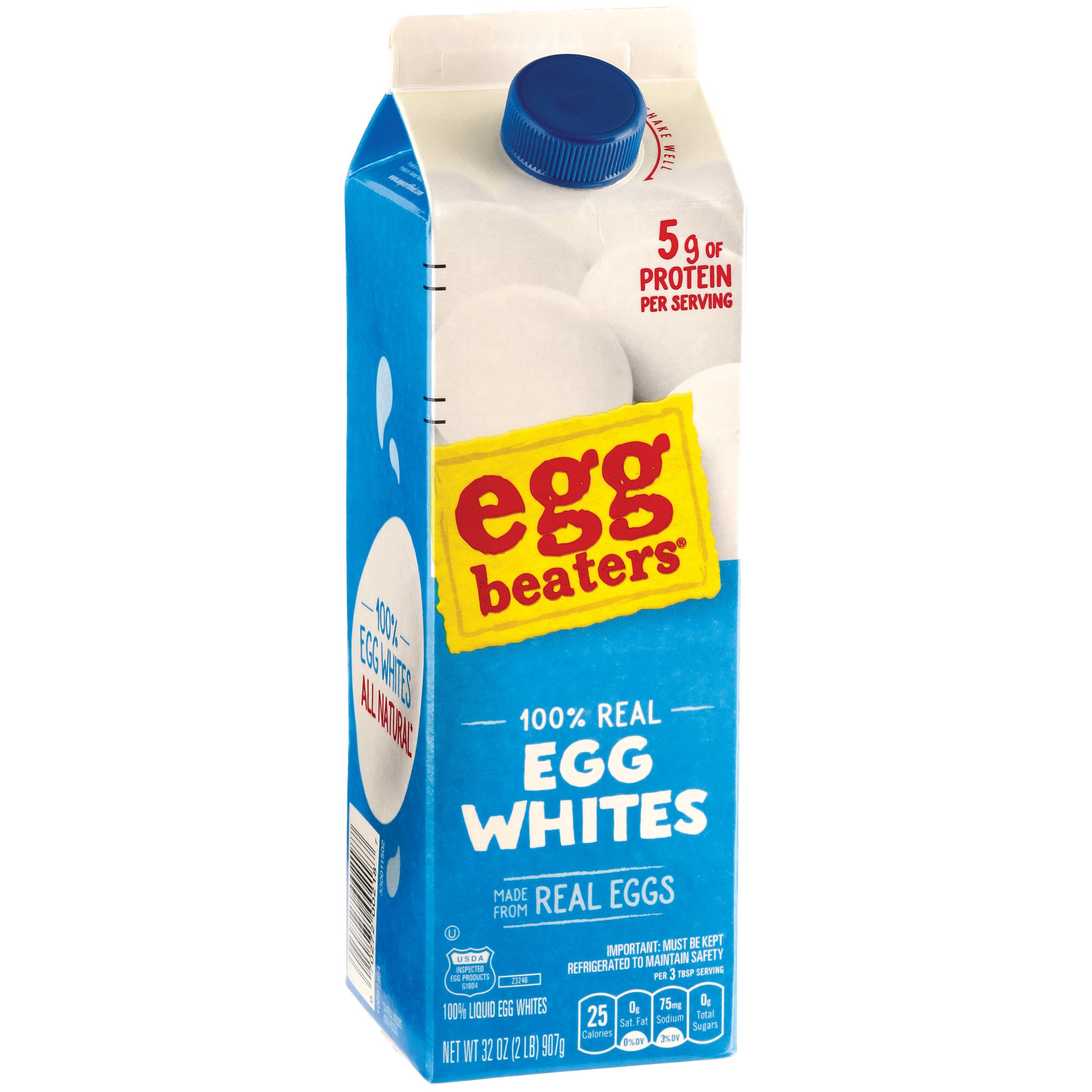


At a glance
Summary
This product is primarily composed of egg whites, which are a high-quality protein source with minimal fat. However, it is considered ultra-processed due to the inclusion of additives like natural flavors and vegetable gums, which detract from its overall healthiness. The presence of beneficial vitamins and minerals is positive, but the processing level and use of non-transparent flavoring agents limit its score.
Key ingredients 9
Egg WhitesVery Good
Egg whites are a high-quality source of protein with minimal fat content. They are pasteurized to ensure safety and reduce the risk of foodborne illness. Compared to whole eggs, they provide protein without the cholesterol found in yolks.
Benefits
Excellent source of protein, supporting muscle repair and growth. Low in calories and fat, making it suitable for weight management.
Beta CaroteneGood
Beta carotene is a natural pigment used for coloring and is a precursor to vitamin A. It is typically derived from natural sources like carrots and is considered safe. It provides antioxidant properties that can support eye health.
Benefits
Acts as an antioxidant and supports vision and immune function.
Alpha Tocopherol AcetateGood
Alpha tocopherol acetate is a form of vitamin E used for fortification. It acts as an antioxidant, protecting cells from oxidative damage. It is stable and effective in food applications, supporting skin and immune health.
Benefits
Provides antioxidant benefits and supports immune function.
Zinc SulfateGood
Zinc sulfate is used to fortify foods with zinc, an essential mineral. It supports immune function and wound healing. While it is effective for fortification, it is less bioavailable than zinc from animal sources.
Risks
Excessive zinc intake can interfere with copper absorption, but this is unlikely from food sources alone.
Benefits
Supports immune health and is essential for enzyme function.
Xanthan GumNeutral
Xanthan gum is a common food additive used as a thickener and stabilizer. It is produced through fermentation of sugars by bacteria. While it is generally recognized as safe, it provides no nutritional benefits.
Risks
May cause digestive discomfort in sensitive individuals when consumed in large amounts.
Guar GumNeutral
Guar gum is a natural thickening agent derived from guar beans. It is used to improve texture and stability in food products. While it is safe for most people, it does not contribute significant nutritional value.
Risks
Excessive consumption may lead to digestive issues such as gas or bloating.
Calcium SulfateNeutral
Calcium sulfate is used as a firming agent and source of calcium in food products. It is generally recognized as safe and contributes to the mineral content of foods. However, it does not provide significant health benefits beyond its mineral content.
Benefits
Provides a source of calcium, which is essential for bone health.
Ferric PhosphateNeutral
Ferric phosphate is used as an iron fortification in food products. It helps prevent iron deficiency anemia but is less bioavailable compared to heme iron from animal sources. It is generally safe when used in appropriate amounts.
Risks
Excessive iron intake can lead to toxicity, but this is rare from food sources alone.
Benefits
Contributes to the prevention of iron deficiency anemia.
Natural FlavorsBad
Natural flavors are often used to enhance taste but can be derived from complex chemical processes. They lack transparency, making it difficult to assess their true origin and potential health impacts. Compared to whole food ingredients, they offer no nutritional benefits.
Risks
Potential for allergic reactions or sensitivities due to undisclosed components.
Processing
Ultra-Processed Foods
Get the full breakdown in the Scout appTake Scout shopping
Scan any product to see lab results, healthy alternatives, and your personalized analysis.
Download on theApp Store GET IT ONGoogle Play