

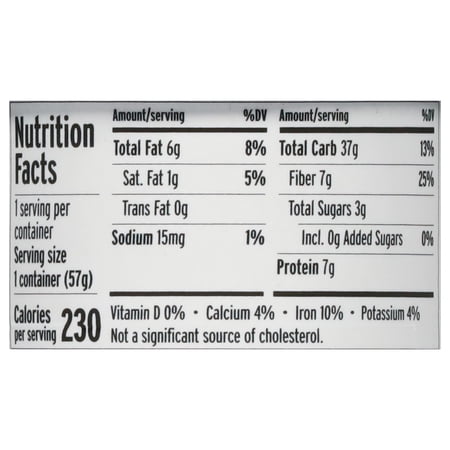

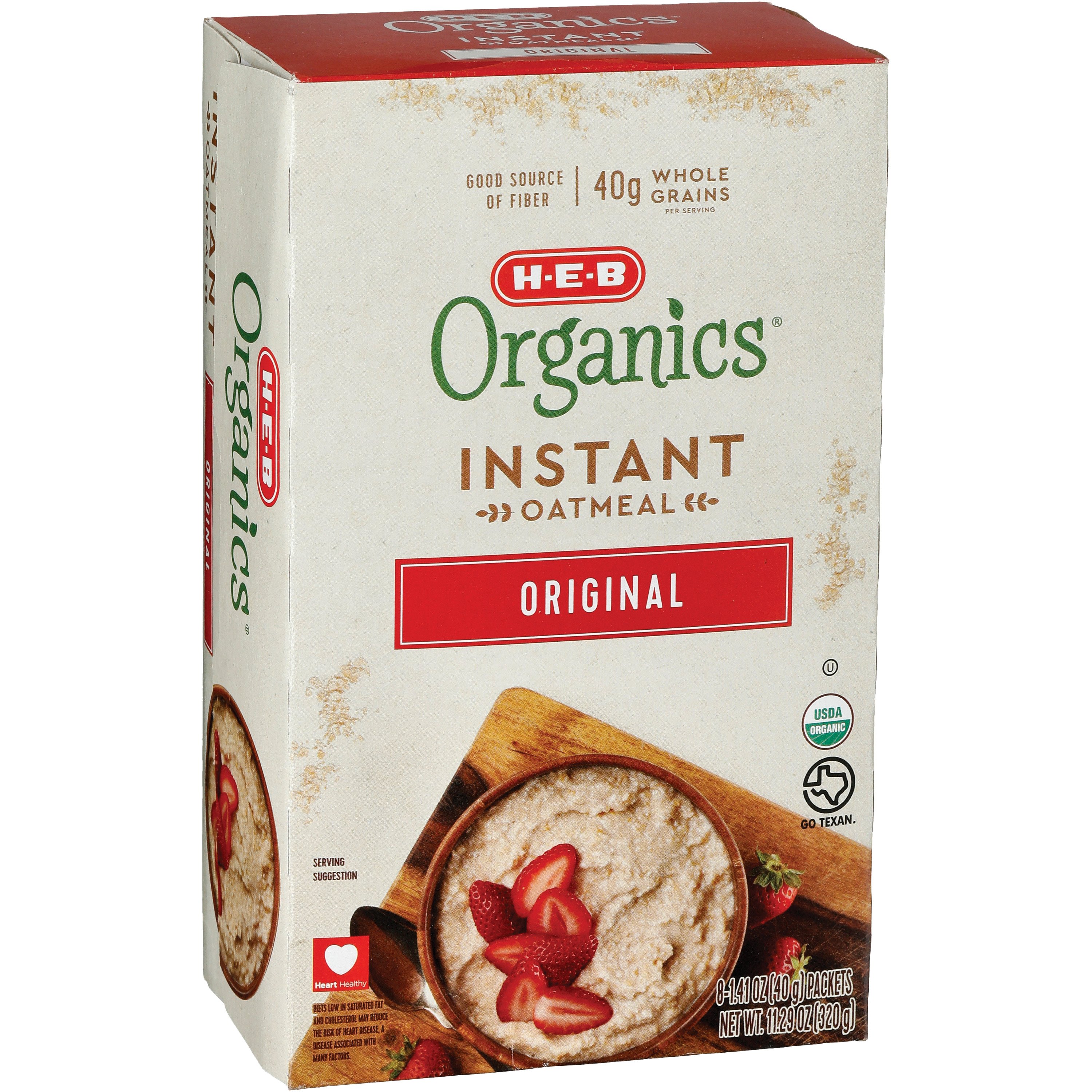

Quaker 50% Less Sugar Apple Walnut Instant Oatmeal 1.34 Ounce Cup
Analysis updated May 2026 · How Scout scores
At a glance
Summary
This oatmeal product contains beneficial ingredients like whole grain rolled oats, walnuts, and cinnamon, which provide fiber, healthy fats, and antioxidants. However, it is heavily processed and includes added sugars and natural flavors, which detract from its overall healthiness. The presence of these processed ingredients and the use of additives contribute to a lower score, despite some nutritional benefits.
Key ingredients 15
Whole grain rolled oatsVery Good
Whole grain rolled oats are a rich source of dietary fiber and essential nutrients. They provide beta-glucan, which can help lower cholesterol levels and improve heart health. As a minimally processed whole grain, they offer sustained energy and satiety.
Benefits
Rich in fiber and essential nutrients, supporting heart health and providing sustained energy.
WalnutsVery Good
Walnuts are a great source of healthy fats, particularly omega-3 fatty acids. They also provide protein, fiber, and essential vitamins and minerals. Regular consumption of walnuts can support heart health and reduce inflammation.
Risks
Potential allergen for individuals with nut allergies.
Benefits
Rich in omega-3 fatty acids, supporting heart health and reducing inflammation.
Dehydrated apple piecesGood
Dehydrated apple pieces add natural sweetness and fiber to the product. They retain most of the nutrients found in fresh apples, including vitamins and antioxidants. The dehydration process concentrates these nutrients, enhancing their health benefits.
Risks
Contains sodium sulfite, which may cause allergic reactions in sensitive individuals.
Benefits
Provides natural sweetness and fiber, along with vitamins and antioxidants.
CinnamonGood
Cinnamon is a spice with antioxidant properties and potential health benefits. It may help regulate blood sugar levels and has anti-inflammatory effects. Its inclusion adds flavor and potential health benefits to the product.
Benefits
Contains antioxidants and may help regulate blood sugar levels.
NiacinamideGood
Vitamin B3 — evidence-backed skin and metabolic benefits.
Benefits
Supports energy metabolism and skin health.
Pyridoxine hydrochlorideGood
Beneficial ingredient — whole-food or functional value in this product class.
Benefits
Supports protein metabolism and cognitive development.
RiboflavinGood
Essential B vitamin — beneficial micronutrient.
Benefits
Supports energy production and metabolism of macronutrients.
SaltNeutral
Salt is used to enhance flavor and preserve food. While necessary in small amounts for bodily functions, excessive intake can lead to hypertension and cardiovascular issues. It is important to consume salt in moderation.
Risks
High intake can lead to hypertension and cardiovascular problems.
Benefits
Essential for maintaining fluid balance and nerve function in the body.
Stevia leaf extractNeutral
Stevia leaf extract is a natural, zero-calorie sweetener derived from the stevia plant. It is used as an alternative to sugar without adding calories. While generally considered safe, its long-term effects are still being studied.
Benefits
Provides sweetness without calories, making it a sugar alternative.
Vitamin A palmitateNeutral
Vitamin A palmitate is a synthetic form of vitamin A used in fortification. It supports vision, immune function, and skin health. While beneficial, excessive intake can lead to toxicity.
Risks
Excessive intake can lead to vitamin A toxicity.
Benefits
Supports vision, immune function, and skin health.
Thiamin mononitrateNeutral
Thiamin mononitrate is a form of vitamin B1 used in food fortification. It is crucial for energy metabolism and nerve function. As a synthetic vitamin, it is added to enhance the nutritional profile of the product.
Benefits
Supports energy metabolism and nerve function.
Folic acidNeutral
Folic acid is a synthetic form of vitamin B9 used in food fortification. It is important for DNA synthesis and cell division. While beneficial, excessive intake can mask vitamin B12 deficiency.
Risks
Excessive intake can mask vitamin B12 deficiency.
Benefits
Supports DNA synthesis and cell division.
SugarBad
Refined sugar is a source of empty calories with no essential nutrients. Excessive consumption can lead to weight gain, increased blood sugar levels, and other health issues. It is often added to enhance sweetness but offers no nutritional benefits.
Risks
Excessive intake can lead to obesity, diabetes, and other metabolic disorders.
Natural flavorBad
Natural flavors are often used to enhance taste but lack transparency in their composition. They can contain a variety of chemicals and additives, which may not be disclosed. This lack of transparency can be concerning for consumers seeking clean labels.
Risks
Potential for undisclosed additives and allergens.
Brown sugarBad
Brown sugar is similar to refined sugar, providing calories without essential nutrients. It is often used for its molasses flavor but still contributes to sugar intake. Excessive consumption can lead to similar health issues as refined sugar.
Risks
Can contribute to weight gain and metabolic disorders if consumed in excess.
Processing
Ultra-Processed Foods
Get the full breakdown in the Scout appTake Scout shopping
Scan any product to see lab results, healthy alternatives, and your personalized analysis.
Download on theApp Store GET IT ONGoogle Play