

/https://media.azurestandard.com/files/4606977c-ac5b-4c1a-9e5c-d8d5e23ff7e8)


At a glance
Summary
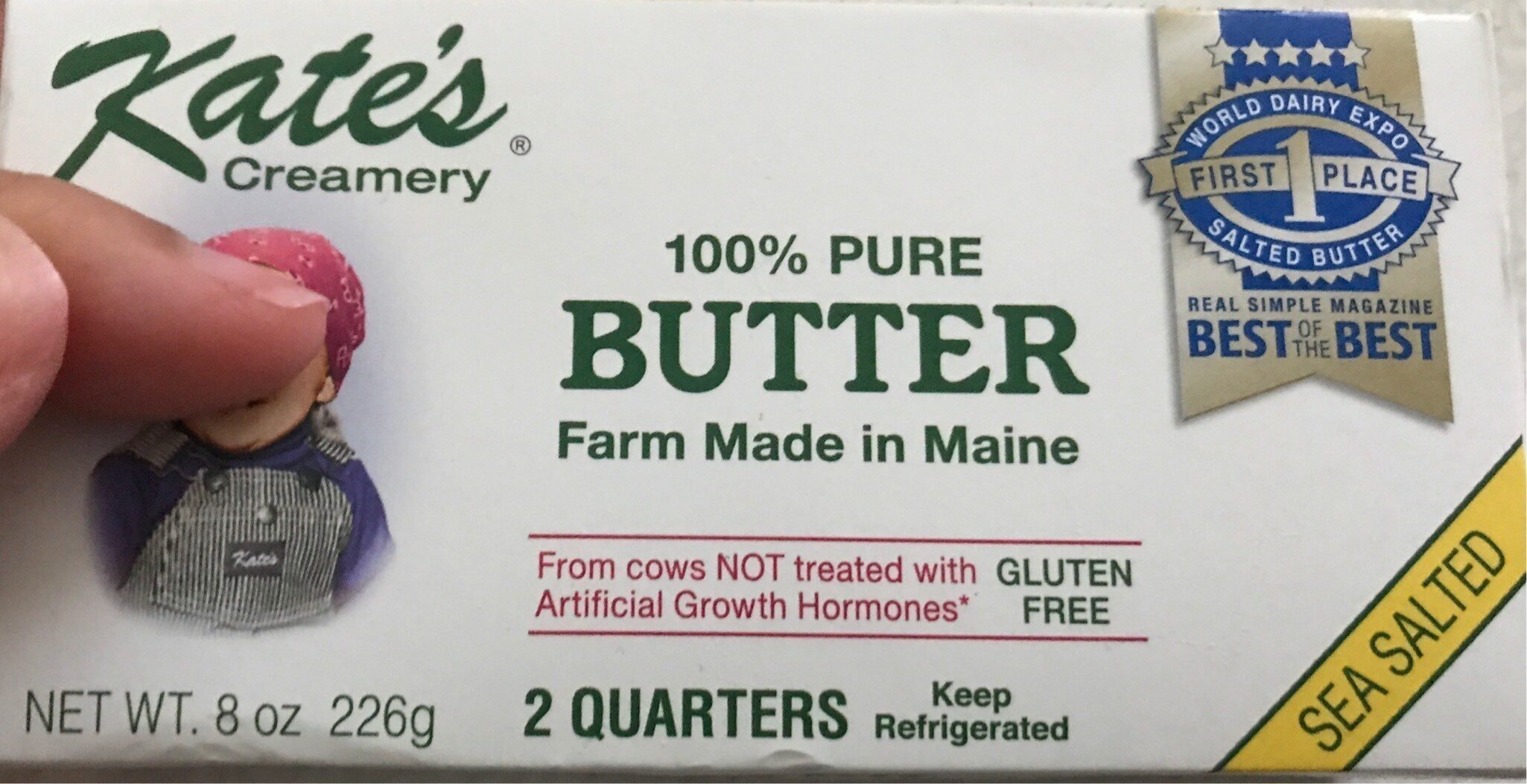
This product is primarily composed of butter, which is a minimally processed ingredient providing essential nutrients like saturated fats and fat-soluble vitamins. The addition of salt is minimal and does not significantly impact the healthiness of the product. Its processing level is low, and it lacks harmful additives, making it a relatively healthy choice within its category.
Key ingredients 3
ButterGood
Butter is a natural source of saturated fats and fat-soluble vitamins. It is minimally processed and provides essential nutrients like vitamin A and D. Grass-fed butter is particularly beneficial due to higher omega-3 and CLA content.
Risks
Excessive consumption of saturated fats may contribute to heart disease risk in some individuals.
Benefits
Rich in fat-soluble vitamins and provides a source of energy. Grass-fed varieties offer additional health benefits due to higher nutrient content.
SaltNeutral
Salt is used to enhance flavor and preserve food. It is a common culinary ingredient with no significant processing concerns. However, it does not provide additional nutritional benefits beyond sodium.
Risks
High sodium intake can lead to increased blood pressure and cardiovascular risk.
Benefits
Essential for maintaining fluid balance and nerve function in the body.
Milk FatNeutral
Milk fat is the primary component of butter, providing a rich source of energy and flavor. It is a natural fat derived from milk with minimal processing. While it offers some nutritional benefits, it is primarily a source of saturated fat.
Risks
High intake of saturated fats may increase cholesterol levels and heart disease risk.
Benefits
Provides a rich source of energy and contributes to the creamy texture and flavor of butter.
Processing
Processed Culinary Ingredients
Get the full breakdown in the Scout appTake Scout shopping
Scan any product to see lab results, healthy alternatives, and your personalized analysis.
Download on theApp Store GET IT ONGoogle Play