


At a glance
Summary
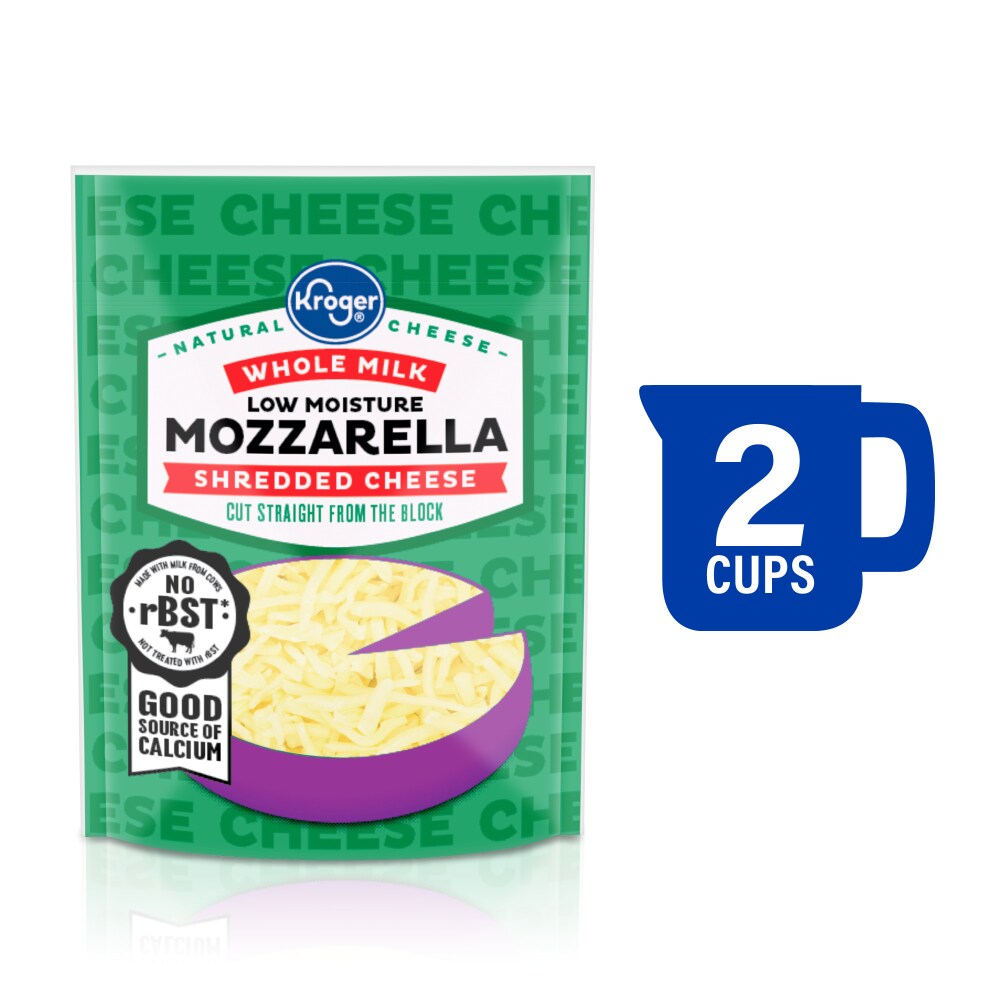
This shredded mozzarella cheese is moderately processed, containing pasteurized milk as a beneficial ingredient, which provides essential nutrients like calcium and protein. However, the presence of dextrose and natamycin, used for flavor enhancement and preservation, respectively, detracts from its nutritional profile. The product's processing level and inclusion of these additives limit its score, despite the absence of more harmful ingredients like seed oils or artificial dyes.
Key ingredients 9
Pasteurized MilkGood
Pasteurized milk is a primary source of calcium and protein, essential for bone health and muscle maintenance. The pasteurization process ensures safety by eliminating harmful bacteria. It retains most of its nutritional value, making it a beneficial ingredient.
Benefits
Rich in calcium and protein, supporting bone health and muscle function. Provides essential vitamins and minerals.
Cheese CultureGood
Beneficial ingredient — whole-food or functional value in this product class.
Benefits
Essential for the fermentation process in cheese-making, contributing to flavor and texture.
SaltNeutral
Salt is used to enhance flavor and act as a preservative in cheese. It is a common ingredient in many foods but should be consumed in moderation due to potential health risks associated with high sodium intake. It does not provide additional nutritional benefits beyond sodium.
Risks
Excessive consumption may lead to high blood pressure and other cardiovascular issues.
Benefits
Enhances flavor and acts as a preservative in cheese.
EnzymesNeutral
Enzymes are used in cheese-making to coagulate milk, forming curds. They are crucial for the texture and consistency of cheese. While necessary for production, they do not offer direct nutritional benefits.
Benefits
Essential for coagulating milk in cheese production, contributing to texture and consistency.
Potato StarchNeutral
Potato starch is used as an anti-caking agent to prevent cheese shreds from sticking together. It is a natural ingredient with minimal processing. It does not provide significant nutritional benefits.
Benefits
Prevents clumping of cheese shreds, maintaining product quality.
Tapioca StarchNeutral
Tapioca starch is used similarly to potato starch as an anti-caking agent. It is derived from the cassava root and is minimally processed. It does not contribute significant nutritional value.
Benefits
Helps maintain the texture of shredded cheese by preventing clumping.
Calcium SulfateNeutral
Calcium sulfate is used as an anti-caking agent to prevent cheese from clumping. It is generally recognized as safe and does not significantly alter the nutritional profile of the product. It serves a functional purpose without providing direct health benefits.
Benefits
Helps maintain the quality of shredded cheese by preventing clumping.
DextroseBad
Dextrose is a simple sugar used to enhance flavor and as a preservative. It can contribute to increased blood sugar levels and is not necessary for nutritional purposes. Its presence in cheese is primarily for functional rather than nutritional benefits.
Risks
May contribute to elevated blood sugar levels and is not recommended for those with insulin sensitivity.
Benefits
Provides a slight sweetness and acts as a preservative, though not nutritionally beneficial.
NatamycinBad
Natamycin is a natural antifungal agent used to prevent mold growth on cheese. While effective, its use is primarily for preservation rather than nutritional enhancement. Concerns exist regarding potential impacts on gut microbiota with excessive use.
Risks
May affect gut microbiota balance if consumed in large quantities over time.
Benefits
Prevents mold growth, extending the shelf life of cheese products.
Processing
Processed Foods
Get the full breakdown in the Scout appTake Scout shopping
Scan any product to see lab results, healthy alternatives, and your personalized analysis.
Download on theApp Store GET IT ONGoogle Play