Hummus
Private Selection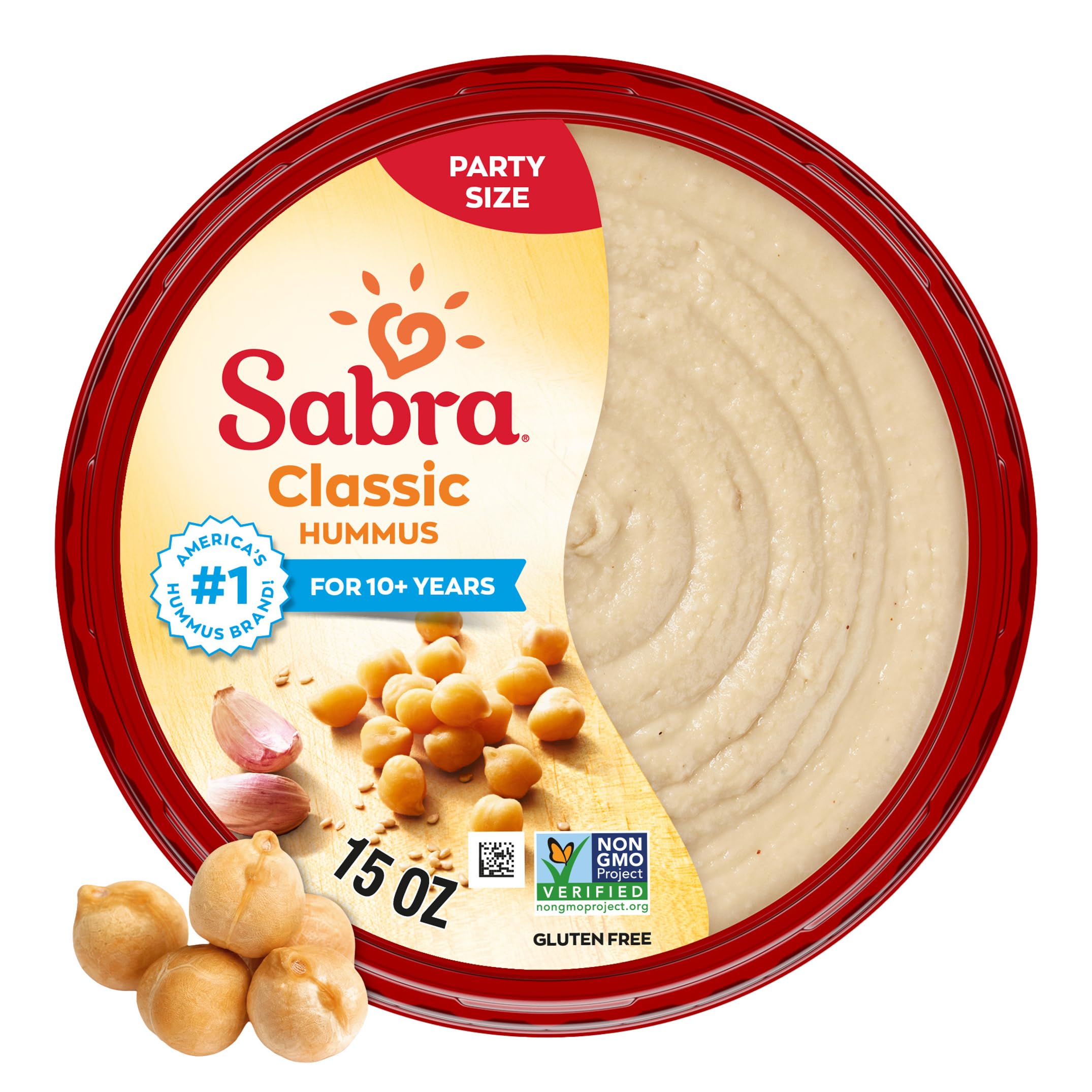
At a glance
Summary
This hummus contains beneficial ingredients like chickpeas, tahini, and extra virgin olive oil, which provide healthy fats and nutrients. However, the presence of canola oil, a highly processed seed oil, and sodium benzoate, a synthetic preservative, negatively impact its health profile. The product's processing level further limits its score, as it includes multiple additives and processed components.
Key ingredients 13
Extra virgin olive oilVery Good
High-quality monounsaturated fat with anti-inflammatory properties. Contains antioxidants that support heart health. Cold-pressed extraction preserves beneficial compounds.
Benefits
Rich in monounsaturated fats that support heart health and provide anti-inflammatory properties. Contains antioxidants like vitamin E and polyphenols that may reduce oxidative stress.
Cooked chickpeasGood
Chickpeas are a good source of plant-based protein and fiber, supporting digestive health. They are minimally processed when cooked with water. Chickpeas also provide essential nutrients like iron and folate.
Benefits
Rich in protein and fiber, chickpeas support satiety and digestive health. They also provide essential vitamins and minerals.
TahiniGood
Tahini, made from ground sesame seeds, is a source of healthy fats and minerals. It is minimally processed and retains nutrients like calcium and magnesium. Tahini also contains antioxidants that may support heart health.
Risks
Allergic reactions may occur in individuals with sesame allergies.
Benefits
Provides healthy fats and essential minerals, supporting bone health and cardiovascular function.
Dehydrated garlicGood
Dehydrated garlic retains many of the health benefits of fresh garlic, including antimicrobial properties. It is a concentrated source of flavor and nutrients. Garlic may support immune function and cardiovascular health.
Benefits
Contains compounds that may support immune health and reduce blood pressure.
Sea saltGood
Sea salt is a minimally processed source of sodium and trace minerals. It is often preferred for its natural mineral content. Sea salt can enhance flavor without excessive processing.
Risks
Excessive sodium intake can lead to hypertension and cardiovascular issues.
Benefits
Provides essential sodium and trace minerals, supporting electrolyte balance.
Dehydrated parsleyGood
Dehydrated parsley retains many of the nutrients found in fresh parsley, including vitamins A and C. It is a natural source of antioxidants. Parsley can enhance flavor and provide nutritional benefits.
Benefits
Provides vitamins and antioxidants, supporting overall health.
OreganoGood
Oregano is a herb rich in antioxidants and has antimicrobial properties. It is minimally processed and adds flavor and nutrients to foods. Oregano may support immune health and reduce inflammation.
Benefits
Rich in antioxidants and may support immune health.
ThymeGood
Thyme is a herb known for its antioxidant and antimicrobial properties. It is minimally processed and enhances flavor and nutrition. Thyme may support respiratory health and reduce inflammation.
Benefits
Contains antioxidants and may support respiratory health.
Lemon powderNeutral
Lemon powder provides flavor and some vitamin C content. It is made from dehydrated lemon juice and oil, often with maltodextrin as a carrier. The processing may reduce some nutritional benefits.
Benefits
Adds flavor and a small amount of vitamin C.
Citric acidNeutral
Citric acid is a natural preservative and flavor enhancer. It is commonly used to maintain freshness and acidity in foods. It is generally recognized as safe when used in food products.
Benefits
Helps preserve freshness and enhance flavor.
Sodium benzoateBad
Sodium benzoate is a synthetic preservative used to prevent spoilage. It can form benzene, a carcinogen, under certain conditions. Its use is limited in foods due to potential health concerns.
Risks
May form benzene, a carcinogen, when combined with ascorbic acid (vitamin C) under heat and light.
Potassium sorbateBad
Synthetic preservative — flagged in daily-use products.
Benefits
Helps extend shelf life by preventing spoilage.
Canola oilVery Bad
Canola oil is a seed oil high in omega-6 fatty acids, which may promote inflammation. It is often highly processed and refined. The extraction process can involve heat and chemicals, reducing nutritional quality.
Risks
High omega-6 content may promote inflammation when consumed in excess.
Processing
Processed Foods
Get the full breakdown in the Scout appTake Scout shopping
Scan any product to see lab results, healthy alternatives, and your personalized analysis.
Are you Private Selection? Fix an error Get the badge Get tested