



At a glance
Summary
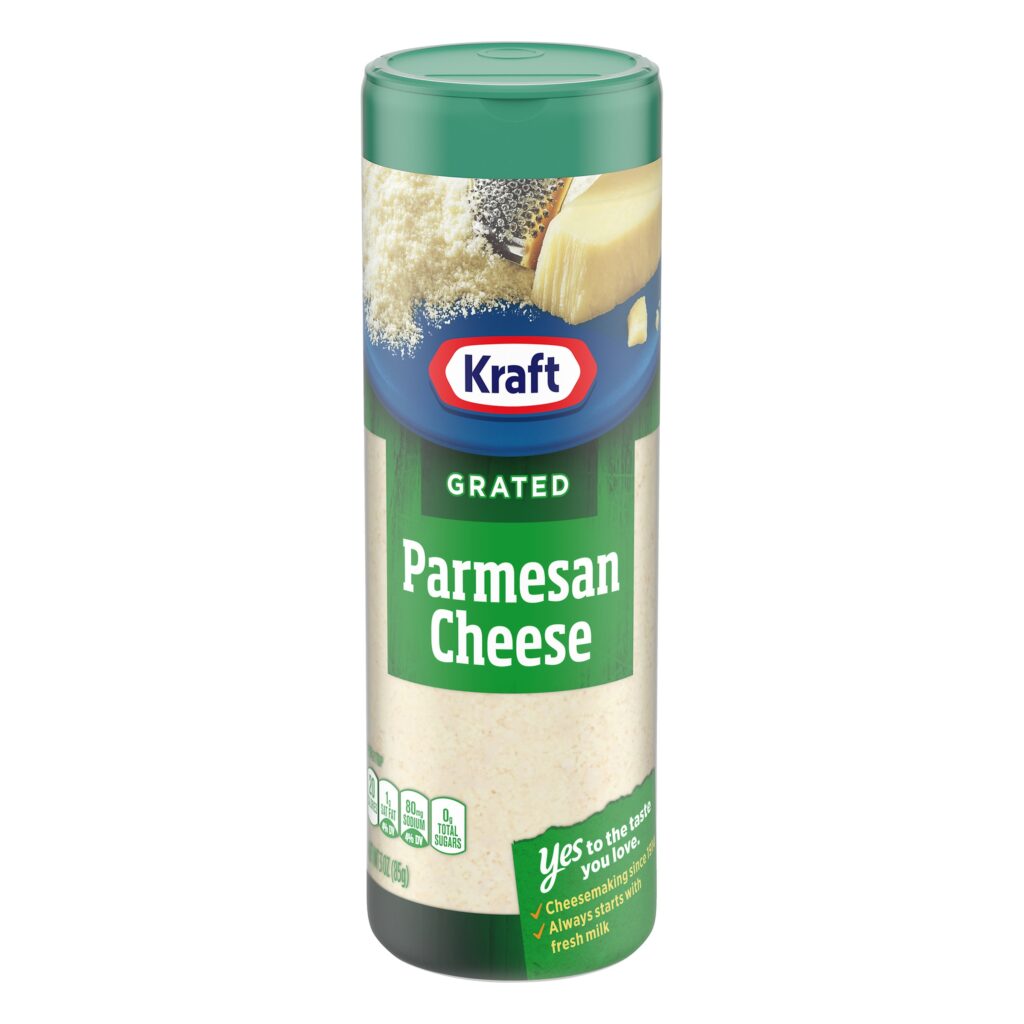
This Parmesan cheese is made from pasteurized organic milk and cheese cultures, providing a high-quality source of protein and calcium. However, the addition of powdered cellulose as an anti-caking agent indicates a level of processing that slightly detracts from its whole food quality. Despite this, the product remains a nutritious option with minimal additives.
Key ingredients 2
Parmesan cheeseGood
Parmesan cheese is a high-quality source of protein and calcium, beneficial for bone health. Made from pasteurized organic milk, it provides essential nutrients and is free from artificial additives. The fermentation process enhances its digestibility and flavor profile.
Risks
High sodium content may pose a risk for individuals with hypertension or those on a low-sodium diet.
Benefits
Rich in protein and calcium, supporting muscle and bone health. Contains beneficial probiotics from cheese cultures that may aid digestion.
Powdered celluloseBad
Powdered cellulose is used as an anti-caking agent, which is a processed additive. It is derived from plant fibers but offers no nutritional benefits. Its presence indicates a level of processing that may not align with whole food principles.
Risks
May cause digestive discomfort in sensitive individuals when consumed in large amounts.
Processing
Processed Foods
Get the full breakdown in the Scout appTake Scout shopping
Scan any product to see lab results, healthy alternatives, and your personalized analysis.
Download on theApp Store GET IT ONGoogle Play