
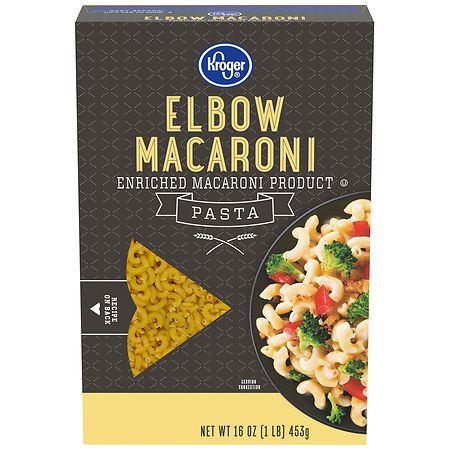


At a glance
Summary
This pasta is primarily made from semolina, which is a high-protein flour that retains essential nutrients like iron and B vitamins. The ingredient list is short and free from harmful additives, which is a positive aspect. However, as a processed food, its score is limited by its processing level, despite the clean ingredient profile.
Key ingredients 6
niacinGood
Beneficial ingredient — whole-food or functional value in this product class.
See more about niacin →riboflavinGood
Essential B vitamin — beneficial micronutrient.
See more about riboflavin →semolinaNeutral
Semolina is a common pasta base made from durum wheat, providing a good source of carbohydrates without strong positive or negative connotations.
See more about semolina →ferrous sulfateNeutral
Ferrous sulfate is an iron supplement used to fortify the pasta, helping prevent iron deficiency but not inherently beneficial or harmful in small amounts.
See more about ferrous sulfate →thiamine mononitrateNeutral
Thiamine mononitrate is added as a vitamin B1 supplement to support energy production, with no strong positive or negative implications.
See more about thiamine mononitrate →folic acidNeutral
Folic acid is added to support cell growth and development, serving as a nutritional fortification without strong positive or negative connotations.
See more about folic acid →Processing
Processed Foods
Get the full breakdown in the Scout appTake Scout shopping
Scan any product to see lab results, healthy alternatives, and your personalized analysis.
Download on theApp Store GET IT ONGoogle Play