


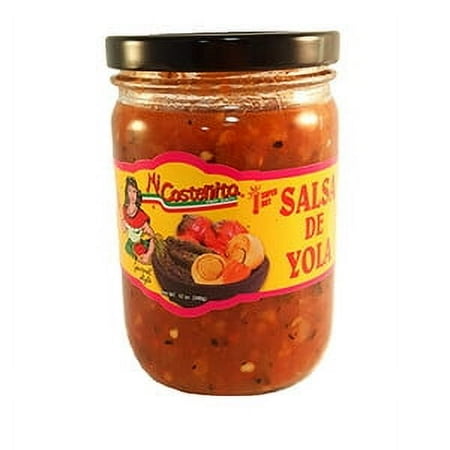
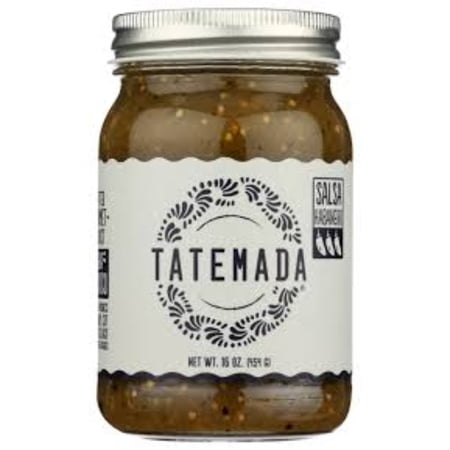

La Mexicana Hot Salsa
Analysis updated August 2026 · How Scout scores
At a glance
Summary
This salsa contains fresh vegetables and herbs, which are beneficial and minimally processed, contributing positively to its nutritional profile. However, the presence of synthetic preservatives like sodium metabisulfite, potassium sorbate, and sodium benzoate raises concerns due to potential health risks and contributes to its processed nature. The combination of these additives and the processing level limits the overall healthiness of the product.
Key ingredients 12
Fresh diced tomatoesVery Good
Tomatoes are rich in vitamins A and C and provide antioxidants like lycopene. They are minimally processed and retain most of their nutritional value. Fresh tomatoes contribute to heart health and may reduce cancer risk.
Benefits
Rich in antioxidants and vitamins that support overall health and may reduce inflammation.
Fresh chopped assorted peppersVery Good
Peppers are high in vitamin C and various antioxidants. They are fresh and minimally processed, preserving their nutritional benefits. Peppers can enhance immune function and reduce inflammation.
Benefits
High in vitamins and antioxidants that support immune health and reduce oxidative stress.
Fresh diced onionsGood
Onions provide beneficial compounds like quercetin and sulfur-containing antioxidants. They are fresh and retain their health-promoting properties. Onions may support heart health and have anti-inflammatory effects.
Benefits
Contains antioxidants that may support cardiovascular health and reduce inflammation.
Fresh chopped cilantroGood
Cilantro is a fresh herb rich in vitamins A, C, and K. It is minimally processed and adds flavor without calories. Cilantro may aid in detoxification and support digestive health.
Benefits
Rich in vitamins and may support detoxification and digestive health.
Crushed garlicGood
Garlic is known for its health benefits, including antimicrobial and cardiovascular support. It is fresh and retains its beneficial compounds. Garlic may help lower blood pressure and cholesterol levels.
Benefits
Contains compounds that support heart health and have antimicrobial properties.
Assorted spicesGood
Spices add flavor and can provide various health benefits depending on the type. They are minimally processed and can enhance the nutritional profile of foods. Spices may offer antioxidant and anti-inflammatory properties.
Benefits
May provide antioxidants and enhance flavor without adding calories.
Ascorbic acidGood
Vitamin C — beneficial even when serving as a preservative.
Benefits
Acts as an antioxidant and supports immune health.
SaltNeutral
Salt is used to enhance flavor but provides no significant nutritional benefits. It is a common seasoning in many foods. Excessive consumption can lead to health issues like hypertension.
Risks
High sodium intake can contribute to hypertension and cardiovascular disease.
Benefits
Enhances flavor but offers no significant nutritional benefits.
Citric acidNeutral
Citric acid is used as a preservative and flavor enhancer. It is naturally found in citrus fruits and is generally recognized as safe. It helps maintain freshness and acidity in foods.
Benefits
Helps preserve freshness and enhance flavor.
Sodium metabisulfiteBad
Sodium metabisulfite is a preservative that can cause allergic reactions in sensitive individuals. It is a synthetic additive used to prevent spoilage. Some people may experience respiratory issues or skin reactions.
Risks
May cause allergic reactions or respiratory issues in sensitive individuals.
Benefits
Helps prevent spoilage and extend shelf life.
Potassium sorbateBad
Potassium sorbate is a preservative used to inhibit mold and yeast growth. It is a synthetic additive that can cause skin irritation in some individuals. While generally recognized as safe, it is not beneficial nutritionally.
Risks
May cause skin irritation or allergic reactions in sensitive individuals.
Benefits
Prevents spoilage by inhibiting mold and yeast growth.
Sodium benzoateBad
Sodium benzoate is a preservative that can form benzene, a carcinogen, under certain conditions. It is used to prevent spoilage and extend shelf life. Some studies suggest potential health risks when combined with vitamin C.
Risks
May form benzene, a carcinogen, under certain conditions and pose health risks.
Benefits
Prevents spoilage and extends shelf life.
Processing
Processed Foods
Get the full breakdown in the Scout appTake Scout shopping
Scan any product to see lab results, healthy alternatives, and your personalized analysis.
Download on theApp Store GET IT ONGoogle PlayAmazon pricing & content
Amazon price as of . Product prices and availability are accurate as of the date/time indicated and are subject to change. Any price and availability information displayed on Amazon.com at the time of purchase will apply to the purchase of this product.
CERTAIN CONTENT THAT APPEARS ON THIS SITE COMES FROM AMAZON. THIS CONTENT IS PROVIDED “AS IS” AND IS SUBJECT TO CHANGE OR REMOVAL AT ANY TIME.