


At a glance
Summary
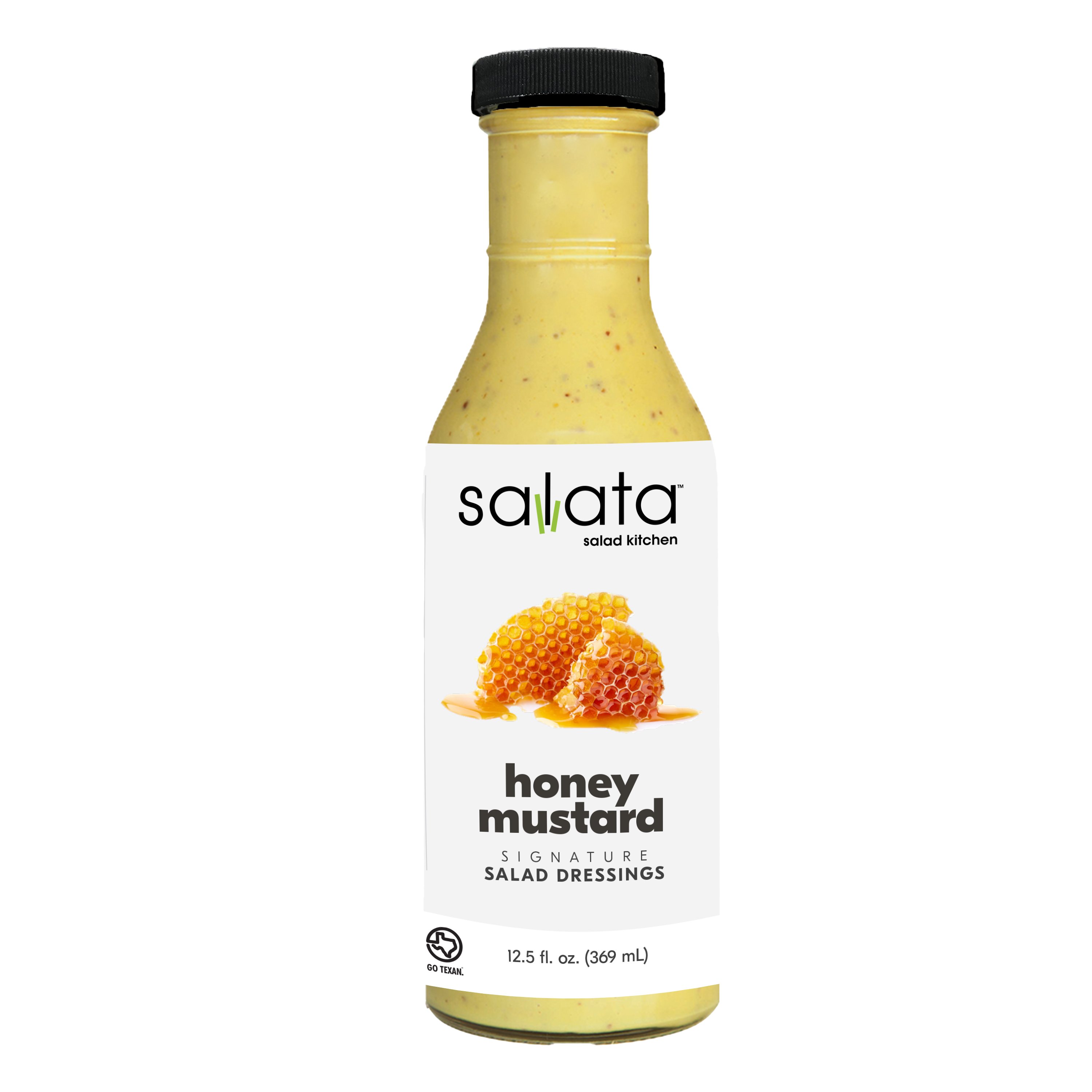
This honey mustard contains beneficial ingredients like mustard seed and turmeric, which offer antioxidants and anti-inflammatory properties. However, it also includes refined sugar and brown sugar, which are high in calories and lack essential nutrients, contributing to potential health risks. The product is moderately processed, which limits its health score despite having a relatively clean ingredient list.
Key ingredients 12
Mustard SeedGood
Mustard seeds are a source of beneficial phytonutrients and antioxidants. They are minimally processed and can contribute to flavor and potential health benefits. Their inclusion adds nutritional value through vitamins and minerals.
Benefits
Rich in antioxidants and may support digestive health.
HoneyGood
Traditional whole-food sweetener with trace enzymes and antioxidants.
Risks
High in sugars, which can contribute to weight gain if consumed in excess.
Benefits
Contains antioxidants and may have antimicrobial properties.
SpicesGood
Whole-food seasonings, antioxidant-bearing.
Benefits
May contain antioxidants and contribute to flavor complexity.
TurmericGood
Turmeric is a spice known for its anti-inflammatory and antioxidant properties. It contains curcumin, which has been studied for various health benefits. Its inclusion can enhance both flavor and nutritional value.
Benefits
May support joint health and reduce inflammation.
PaprikaGood
Beneficial ingredient — whole-food or functional value in this product class.
Benefits
May contain antioxidants and contribute to flavor complexity.
WaterNeutral
Water is a neutral ingredient that serves as a base in many food products. It does not contribute any nutritional value or health risks. Its primary role is to provide consistency and volume.
See more about Water →VinegarNeutral
Vinegar is a common condiment ingredient that adds acidity and flavor. It is typically made through fermentation, which can preserve some beneficial compounds. However, its nutritional impact is minimal.
Risks
Excessive consumption may lead to digestive discomfort.
Benefits
May have antimicrobial properties and can aid in flavor enhancement.
Cider VinegarNeutral
Cider vinegar is similar to regular vinegar but made from fermented apple juice. It adds flavor and acidity to foods. Its nutritional impact is minimal, though it may contain trace nutrients from apples.
Risks
Excessive consumption may lead to digestive discomfort.
Benefits
May have antimicrobial properties and can aid in flavor enhancement.
SaltNeutral
Salt is a common seasoning that enhances flavor but provides no essential nutrients beyond sodium. It is necessary for bodily functions but should be consumed in moderation. Excessive intake can lead to health issues.
Risks
High sodium intake can contribute to hypertension and cardiovascular issues.
Benefits
Essential for maintaining fluid balance and nerve function.
Citric AcidNeutral
Citric acid is a natural preservative and flavor enhancer found in citrus fruits. It is commonly used to add acidity and preserve freshness in foods. Its nutritional impact is negligible.
Risks
Excessive consumption may cause digestive discomfort.
SugarBad
Refined sugar is a high-calorie ingredient with no essential nutrients. It is associated with increased risk of obesity and metabolic disorders. Its presence in foods should be minimized for better health outcomes.
Risks
Excessive consumption can lead to weight gain, insulin resistance, and dental issues.
Brown SugarBad
Brown sugar is similar to refined sugar with added molasses for flavor. It is high in calories and offers no significant nutritional benefits. Its consumption should be limited to reduce health risks.
Risks
Excessive consumption can lead to weight gain, insulin resistance, and dental issues.
Processing
Processed Foods
Get the full breakdown in the Scout appTake Scout shopping
Scan any product to see lab results, healthy alternatives, and your personalized analysis.
Download on theApp Store GET IT ONGoogle Play