



At a glance
Summary
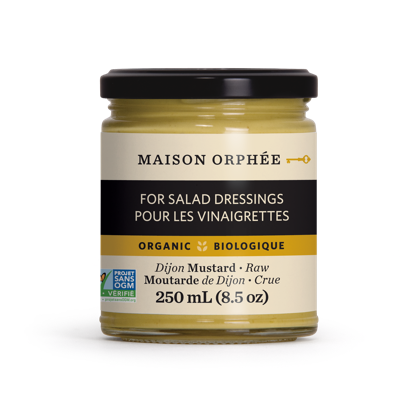
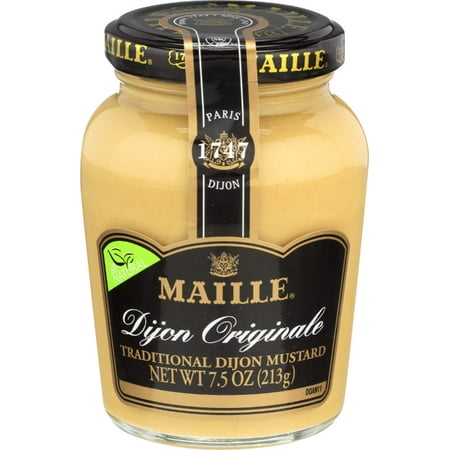
This Dijon mustard is a processed food but features a clean ingredient list with beneficial components like mustard seed, vinegar, and turmeric, which contribute to its nutritional value. The product contains minimal additives and avoids harmful ingredients such as seed oils or artificial preservatives, making it a healthier option within its category. The processing level limits its maximum score, but the quality of ingredients supports a strong rating.
Key ingredients 9
Mustard SeedGood
Mustard seeds are a good source of minerals and have potential anti-inflammatory properties. They contain compounds like glucosinolates, which may have health-promoting effects. The seeds are minimally processed, retaining their natural benefits.
Risks
May cause allergic reactions in sensitive individuals.
Benefits
Rich in minerals such as selenium and magnesium, and may support digestive health.
VinegarGood
Vinegar is known for its antimicrobial properties and potential to aid digestion. It is produced through fermentation, which can enhance its health benefits. Vinegar may also help in stabilizing blood sugar levels.
Risks
Excessive consumption may lead to enamel erosion or digestive discomfort.
Benefits
May support digestive health and help regulate blood sugar levels.
TurmericGood
Turmeric is known for its anti-inflammatory and antioxidant properties. It contains curcumin, which has been studied for various health benefits. The use of turmeric adds nutritional value to the product.
Risks
May cause stomach upset or interact with certain medications in large amounts.
Benefits
Contains curcumin, which may reduce inflammation and support overall health.
SpicesGood
Whole-food seasonings, antioxidant-bearing.
Risks
Potential for allergic reactions depending on the specific spices used.
Benefits
May provide minor antioxidant benefits depending on the spices included.
WaterNeutral
Water is a neutral ingredient used as a solvent and to adjust the consistency of the product. It does not contribute any nutritional value or health risks. Its presence is essential for the texture and mixing of other ingredients.
See more about Water →SaltNeutral
Salt is used to enhance flavor and preserve the product. It is a common ingredient in condiments but does not provide additional health benefits. The amount used in this product is minimal, reducing potential health concerns.
Risks
High sodium intake can lead to increased blood pressure and cardiovascular issues.
White WineNeutral
White wine is used for flavoring and adds complexity to the taste profile. It is typically used in small amounts, minimizing any potential health impacts. The alcohol content is negligible after processing.
Citric AcidNeutral
Citric acid is a natural preservative and flavor enhancer. It is commonly used in food processing to maintain freshness and acidity. It is generally recognized as safe when consumed in typical food amounts.
Risks
Excessive consumption may cause digestive discomfort.
Benefits
Helps preserve the product and maintain its flavor.
Tartaric AcidNeutral
Tartaric acid is used as an acidulant to enhance flavor and stability. It is naturally occurring in many plants and is safe for consumption in food products. Its role is primarily functional, with no significant health impact.
See more about Tartaric Acid →Processing
Processed Foods
Get the full breakdown in the Scout appTake Scout shopping
Scan any product to see lab results, healthy alternatives, and your personalized analysis.
Download on theApp Store GET IT ONGoogle Play