


At a glance
Summary
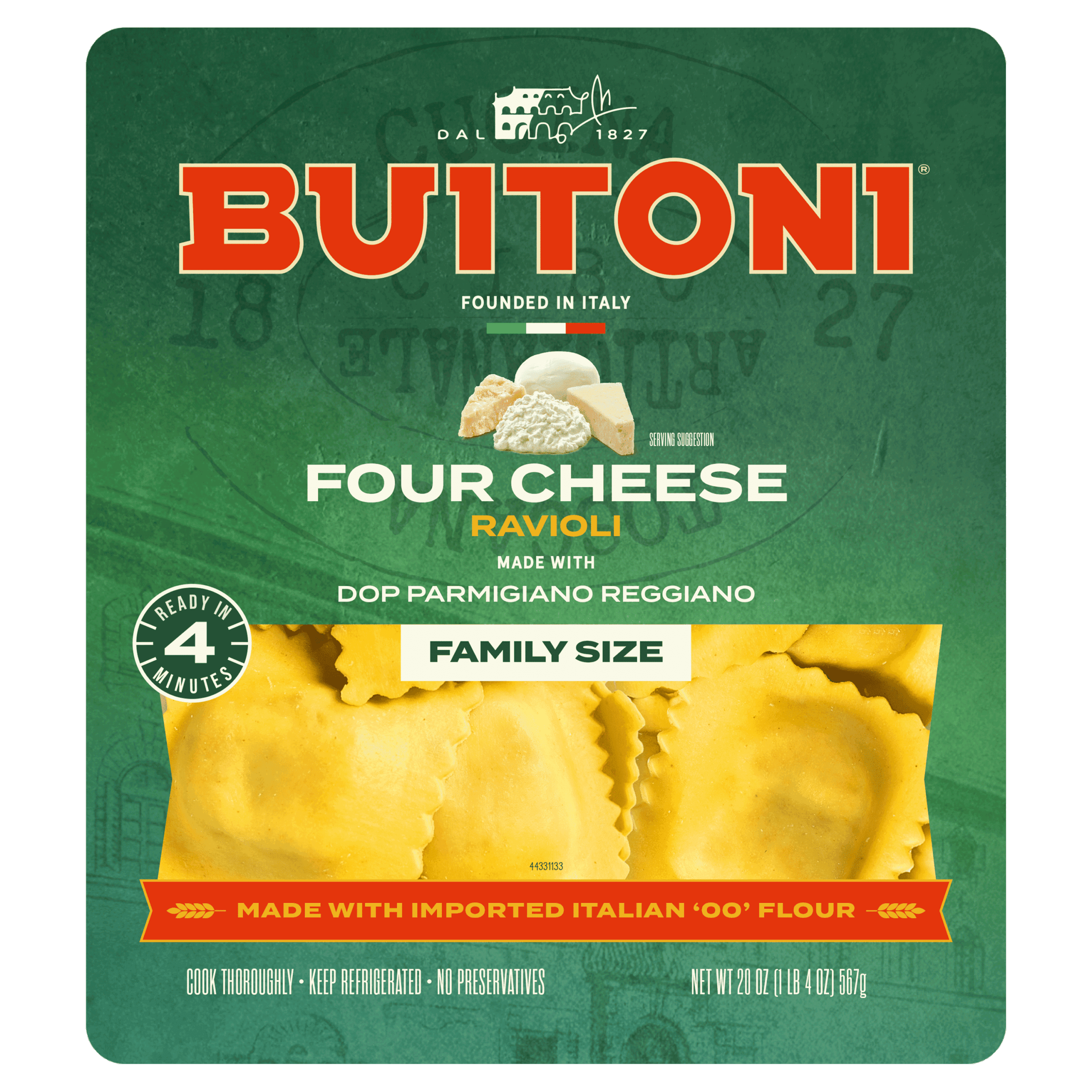
The product contains high-quality cheeses and durum wheat semolina, which are beneficial for protein and nutrient content. However, the presence of sunflower oil, a seed oil high in omega-6 fatty acids, and added sugar detracts from its healthiness. The product is processed, which limits its score due to the inclusion of refined ingredients and additives.
Key ingredients 15
Parmigiano ReggianoVery Good
Parmigiano Reggiano is a high-quality cheese known for its rich flavor and nutritional benefits. It is aged for a minimum of 12 months, enhancing its digestibility and nutrient availability. The traditional production process ensures a natural product free from additives.
Risks
Contains lactose, though in lower amounts due to aging, which may still affect sensitive individuals.
Benefits
Provides a rich source of protein, calcium, and phosphorus, with beneficial probiotics from the aging process.
EggsVery Good
Eggs are a high-quality source of protein and essential nutrients like choline and vitamin D. They provide a complete amino acid profile, supporting muscle growth and repair. Eggs are versatile and minimally processed, making them a nutritious addition to many dishes.
Risks
Allergies to eggs are common, and they should be avoided by those with egg allergies.
Benefits
Rich in high-quality protein and essential nutrients, supporting overall health and wellness.
Ricotta CheeseGood
Ricotta cheese is a good source of protein and calcium, beneficial for bone health. It is made from whey, a byproduct of cheese production, and is less processed than many other cheeses. The use of pasteurized milk ensures safety from harmful bacteria.
Risks
Contains lactose, which may cause digestive issues for lactose-intolerant individuals.
Benefits
Provides high-quality protein and essential nutrients like calcium and phosphorus, supporting bone health.
Low Moisture Mozzarella CheeseGood
Mozzarella cheese is a good source of protein and calcium, essential for muscle and bone health. It is made using traditional cheese cultures and enzymes, which are natural processing aids. The low moisture content extends shelf life without the need for preservatives.
Risks
Contains lactose, which may cause issues for those with lactose intolerance.
Benefits
Rich in protein and calcium, supporting muscle function and bone strength.
Asiago CheeseGood
Asiago cheese is a flavorful cheese that provides protein and calcium. It is made from part-skim milk, reducing fat content while maintaining nutritional value. The use of natural cheese cultures and enzymes supports a clean ingredient profile.
Risks
Contains lactose, which can be problematic for lactose-intolerant individuals.
Benefits
Offers a good source of protein and calcium, contributing to bone health and muscle maintenance.
SaltNeutral
Salt is used as a seasoning and preservative in food products. It enhances flavor but does not provide nutritional benefits. Excessive consumption can lead to health issues such as hypertension.
Risks
High sodium intake is associated with increased risk of hypertension and cardiovascular diseases.
BreadcrumbsNeutral
Breadcrumbs are used as a filler and texture enhancer in food products. They are made from enriched flour, which provides some vitamins and minerals. However, they are primarily a source of carbohydrates with minimal nutritional value.
Risks
Contains gluten, which can be problematic for individuals with celiac disease or gluten sensitivity.
Benefits
Provides some B vitamins and iron due to the enrichment of the flour.
Potato FlakesNeutral
Potato flakes are used as a thickening agent and filler in processed foods. They are made from dehydrated potatoes, retaining some of the original nutrients. However, they are primarily a source of carbohydrates with limited nutritional value.
Risks
May contribute to high carbohydrate intake, which can affect blood sugar levels.
Benefits
Provides some vitamins and minerals naturally found in potatoes, such as vitamin C and potassium.
Potato StarchNeutral
Potato starch is used as a thickener and stabilizer in food products. It is a refined carbohydrate with minimal nutritional value. It is gluten-free, making it suitable for those with gluten intolerance.
Risks
High intake of refined carbohydrates can lead to blood sugar spikes and weight gain.
Benefits
Provides a gluten-free alternative for thickening and stabilizing foods.
Dried Citrus PulpNeutral
Dried citrus pulp is used as a flavor enhancer and source of fiber in food products. It is made from the byproducts of citrus juice production, providing some vitamins and antioxidants. However, its nutritional contribution is minimal in small quantities.
Benefits
May provide small amounts of fiber and antioxidants from citrus fruits.
Durum Wheat SemolinaNeutral
Standard formulation ingredient — neither beneficial nor harmful at typical use.
Risks
Contains gluten, which can be problematic for those with gluten intolerance.
Benefits
Rich in protein and complex carbohydrates, supporting energy levels and muscle health.
Beta Carotene ColorNeutral
Beta carotene is a natural colorant derived from plants, used to enhance the visual appeal of foods. It is a precursor to vitamin A, which is important for vision and immune function. As a natural additive, it is generally considered safe and beneficial in small amounts.
Benefits
Provides a source of beta carotene, which can be converted to vitamin A in the body.
SugarBad
Sugar is a refined carbohydrate that provides energy but lacks essential nutrients. Excessive consumption is linked to obesity, diabetes, and other metabolic disorders. It is often added to enhance flavor but can contribute to unhealthy dietary patterns.
Risks
High sugar intake is associated with increased risk of obesity, type 2 diabetes, and dental cavities.
Wheat FlourBad
Refined grain flour stripped of bran and germ.
Risks
Contains gluten, which can cause issues for individuals with celiac disease or gluten sensitivity.
Benefits
Provides energy and some essential nutrients, especially if enriched.
Sunflower OilVery Bad
Sunflower oil is a seed oil high in omega-6 fatty acids, which can promote inflammation when consumed in excess. It is often extracted using high heat and chemicals, which can degrade its nutritional quality. The high omega-6 content can disrupt the balance of fatty acids in the diet.
Risks
High omega-6 content may promote inflammation and is linked to various chronic diseases when consumed excessively.
Processing
Processed Foods
Get the full breakdown in the Scout appTake Scout shopping
Scan any product to see lab results, healthy alternatives, and your personalized analysis.
Download on theApp Store GET IT ONGoogle PlayAmazon pricing & content
CERTAIN CONTENT THAT APPEARS ON THIS SITE COMES FROM AMAZON. THIS CONTENT IS PROVIDED “AS IS” AND IS SUBJECT TO CHANGE OR REMOVAL AT ANY TIME.