


At a glance
Summary
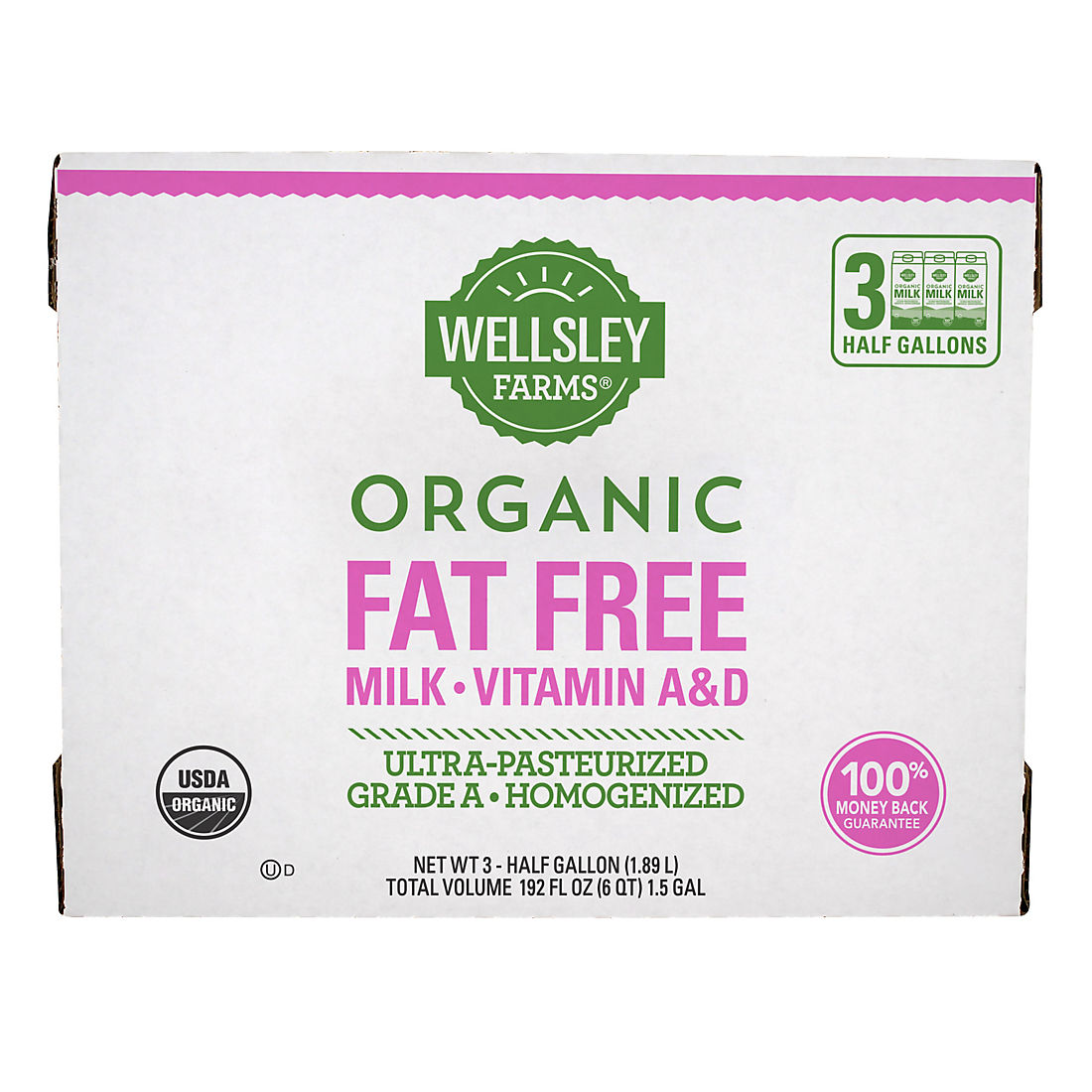
This milk product is processed, as indicated by its ultra-filtered and fortified nature. It contains beneficial ingredients like ultra-filtered skim milk and milk, which provide essential nutrients such as calcium and protein. However, the addition of lactase enzyme and vitamins A and D3, while enhancing nutritional value, also contributes to its processed status, limiting its score potential.
Key ingredients 5
Ultra-Filtered Skim MilkGood
Ultra-filtered skim milk is a processed form of milk that retains high protein content while reducing fat. The filtration process enhances the nutritional profile by concentrating proteins and removing lactose. It provides a good source of calcium and essential amino acids.
Benefits
Rich in protein and calcium, supporting bone health and muscle maintenance. Low in fat, making it suitable for low-fat diets.
MilkGood
Milk is a natural source of essential nutrients including calcium, vitamin D, and protein. It is minimally processed and provides a balanced nutritional profile. Regular consumption supports bone health and provides essential amino acids.
Risks
Potential lactose intolerance in some individuals may cause digestive discomfort.
Benefits
Excellent source of calcium and vitamin D, crucial for bone health. Provides high-quality protein necessary for muscle repair and growth.
Vitamin D3Good
Beneficial ingredient — whole-food or functional value in this product class.
Benefits
Essential for calcium absorption and bone health, helping to prevent deficiencies in populations with limited sun exposure.
Lactase EnzymeNeutral
Lactase enzyme is added to milk to break down lactose, making it easier to digest for lactose-intolerant individuals. It does not alter the nutritional content of milk but improves its digestibility. This enzyme is beneficial for those with lactose intolerance.
Benefits
Facilitates digestion of lactose, allowing lactose-intolerant individuals to consume milk without discomfort.
Vitamin A PalmitateNeutral
Vitamin A palmitate is a synthetic form of vitamin A added to fortify milk. It helps maintain vision, immune function, and skin health. While beneficial, it is a synthetic additive and does not occur naturally in milk.
Risks
Excessive intake of synthetic vitamin A can lead to toxicity, but this is unlikely at typical consumption levels.
Benefits
Supports vision and immune health, providing an essential nutrient that may be lacking in some diets.
Processing
Processed Foods
Get the full breakdown in the Scout appTake Scout shopping
Scan any product to see lab results, healthy alternatives, and your personalized analysis.
Download on theApp Store GET IT ONGoogle Play