
Fire Roasted Tomato Sauce
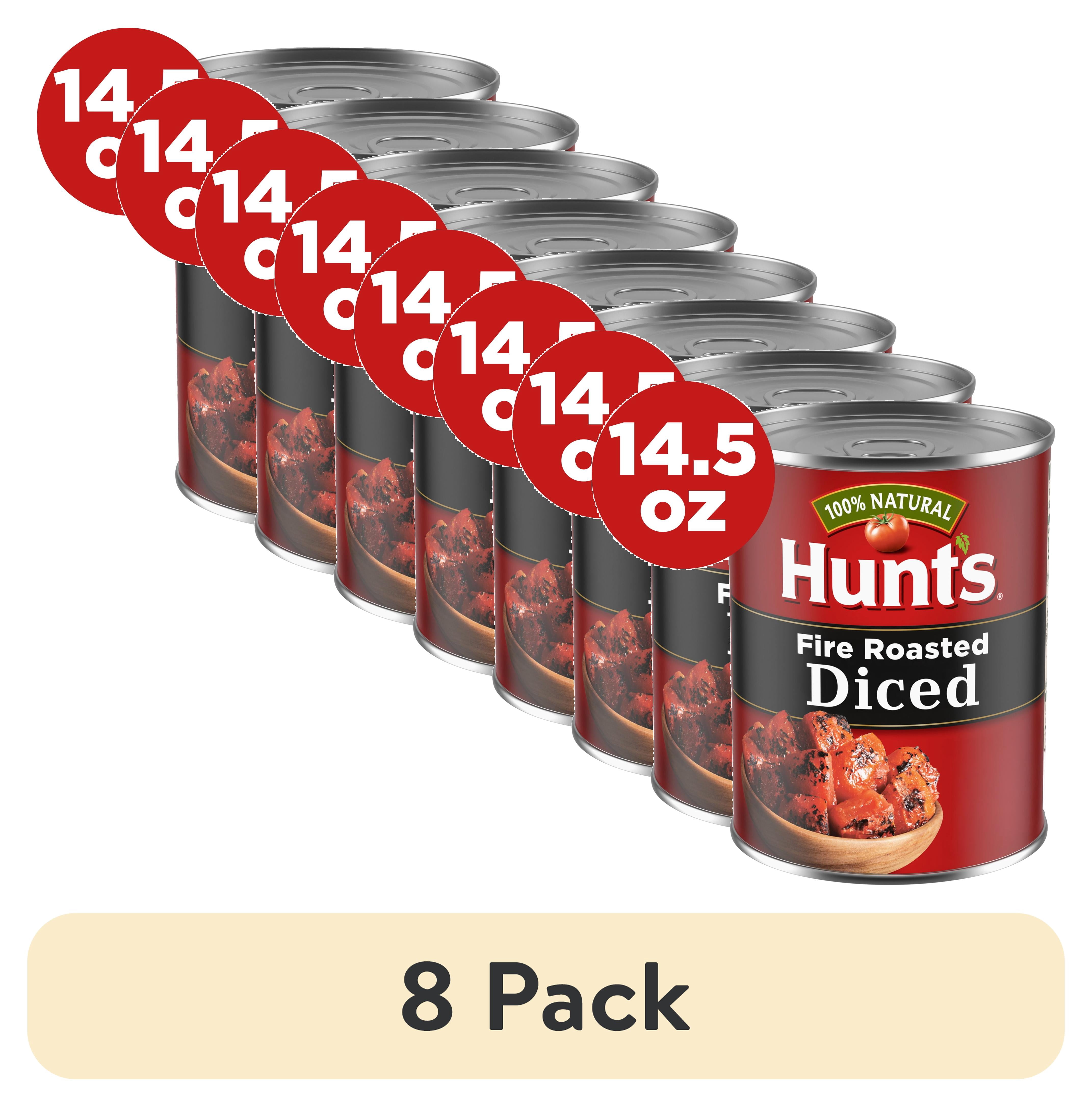
At a glance
Summary
This fire-roasted tomato sauce contains beneficial ingredients like tomato puree, onion powder, garlic powder, and red pepper, which provide flavor and nutrients with minimal processing. However, the presence of 'natural flavor' introduces a lack of transparency, which is a concern. The product is moderately processed, which limits its score despite the overall clean ingredient list.
Key ingredients 8
Tomato pureeGood
Tomato puree is a concentrated form of tomatoes, providing a rich source of vitamins and antioxidants. The fire-roasting process enhances flavor without significant nutrient loss. It is a minimally processed ingredient that retains the natural benefits of tomatoes.
Benefits
Rich in lycopene, an antioxidant that may reduce the risk of certain diseases. Provides vitamins A and C, supporting immune function and skin health.
Onion powderGood
Onion powder is a dehydrated form of onions, providing flavor and some nutritional benefits. It retains some of the antioxidants and vitamins found in fresh onions. It is a convenient way to add onion flavor without the need for fresh produce.
Benefits
Contains antioxidants that may support immune health and reduce inflammation.
Garlic powderGood
Garlic powder is made from dehydrated garlic, offering a concentrated source of flavor and nutrients. It retains some of the beneficial compounds found in fresh garlic. It is a convenient way to incorporate garlic into dishes without peeling or chopping.
Benefits
Contains allicin, which may have antimicrobial and cardiovascular benefits.
Red pepperGood
Red pepper adds spice and flavor to foods, along with some nutritional benefits. It contains capsaicin, which may have metabolic and anti-inflammatory effects. It is a natural ingredient with minimal processing.
Risks
May cause irritation or discomfort in individuals sensitive to spicy foods.
Benefits
Rich in vitamins A and C, supporting immune health and providing antioxidant benefits.
SaltNeutral
Salt is used as a seasoning and preservative in foods. It is a refined ingredient without the trace minerals found in unrefined salts. While necessary for flavor, excessive consumption can lead to health issues.
Risks
High sodium intake is associated with increased blood pressure and cardiovascular risk.
Benefits
Essential for maintaining fluid balance and nerve function in the body.
Citric acidNeutral
Citric acid is a natural preservative and flavor enhancer derived from citrus fruits. It is commonly used to maintain acidity and freshness in foods. As a widely used additive, it is generally recognized as safe.
Risks
Excessive consumption may cause gastrointestinal discomfort in sensitive individuals.
Benefits
Helps preserve the color and flavor of foods, extending shelf life.
Yeast extractBad
Concentrated glutamate source — MSG-adjacent flavor enhancer.
Risks
May cause reactions in individuals sensitive to glutamates.
Benefits
Enhances flavor without the need for additional salt or artificial additives.
Natural flavorBad
Natural flavor is a vague term that can encompass a wide range of flavoring agents. It lacks transparency, making it difficult to assess its health impact. The term can include both natural and synthetic components.
Risks
Potential allergens or sensitivities may be present without clear labeling.
Processing
Processed Foods
Get the full breakdown in the Scout appTake Scout shopping
Scan any product to see lab results, healthy alternatives, and your personalized analysis.
Are you Hunt's? Fix an error Get the badge Get tested


