
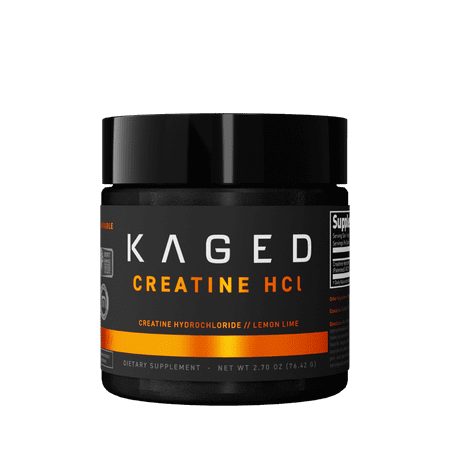


Kaged Creatine HCl Patented Creatine Hydrochloride
Analysis updated August 2026 · How Scout scores
At a glance
Summary
This creatine supplement features a high-quality active ingredient, creatine hydrochloride, which is known for its effectiveness in muscle strength and recovery. However, the presence of sucralose, an artificial sweetener, and sulfites, which can cause allergic reactions in sensitive individuals, detracts from its overall health profile. Additionally, the use of natural flavors, which lack transparency, further impacts the product's clean label appeal.
Key ingredients 7
Creatine HydrochlorideVery Good
Creatine Hydrochloride is a highly soluble form of creatine, known for its effectiveness in enhancing muscle strength and recovery. It is patented and considered a high-quality active ingredient in sports supplements. Compared to creatine monohydrate, it may cause less bloating and is absorbed more efficiently.
Benefits
Supports muscle strength, power, and recovery, making it beneficial for athletes and fitness enthusiasts.
Vegetable CelluloseNeutral
Vegetable cellulose is used as a capsule material and is generally considered safe and inert. It is derived from plant sources and does not contribute any nutritional value. It serves as a non-animal-based alternative to gelatin capsules.
Benefits
Provides a plant-based capsule option for those avoiding animal products.
SteviaNeutral
Stevia is a natural, zero-calorie sweetener derived from the leaves of the Stevia plant. It is considered safe and does not significantly impact blood sugar levels. It is often used as a sugar substitute in various food products.
Benefits
Provides sweetness without calories, making it suitable for those managing calorie intake.
SilicaNeutral
Silica is used as an anti-caking agent to prevent clumping in powdered products. It is generally recognized as safe and does not contribute any nutritional value. It is a common additive in many food and supplement products.
Benefits
Helps maintain product consistency by preventing clumping.
Natural FlavorsBad
Natural flavors are a catch-all term for flavoring agents derived from natural sources but can be highly processed. The lack of transparency in their composition can be concerning for consumers seeking clean labels. They may contain additives or solvents used in the extraction process.
Risks
Potential for undisclosed additives or allergens, and lack of transparency in ingredient sourcing.
SucraloseBad
Sucralose is an artificial sweetener that is much sweeter than sugar and used to reduce calorie content. It is chemically processed and may affect gut health negatively. Some studies suggest potential metabolic effects, although more research is needed.
Risks
May impact gut microbiota and has potential metabolic effects.
Benefits
Provides sweetness without calories, which can be beneficial for weight management.
SulfitesBad
Sulfites are preservatives used to prevent spoilage and discoloration in foods. They can cause allergic reactions in sensitive individuals, particularly those with asthma. The presence of sulfites in supplements is generally unnecessary and may pose health risks.
Risks
Can cause allergic reactions, especially in individuals with asthma.
Processing
Processed Foods
Get the full breakdown in the Scout appTake Scout shopping
Scan any product to see lab results, healthy alternatives, and your personalized analysis.
Download on theApp Store GET IT ONGoogle PlayAmazon pricing & content
Amazon price as of . Product prices and availability are accurate as of the date/time indicated and are subject to change. Any price and availability information displayed on Amazon.com at the time of purchase will apply to the purchase of this product.
CERTAIN CONTENT THAT APPEARS ON THIS SITE COMES FROM AMAZON. THIS CONTENT IS PROVIDED “AS IS” AND IS SUBJECT TO CHANGE OR REMOVAL AT ANY TIME.