


At a glance
Summary
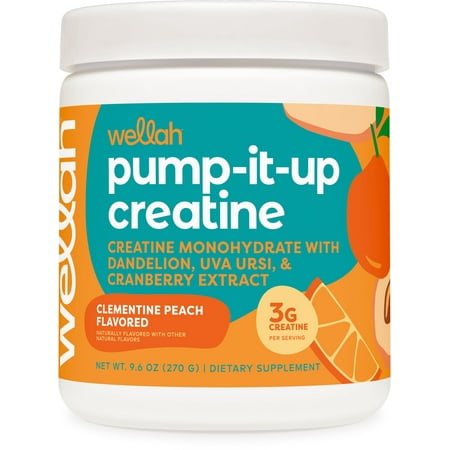
This creatine supplement contains beneficial creatine monohydrate, known for its effectiveness in enhancing muscle performance. However, the presence of sugar and natural flavors introduces some concerns, as sugar can contribute to excess calorie intake and natural flavors lack transparency. The product is moderately processed, which affects its overall score compared to purer formulations.
Key ingredients 10
Creatine MonohydrateVery Good
Creatine monohydrate is a highly effective supplement for increasing muscle mass, strength, and exercise performance. It is the most researched form of creatine and is known for its purity and effectiveness. It is well-tolerated and has a strong safety profile when used appropriately.
Benefits
Supports muscle growth, enhances strength, and improves recovery after intense exercise.
Reverse Osmosis WaterVery Good
Reverse-osmosis purified — the filtration tier that removes fluoride, PFAS, nitrates and heavy metals rather than just chlorine taste.
Benefits
Provides hydration and is free from impurities.
AlluloseNeutral
Standard formulation ingredient — neither beneficial nor harmful at typical use.
Risks
Excessive consumption may cause digestive discomfort in some individuals.
Benefits
Offers a sugar-like taste with minimal impact on blood sugar levels.
PectinNeutral
Pectin is a natural gelling agent derived from fruits, commonly used as a thickener in food products. It is a source of dietary fiber and can aid in digestion. It is generally considered safe and beneficial for gut health.
Benefits
May support digestive health due to its fiber content.
Natural ColorNeutral
Natural colors are derived from plant or mineral sources and are used to enhance the appearance of food products. They are generally considered safer than artificial colors. However, they do not provide nutritional benefits.
Benefits
Improves visual appeal without synthetic additives.
Citric AcidNeutral
Citric acid is a natural preservative and flavor enhancer found in citrus fruits. It is widely used in food and beverages for its sour taste and preservative qualities. It is generally recognized as safe and has minimal health concerns.
Risks
Excessive consumption may cause dental erosion.
Benefits
Acts as a preservative and enhances flavor.
Malic AcidNeutral
Malic acid is a naturally occurring acid found in fruits, used to enhance flavor and acidity in food products. It is considered safe and is often used to improve the taste profile of supplements. It has no significant nutritional value.
Benefits
Enhances flavor and acidity in food products.
Tapioca SyrupBad
Processed additive flagged under Scout's ingredient doctrine.
Risks
Excessive consumption may contribute to increased blood sugar levels and caloric intake.
Benefits
Provides a source of energy through carbohydrates.
SugarBad
Sugar is a simple carbohydrate that can contribute to increased calorie intake and potential weight gain. It is associated with various health issues when consumed in excess, such as obesity and dental cavities. It provides quick energy but lacks essential nutrients.
Risks
High consumption can lead to obesity, insulin resistance, and dental problems.
Benefits
Provides a quick source of energy but should be consumed in moderation.
Natural FlavorBad
Natural flavors are additives used to enhance taste, but their exact composition is often undisclosed, leading to potential concerns about transparency. They can contain a variety of compounds, some of which may not be beneficial. The lack of disclosure can be problematic for those with allergies or sensitivities.
Risks
Potential allergen risk due to undisclosed ingredients.
Benefits
Enhances the taste of products without adding calories.
Processing
Processed Foods
Get the full breakdown in the Scout appTake Scout shopping
Scan any product to see lab results, healthy alternatives, and your personalized analysis.
Download on theApp Store GET IT ONGoogle PlayAmazon pricing & content
Amazon price as of . Product prices and availability are accurate as of the date/time indicated and are subject to change. Any price and availability information displayed on Amazon.com at the time of purchase will apply to the purchase of this product.
CERTAIN CONTENT THAT APPEARS ON THIS SITE COMES FROM AMAZON. THIS CONTENT IS PROVIDED “AS IS” AND IS SUBJECT TO CHANGE OR REMOVAL AT ANY TIME.