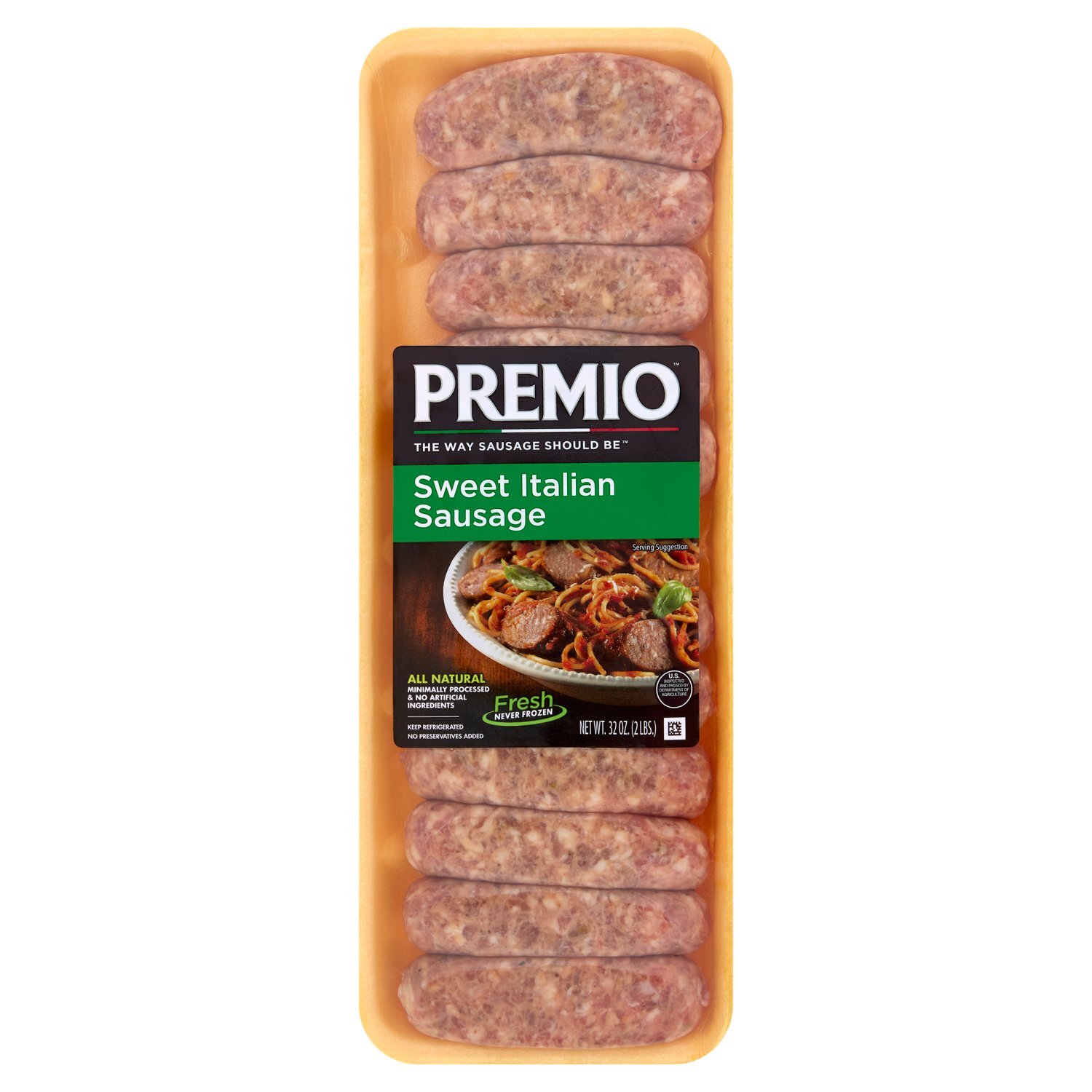
Sweet Italian Sausage
At a glance
Summary
This sweet Italian sausage is a processed food with a relatively clean ingredient list, featuring pork as the primary component, which is a high-quality protein source. However, the presence of sugar and natural flavors, which can be highly processed and lack transparency, slightly detracts from its overall healthiness. The product's processing level limits its maximum potential score, despite the beneficial inclusion of spices and paprika.
Key ingredients 8
PorkGood
Pork is a high-quality source of protein and essential nutrients. It provides a rich amino acid profile and is a good source of vitamins and minerals like B12 and zinc. When sourced from well-raised animals, it can be a nutritious component of a balanced diet.
Risks
Potential risks include high saturated fat content and the possibility of contamination if not cooked properly.
Benefits
Rich in protein and essential nutrients, supporting muscle growth and overall health.
SpicesGood
Spices like fennel and black pepper add flavor and may offer health benefits due to their antioxidant properties. They can enhance the taste profile without adding calories. Spices are generally considered beneficial when used in moderation.
Benefits
May provide antioxidants and enhance flavor without adding calories.
PaprikaGood
Paprika is a spice that adds color and flavor, and it contains beneficial antioxidants like vitamin A. It is minimally processed and can contribute to the overall nutritional profile of the dish. Its vibrant color and flavor enhance culinary appeal.
Benefits
Rich in antioxidants and adds flavor and color to dishes.
WaterNeutral
Water is used as a processing aid and does not contribute nutritional value. It helps in maintaining moisture and texture in the sausage. It is a neutral ingredient with no health impact.
See more about Water →SaltNeutral
Salt is used for flavor enhancement and preservation. It is a necessary nutrient but should be consumed in moderation to avoid health issues like hypertension. In processed foods, it often contributes to high sodium levels.
Risks
High sodium intake can lead to increased blood pressure and cardiovascular issues.
Benefits
Essential for maintaining fluid balance and nerve function.
Potassium SaltNeutral
Potassium salt is used as a salt substitute to reduce sodium content. It can help maintain electrolyte balance and support heart health. However, excessive intake may pose risks for individuals with kidney issues.
Risks
Excessive intake can lead to hyperkalemia, especially in individuals with kidney problems.
Benefits
Helps reduce sodium intake and supports electrolyte balance.
SugarBad
Sugar is a refined carbohydrate that can contribute to increased calorie intake without providing essential nutrients. It is often used to enhance flavor but can lead to health issues like obesity and diabetes when consumed in excess. Its presence in processed foods is generally discouraged.
Risks
Excessive consumption can lead to weight gain, insulin resistance, and dental issues.
Natural FlavorsBad
Natural flavors are often used to enhance taste but lack transparency in their composition. They can include a variety of substances, some of which may be highly processed. The lack of disclosure makes it difficult to assess their health impact.
Risks
Potential for hidden allergens and highly processed components.
Processing
Processed Foods
Get the full breakdown in the Scout appTake Scout shopping
Scan any product to see lab results, healthy alternatives, and your personalized analysis.
Are you Premio? Fix an error Get the badge Get tested