
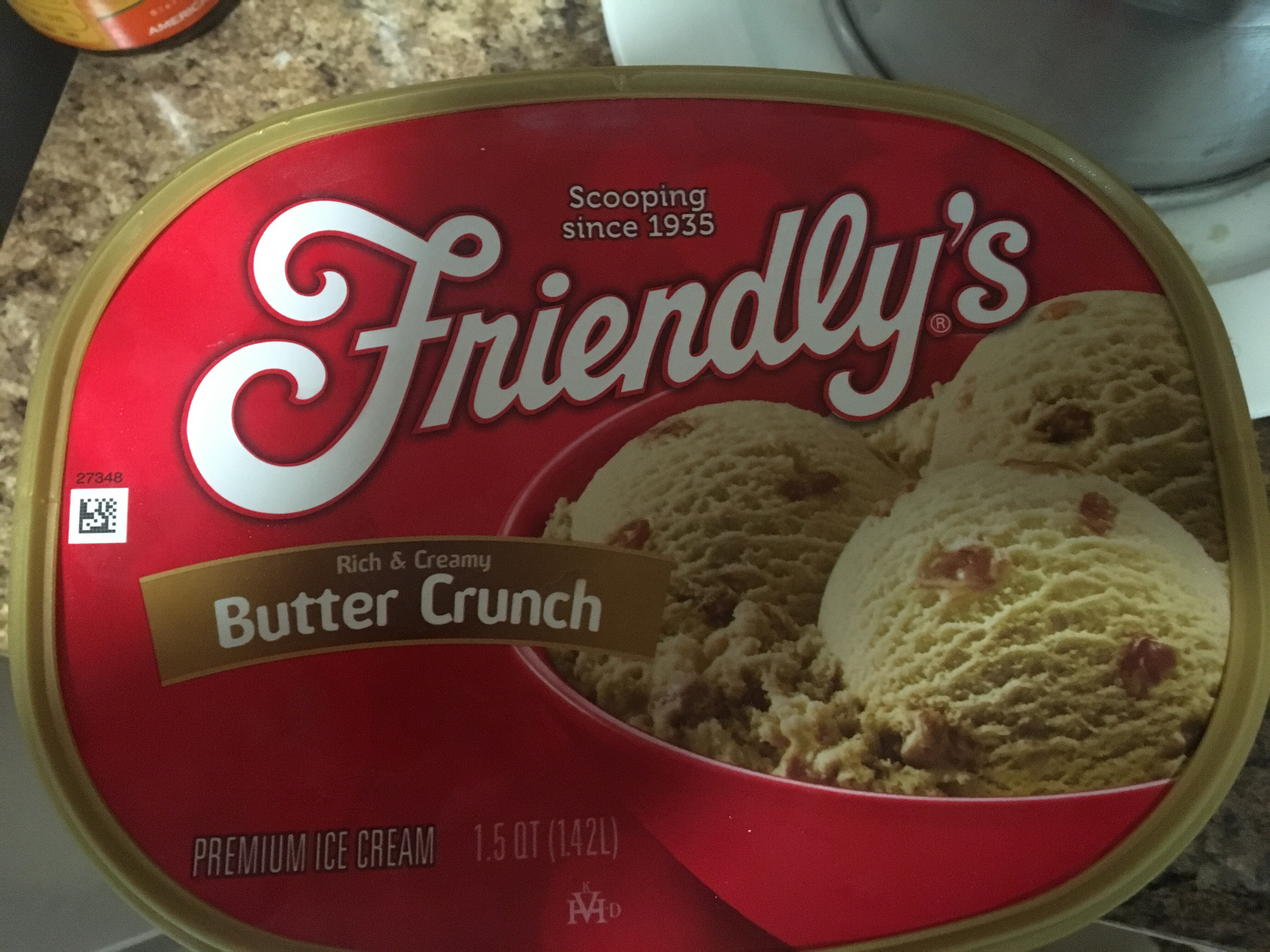


Friendly's Premium Ice Cream
Analysis updated May 2026 · How Scout scores
At a glance
Summary
This premium ice cream is heavily processed, containing multiple additives such as guar gum, xanthan gum, and carrageenan, which are used to enhance texture and stability. The product also includes high levels of added sugars and corn syrup, contributing to its ultra-processed nature. While it contains beneficial ingredients like milk and cream, the presence of processed sweeteners and additives significantly impacts its healthiness.
Key ingredients 11
MilkGood
Milk is a natural source of calcium and protein, essential for bone health and muscle maintenance. It is minimally processed and provides a range of vitamins and minerals. Grass-fed or organic milk would be preferable for higher omega-3 content.
Risks
Potential lactose intolerance or milk allergy in some individuals.
Benefits
Rich in calcium and vitamin D, supporting bone health and providing high-quality protein.
CreamGood
Cream is a source of healthy fats and fat-soluble vitamins like A and D. It is less processed compared to many other fat sources. Organic or grass-fed cream would offer additional nutritional benefits.
Risks
High in saturated fats, which may impact heart health if consumed in excess.
Benefits
Provides fat-soluble vitamins and enhances the flavor and texture of foods.
Skim MilkNeutral
Skim milk is low in fat and provides protein and calcium. It is a processed form of milk with reduced fat content. Suitable for those seeking lower calorie options.
Risks
May lack the fat-soluble vitamins present in whole milk.
Benefits
Offers protein and calcium with reduced fat content.
Guar GumNeutral
Guar gum is a thickening agent derived from guar beans. It is used to improve texture and stability in foods. Generally considered safe, but excessive consumption may cause digestive issues.
Risks
May cause digestive discomfort in sensitive individuals.
Benefits
Improves texture and consistency of food products.
Xanthan GumNeutral
Xanthan gum is a polysaccharide used as a thickener and stabilizer. It is produced through fermentation of sugars by Xanthomonas campestris. Generally safe, but may cause digestive issues in large amounts.
Risks
Excessive intake may lead to digestive discomfort.
Benefits
Enhances texture and stability of food products.
SugarBad
Refined sugar is a high-calorie ingredient with no essential nutrients. It is associated with increased risk of obesity and metabolic disorders. Excessive consumption can lead to dental issues and insulin resistance.
Risks
High intake can lead to weight gain, diabetes, and dental problems.
Corn SyrupBad
Corn syrup is a processed sweetener with high fructose content. It is linked to obesity and metabolic syndrome when consumed in large amounts. Often used as a cheaper alternative to sugar, it lacks nutritional value.
Risks
May contribute to obesity and insulin resistance.
Soy LecithinBad
Refined emulsifier lecithin (doctrine: 'bad', distinct from seed oils).
Risks
Potential allergen for individuals with soy allergies.
Benefits
Helps improve texture and shelf-life of products.
Natural FlavorBad
Natural flavors are complex mixtures created by flavorists to enhance taste. They are highly processed and can contain numerous chemicals. Lack of transparency in ingredient sourcing and processing is a concern.
Risks
May contain undisclosed allergens or additives.
CarrageenanBad
Carrageenan is a seaweed-derived thickener and stabilizer. It is controversial due to potential inflammatory effects in the digestive tract. Some studies suggest it may cause gastrointestinal issues.
Risks
May cause inflammation and digestive issues in sensitive individuals.
Disodium PhosphateBad
Disodium phosphate is an additive used to control acidity and improve texture. It is a processed ingredient with no nutritional value. Excessive intake may affect kidney function and calcium balance.
Risks
High intake may impact kidney health and calcium balance.
Processing
Ultra-Processed Foods
Get the full breakdown in the Scout appTake Scout shopping
Scan any product to see lab results, healthy alternatives, and your personalized analysis.
Download on theApp Store GET IT ONGoogle PlayAmazon pricing & content
Amazon price as of . Product prices and availability are accurate as of the date/time indicated and are subject to change. Any price and availability information displayed on Amazon.com at the time of purchase will apply to the purchase of this product.
CERTAIN CONTENT THAT APPEARS ON THIS SITE COMES FROM AMAZON. THIS CONTENT IS PROVIDED “AS IS” AND IS SUBJECT TO CHANGE OR REMOVAL AT ANY TIME.