


At a glance
Summary
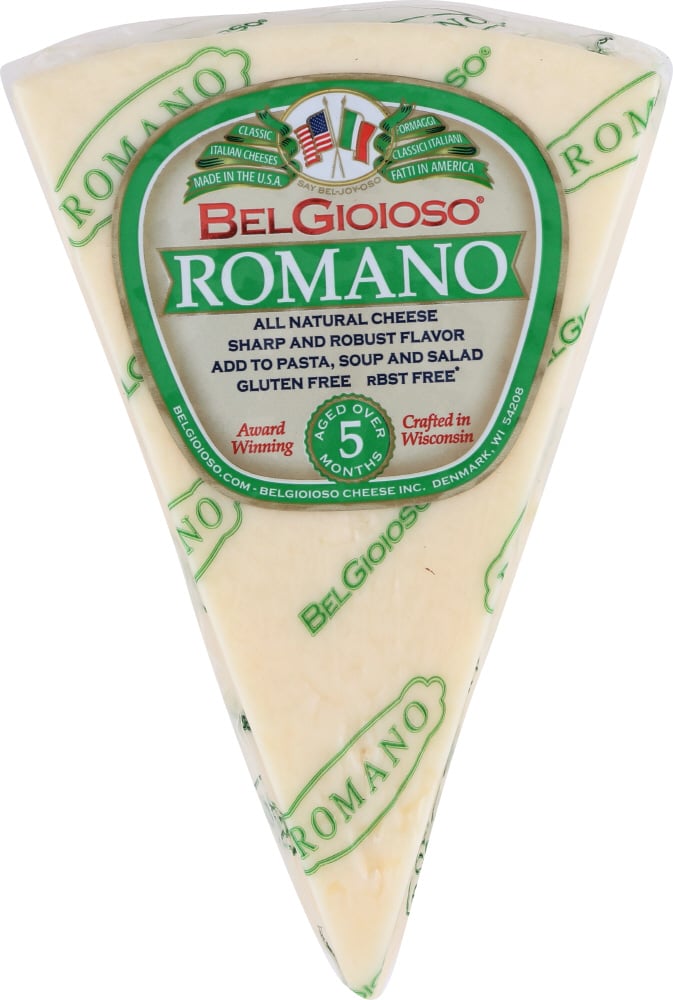
This Romano cheese is made from cultured milk, enzymes, and salt, which are traditional ingredients for cheese production. Despite being classified as processed, it maintains a clean label with no artificial additives or seed oils, allowing it to score well within its category. The simplicity and quality of its ingredients contribute positively to its rating.
Key ingredients 3
Cultured milkNeutral
Cultured milk is the primary ingredient in cheese, providing essential proteins and fats. It undergoes fermentation, which can enhance digestibility and flavor. The quality of the milk can vary based on the source and treatment of the cows.
Risks
Potential risks include lactose intolerance or milk allergies in sensitive individuals.
Benefits
Provides a good source of protein and calcium, essential for bone health.
EnzymesNeutral
Enzymes are used in cheese production to coagulate milk, forming curds. They are essential for the cheese-making process but do not contribute significant nutritional value. The type of enzyme can vary, including animal or microbial sources.
Benefits
Facilitates the cheese-making process, allowing for the production of various cheese textures and flavors.
SaltNeutral
Salt is used in cheese for flavor and as a preservative. It helps control moisture and bacterial growth during aging. The amount of salt can affect the overall sodium content of the cheese.
Risks
Excessive consumption of salt can contribute to high blood pressure and cardiovascular issues.
Benefits
Enhances flavor and acts as a natural preservative in cheese.
Processing
Processed Foods
Get the full breakdown in the Scout appTake Scout shopping
Scan any product to see lab results, healthy alternatives, and your personalized analysis.
Download on theApp Store GET IT ONGoogle Play