
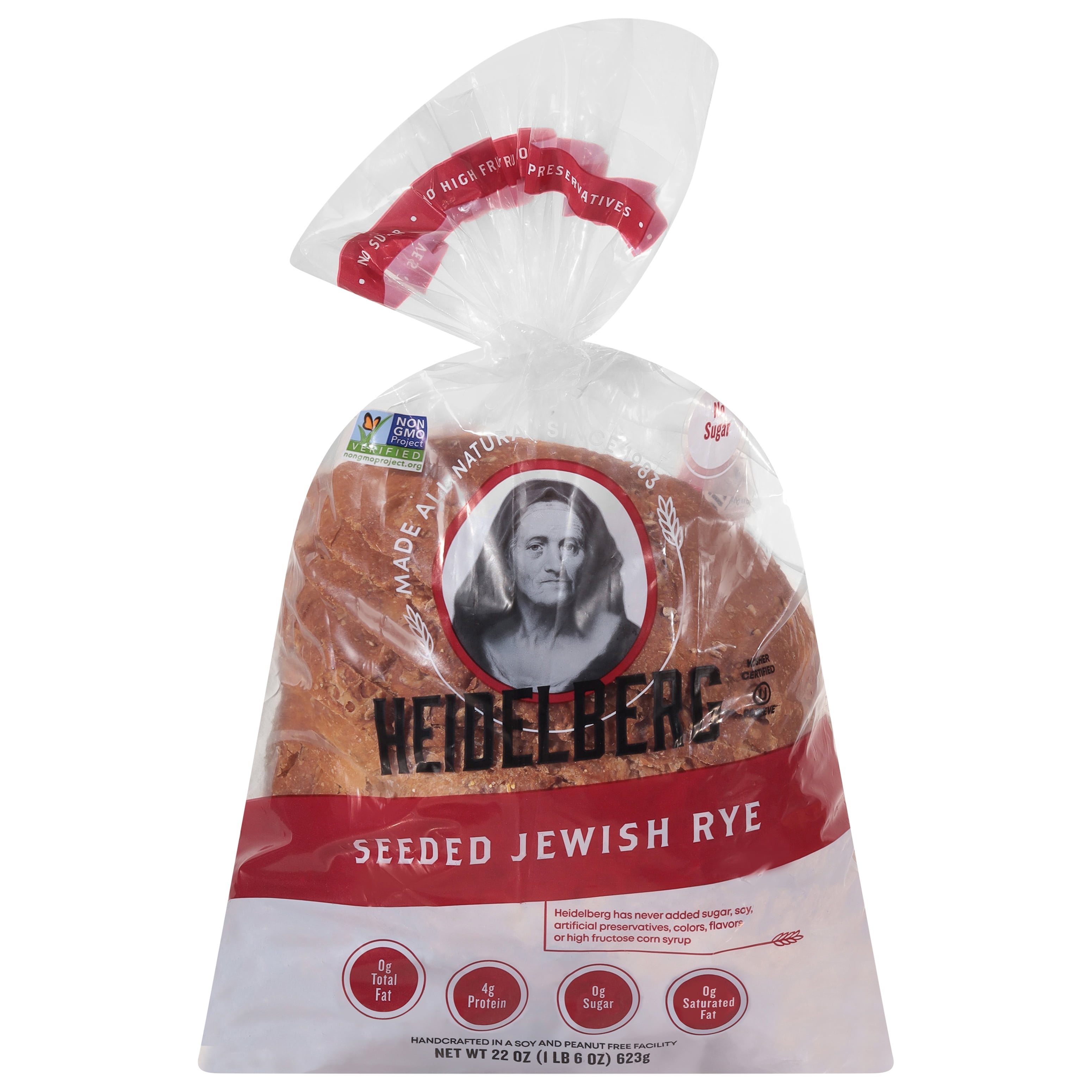


At a glance
Summary
This bread is made with a relatively simple ingredient list, featuring wheat flour, malted barley flour, and rye chops, which contribute to its nutritional profile. The presence of rye chops adds fiber and nutrients, while malted barley flour enhances flavor and texture. However, as a processed food, it cannot achieve the highest scores, and the use of refined wheat flour limits its overall health benefits compared to whole grain options.
Key ingredients 7
Malted barley flourGood
Malted barley flour is used to enhance flavor and improve the texture of baked goods. It contains enzymes that help break down starches into sugars, aiding in fermentation. This ingredient can improve the nutritional profile by adding some vitamins and minerals.
Benefits
Adds flavor and nutritional value, including vitamins and minerals, to baked products.
Rye chopsGood
Rye chops are coarsely ground rye grains that add texture and flavor to bread. They are less processed than refined flours, retaining more fiber and nutrients. Rye is known for its potential to improve digestive health and provide a unique flavor profile.
Risks
May cause allergic reactions in individuals with gluten intolerance or celiac disease.
Benefits
Rich in fiber and nutrients, supporting digestive health and adding a distinctive flavor to bread.
WaterNeutral
Water is a fundamental ingredient in bread making, essential for hydrating flour and activating yeast. It plays a crucial role in the dough's consistency and texture. As a basic component, it does not contribute additional nutrients.
Benefits
Essential for dough formation and yeast activation, though it does not provide nutritional benefits.
Caraway seedsNeutral
Caraway seeds are used primarily for their aromatic flavor in bread products. They contain essential oils that contribute to their distinctive taste. While they add flavor, their nutritional impact is minimal due to the small quantities used.
Benefits
Enhances flavor with aromatic oils, though it provides minimal nutritional benefits.
SaltNeutral
Salt is used in bread to enhance flavor and control yeast activity. It is a common ingredient in baking, though excessive consumption can lead to health issues. In this context, it is used in moderation to balance flavor and dough consistency.
Risks
Excessive intake can contribute to high blood pressure and cardiovascular issues.
Benefits
Enhances flavor and regulates yeast activity in bread making.
YeastNeutral
Yeast is a crucial ingredient in bread making, responsible for fermentation and leavening. It helps the dough rise and contributes to the bread's texture and flavor. As a natural leavening agent, it is essential for traditional bread production.
Benefits
Facilitates fermentation and leavening, essential for bread texture and flavor.
Wheat flourBad
Refined grain flour stripped of bran and germ.
Risks
May cause allergic reactions in individuals with gluten intolerance or celiac disease.
Benefits
Provides carbohydrates for energy, though it lacks significant nutritional benefits compared to whole grain options.
Processing
Processed Foods
Get the full breakdown in the Scout appTake Scout shopping
Scan any product to see lab results, healthy alternatives, and your personalized analysis.
Download on theApp Store GET IT ONGoogle Play