


At a glance
Summary
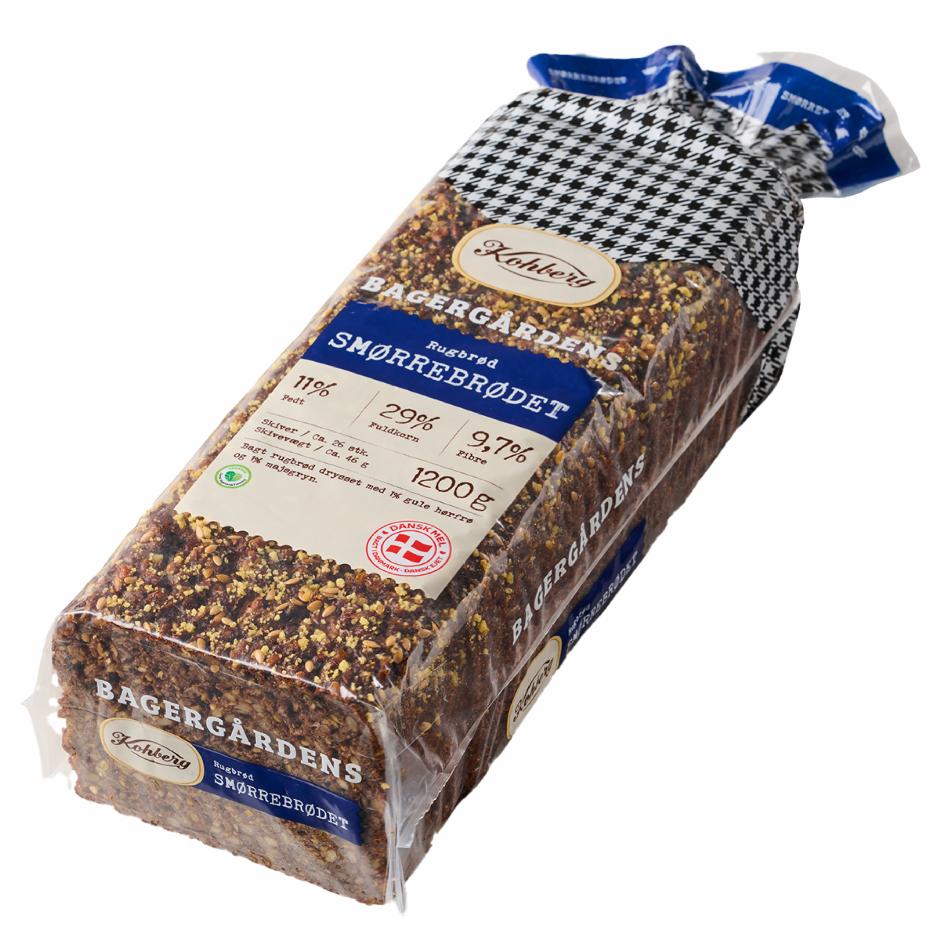
This bread contains several beneficial ingredients such as sourdough, sunflower seeds, rye kernels, and yellow flax seeds, which contribute to its nutritional value by providing fiber, healthy fats, and essential nutrients. However, the presence of sugar syrup, a refined sweetener, and the overall processing level limit its score. Despite these concerns, the bread maintains a relatively clean ingredient list with minimal additives, which supports a moderate rating.
Key ingredients 15
SourdoughGood
Sourdough is a fermented dough that can improve digestibility and nutrient absorption. The fermentation process can enhance the bioavailability of minerals. It may also contribute to a lower glycemic index compared to regular bread.
Benefits
May improve gut health due to the presence of beneficial bacteria from fermentation.
Sunflower seedsGood
Sunflower seeds are a good source of healthy fats, protein, and fiber. They contain vitamin E and other antioxidants that support heart health. They are minimally processed and provide essential nutrients.
Risks
Potential allergen for some individuals.
Benefits
Rich in healthy fats and antioxidants that support cardiovascular health.
Rye kernelsGood
Rye kernels are whole grains that provide fiber and essential nutrients. They can support digestive health and help maintain stable blood sugar levels. Whole grains are associated with reduced risk of chronic diseases.
Risks
Potential allergen for individuals sensitive to gluten.
Benefits
High in fiber, which supports digestive health and may aid in weight management.
Yellow flax seedsGood
Yellow flax seeds are rich in omega-3 fatty acids and fiber. They support heart health and have anti-inflammatory properties. Flax seeds are a good source of lignans, which may have cancer-protective effects.
Risks
Potential allergen for some individuals.
Benefits
Rich in omega-3 fatty acids and fiber, supporting heart health and digestion.
WaterNeutral
Water is a neutral ingredient used as a base in many food products. It does not contribute any calories or nutrients. It is essential for hydration but does not provide specific health benefits in this context.
See more about Water →Rye flourNeutral
Rye flour is a common ingredient in bread, providing a distinct flavor and texture. It contains some nutrients and fiber but is less nutrient-dense than whole grains. It is a staple in many traditional bread recipes.
Risks
Potential allergen for individuals sensitive to gluten.
Benefits
Provides a unique flavor and texture to bread products.
Wheat kernelsNeutral
Wheat kernels are whole grains that provide fiber and nutrients. They are a staple in many diets but can be problematic for those with gluten intolerance. Whole wheat is generally more nutritious than refined wheat products.
Risks
Potential allergen for individuals sensitive to gluten.
Benefits
Provides fiber and essential nutrients, supporting overall health.
Popped rye kernelsNeutral
Popped rye kernels add texture and flavor to bread. They are a source of fiber and nutrients but are not as nutrient-dense as whole grains. They are minimally processed and retain some nutritional value.
Risks
Potential allergen for individuals sensitive to gluten.
Benefits
Adds texture and provides some fiber and nutrients.
Rye fiberNeutral
Rye fiber is added to increase the fiber content of the bread. It supports digestive health but does not provide significant additional nutrients. It is a functional ingredient to enhance dietary fiber intake.
Benefits
Supports digestive health by increasing fiber intake.
Salt with iodineNeutral
Salt with iodine is used to enhance flavor and provide essential iodine. Iodine is important for thyroid function, but excessive salt intake can lead to health issues. It is a common additive in processed foods.
Risks
Excessive salt intake can contribute to hypertension and cardiovascular issues.
Benefits
Provides essential iodine, supporting thyroid health.
Barley malt extractNeutral
Barley malt extract is used as a natural sweetener and flavor enhancer. It is less processed than refined sugars but still contributes to sugar intake. It provides a distinct malt flavor to baked goods.
Risks
Contains sugars that can contribute to calorie intake.
Benefits
Adds flavor and some nutrients compared to refined sugars.
Caramelized sugar syrupNeutral
Caramelized sugar syrup is used for flavor and color in baked goods. It is a processed ingredient that adds sweetness and a rich color. It does not provide significant nutritional benefits.
Risks
High sugar content may contribute to health issues if consumed in excess.
Benefits
Adds flavor and color to food products.
Corn gritsNeutral
Corn grits are a processed form of corn used for texture and flavor. They provide some carbohydrates and energy but are not nutrient-dense. They are commonly used in various food products for their texture.
Benefits
Provides carbohydrates and energy.
Fermented wheat flourNeutral
Fermented wheat flour is used to improve flavor and digestibility. The fermentation process can enhance nutrient absorption. It is a traditional method used in bread making.
Risks
Potential allergen for individuals sensitive to gluten.
Benefits
May improve digestibility and nutrient absorption.
Sugar syrupBad
Sugar syrup is a refined sweetener that can contribute to increased calorie intake and blood sugar spikes. It is processed and lacks nutritional benefits. Excessive consumption can lead to health issues such as obesity and diabetes.
Risks
High sugar content may contribute to obesity and metabolic disorders.
Processing
Processed Foods
Get the full breakdown in the Scout appTake Scout shopping
Scan any product to see lab results, healthy alternatives, and your personalized analysis.
Download on theApp Store GET IT ONGoogle Play