


At a glance
Summary
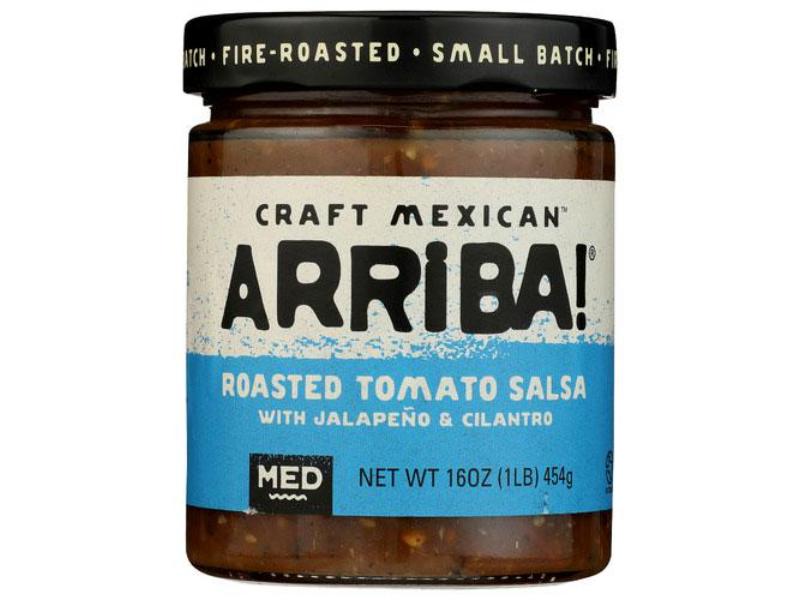
This salsa contains mostly whole food ingredients like tomatoes, jalapeno peppers, and cilantro, which are rich in vitamins and antioxidants. However, it is classified as ultra-processed due to the presence of paprika extract as an additive, which contributes to its processing level. Despite its low calorie and sugar content, the processing level limits its health score.
Key ingredients 12
TomatoesGood
Tomatoes are a rich source of vitamins A and C and contain the antioxidant lycopene. They are typically consumed fresh or minimally processed, retaining most of their nutritional benefits. Lycopene has been linked to reduced risk of heart disease and cancer.
Benefits
Rich in antioxidants and vitamins that support overall health and may reduce the risk of chronic diseases.
Jalapeno peppersGood
Jalapeno peppers are a good source of vitamin C and capsaicin, which may have anti-inflammatory properties. They are typically consumed fresh or pickled, preserving their nutritional content. Capsaicin is known for its potential to boost metabolism and reduce pain.
Risks
May cause digestive discomfort in sensitive individuals.
Benefits
Contains capsaicin, which may aid in pain relief and metabolism boosting.
CilantroGood
Cilantro is an herb rich in antioxidants and essential vitamins such as vitamin K. It is often used fresh, which helps retain its nutritional properties. Cilantro may help in detoxifying heavy metals from the body.
Benefits
Provides antioxidants and may support detoxification processes in the body.
GarlicGood
Whole food with well-documented cardiovascular and immune benefits.
Risks
May cause digestive issues or bad breath in some individuals.
Benefits
Contains compounds that may support immune function and cardiovascular health.
SpicesGood
Whole-food seasonings, antioxidant-bearing.
Benefits
Adds flavor and may provide minor antioxidant benefits.
OnionsNeutral
Onions are a common vegetable that provide flavor and contain antioxidants like quercetin. They are typically consumed fresh or cooked, which can affect their nutrient content. While beneficial, they are not particularly nutrient-dense compared to other vegetables.
Risks
May cause digestive discomfort in some individuals.
Benefits
Contains antioxidants that may support heart health and reduce inflammation.
VinegarNeutral
Vinegar is used as a preservative and flavor enhancer, with potential benefits for blood sugar control. It is typically produced through fermentation, which retains its acetic acid content. While it has some health benefits, it is not a significant source of nutrients.
Risks
Excessive consumption may lead to digestive discomfort or enamel erosion.
Benefits
May help in regulating blood sugar levels and acts as a natural preservative.
CarrotsNeutral
Carrots are a source of beta-carotene, which the body converts to vitamin A. They are typically consumed raw or cooked, which can affect their nutrient availability. While nutritious, their contribution in small amounts is limited.
Benefits
Provides beta-carotene, which supports vision and immune function.
SaltNeutral
Salt is used for flavor and preservation, providing essential sodium for bodily functions. It is typically refined, lacking trace minerals found in unrefined salts. While necessary, excessive intake can lead to health issues.
Risks
High sodium intake can contribute to hypertension and cardiovascular disease.
Benefits
Essential for maintaining fluid balance and nerve function.
Paprika extractNeutral
Paprika extract is used for color and flavor, containing antioxidants like carotenoids. It is derived from peppers, retaining some beneficial compounds. Its impact is primarily aesthetic and flavor-based rather than nutritional.
Benefits
Provides color and flavor, with some antioxidant properties.
Sesame oilNeutral
Sesame oil is a source of healthy fats and antioxidants like sesamol. It is often used in small amounts for flavor, which limits its nutritional impact. While beneficial, its contribution in small quantities is minimal.
Risks
May cause allergic reactions in sensitive individuals.
Benefits
Contains healthy fats and antioxidants that may support heart health.
En:e160cBad
En:e160c is paprika extract used as a coloring agent, which is generally considered safe. However, as an additive, it contributes to the product's ultra-processed classification. Its presence indicates a level of processing that may not be ideal for health.
Risks
May contribute to the perception of the product as ultra-processed.
Benefits
Provides natural coloring without significant health benefits.
Processing
Ultra-Processed Foods
Get the full breakdown in the Scout appTake Scout shopping
Scan any product to see lab results, healthy alternatives, and your personalized analysis.
Download on theApp Store GET IT ONGoogle Play