


At a glance
Summary
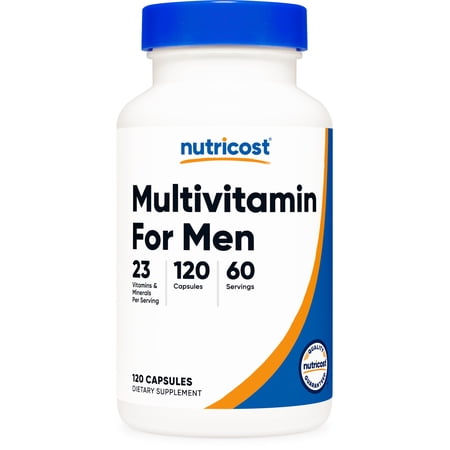
This multivitamin contains a wide range of essential vitamins and minerals in bioavailable forms, which are beneficial for overall health. However, the presence of titanium dioxide and magnesium stearate, which are linked to potential health concerns, slightly detracts from its overall quality. Additionally, the product includes a significant number of additives, which impacts its processing level and overall score.
Key ingredients 12
Vitamin CVery Good
Vitamin C is a powerful antioxidant that supports immune function and skin health. It is essential for collagen synthesis and helps protect cells from oxidative stress. High-quality sources like L-ascorbic acid are well-absorbed and effective.
Benefits
Supports immune function, enhances iron absorption, and promotes healthy skin.
Vitamin EVery Good
Vitamin E is a fat-soluble antioxidant that protects cell membranes from oxidative damage. It supports skin health and immune function. The succinate form is stable and well-utilized by the body.
Risks
Excessive intake may interfere with blood clotting.
Benefits
Protects cells from oxidative stress and supports skin and immune health.
RiboflavinGood
Riboflavin (Vitamin B2) is essential for energy production and cellular function. It plays a key role in the metabolism of fats, drugs, and steroids. High doses are generally safe but may cause harmless yellow discoloration of urine.
Benefits
Supports energy production and cellular function.
Vitamin B6Good
Vitamin B6 is crucial for amino acid metabolism and neurotransmitter synthesis. It supports brain health and reduces inflammation. Pyridoxine hydrochloride is a common and effective form.
Risks
High doses over time can lead to nerve damage.
Benefits
Supports brain health and reduces inflammation.
ThiamineGood
Thiamine (Vitamin B1) is vital for carbohydrate metabolism and nerve function. It helps convert nutrients into energy. The mononitrate form is stable and well-absorbed.
Benefits
Supports energy metabolism and nerve function.
NiacinGood
Niacin (Vitamin B3) is important for DNA repair and energy production. It supports skin health and reduces cholesterol levels. Nicotinamide is a non-flushing form that is well-tolerated.
Risks
High doses can cause flushing and liver damage.
Benefits
Supports skin health and reduces cholesterol levels.
CalciumGood
Calcium is essential for bone health and muscle function. It supports nerve transmission and vascular contraction. The combination of carbonate and bisglycinate forms enhances absorption.
Risks
Excessive intake can lead to kidney stones and impaired absorption of other minerals.
Benefits
Supports bone health and muscle function.
MagnesiumGood
Magnesium is crucial for muscle and nerve function, blood glucose control, and bone health. It is involved in over 300 enzymatic reactions. The oxide and bisglycinate forms provide a balance of absorption and bioavailability.
Risks
High doses can cause diarrhea and abdominal cramping.
Benefits
Supports muscle and nerve function, and bone health.
ZincGood
Zinc is essential for immune function, wound healing, and DNA synthesis. It supports growth and development during pregnancy, childhood, and adolescence. The oxide and bisglycinate forms are well-absorbed.
Risks
Excessive intake can interfere with copper absorption and cause nausea.
Benefits
Supports immune function and wound healing.
Vitamin D2Good
Vitamin D2 supports bone health by aiding calcium absorption. It plays a role in immune function and inflammation reduction. Ergocalciferol is a plant-derived form suitable for vegetarians.
Risks
Excessive intake can lead to hypercalcemia and kidney damage.
Benefits
Supports bone health and immune function.
Magnesium StearateNeutral
Standard formulation ingredient — neither beneficial nor harmful at typical use.
Risks
May inhibit nutrient absorption and suppress immune function.
Titanium DioxideVery Bad
Titanium dioxide is used as a whitening agent in supplements. It has been linked to potential health concerns, including inflammation and cellular damage. Its safety as a food additive is under scrutiny.
Risks
Potential risks include inflammation and cellular damage.
Processing
Ultra-Processed Foods
Get the full breakdown in the Scout appTake Scout shopping
Scan any product to see lab results, healthy alternatives, and your personalized analysis.
Download on theApp Store GET IT ONGoogle Play