
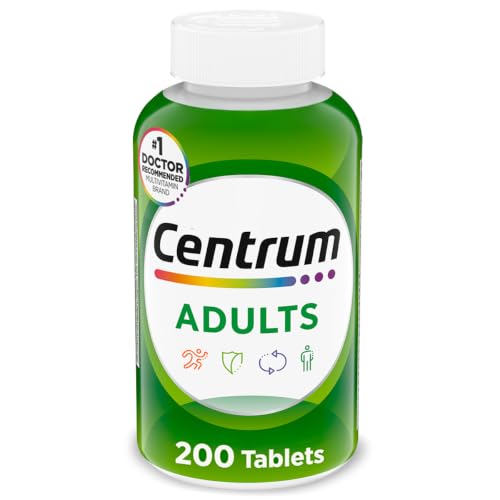

Centrum Adult Multivitamin Tablets, 100 Ct
Analysis updated August 2026 · How Scout scores
At a glance
Summary
This multivitamin contains a range of essential vitamins and minerals that support various bodily functions, such as immune health and energy metabolism. However, the presence of artificial dyes like Dye Opadry Orange and FD&C Yellow No.6, which are associated with potential health concerns, detracts from its overall quality. While the formulation includes beneficial nutrients, the use of artificial colors and some less bioavailable forms of minerals slightly lowers its rating.
Key ingredients 34
RetinolGood
Retinol is a form of Vitamin A essential for vision and immune function. It is a high-quality active ingredient in supplements. Retinol is well-absorbed and supports skin health.
Risks
Excessive intake can lead to toxicity, causing liver damage and other health issues.
Benefits
Supports vision, immune function, and skin health.
Beta-caroteneGood
Beta-carotene is a precursor to Vitamin A and acts as an antioxidant. It is beneficial for eye health and immune support. It is converted to Vitamin A in the body as needed, reducing toxicity risk.
Risks
High doses may increase the risk of lung cancer in smokers.
Benefits
Provides antioxidant benefits and supports eye health.
Vitamin EGood
Vitamin E is an antioxidant that protects cells from damage. It is a beneficial ingredient in maintaining skin and eye health. It also supports immune function.
Risks
High doses can interfere with blood clotting and increase the risk of bleeding.
Benefits
Protects cells from oxidative damage and supports immune health.
Vitamin CGood
Vitamin C is a powerful antioxidant that supports the immune system and skin health. It is essential for collagen synthesis and wound healing. It enhances iron absorption from plant-based foods.
Risks
High doses can cause gastrointestinal disturbances like diarrhea.
Benefits
Boosts immune function and enhances iron absorption.
Vitamin B1Good
Vitamin B1, or thiamine, is essential for energy metabolism and nerve function. It is a key nutrient in converting carbohydrates into energy. It supports proper heart and nerve function.
Benefits
Supports energy metabolism and nerve function.
Vitamin B2Good
Vitamin B2, or riboflavin, is important for energy production and cellular function. It helps convert food into energy and supports skin and eye health. It also acts as an antioxidant.
Benefits
Supports energy production and acts as an antioxidant.
NiacinamideGood
Niacinamide is a form of Vitamin B3 that supports skin health and energy metabolism. It helps reduce inflammation and improve skin barrier function. It is also involved in DNA repair.
Risks
High doses can cause liver damage and gastrointestinal issues.
Benefits
Supports skin health and energy metabolism.
Vitamin B6Good
Vitamin B6 is essential for protein metabolism and cognitive development. It supports neurotransmitter synthesis and immune function. It also helps regulate homocysteine levels.
Risks
Excessive intake can lead to nerve damage.
Benefits
Supports protein metabolism and cognitive development.
Vitamin B12Good
Vitamin B12 is crucial for nerve function and red blood cell formation. It is essential for DNA synthesis and energy production. It is particularly important for vegetarians and vegans.
Benefits
Supports nerve function and red blood cell formation.
Vitamin D3Good
Vitamin D3 supports bone health and immune function. It aids in calcium absorption and is crucial for maintaining bone density. It also plays a role in mood regulation.
Risks
Excessive intake can lead to hypercalcemia and kidney damage.
Benefits
Supports bone health and calcium absorption.
BiotinGood
Biotin is important for carbohydrate, fat, and protein metabolism. It supports healthy hair, skin, and nails. It is also involved in gene regulation.
Benefits
Supports metabolism and promotes healthy hair, skin, and nails.
Pantothenic AcidGood
Pantothenic acid is vital for synthesizing coenzyme A, which is crucial for energy metabolism. It supports adrenal function and the synthesis of neurotransmitters. It also aids in the production of red blood cells.
Benefits
Supports energy metabolism and adrenal function.
Vitamin K1Good
Vitamin K1 is essential for blood clotting and bone health. It helps maintain bone density and supports cardiovascular health. It is primarily found in leafy greens.
Benefits
Supports blood clotting and bone health.
CalciumGood
Calcium is crucial for bone health and muscle function. It is the most abundant mineral in the body and is essential for maintaining bone density. It also plays a role in nerve transmission.
Risks
Excessive intake can lead to kidney stones and impaired absorption of other minerals.
Benefits
Supports bone health and muscle function.
IodineGood
Iodine is essential for thyroid hormone production and metabolic regulation. It supports cognitive function and energy metabolism. It is crucial for fetal development during pregnancy.
Risks
Excessive intake can lead to thyroid dysfunction.
Benefits
Supports thyroid function and metabolic regulation.
IronGood
Iron is essential for oxygen transport and energy production. It is a key component of hemoglobin and myoglobin. It supports cognitive function and immune health.
Risks
Excessive intake can cause gastrointestinal issues and iron overload.
Benefits
Supports oxygen transport and energy production.
MagnesiumGood
Magnesium is involved in over 300 biochemical reactions in the body. It supports muscle and nerve function, blood glucose control, and bone health. It also plays a role in energy production.
Risks
Excessive intake can cause diarrhea and abdominal cramping.
Benefits
Supports muscle and nerve function and energy production.
CopperGood
Copper is essential for iron metabolism and the formation of red blood cells. It supports immune function and acts as an antioxidant. It also plays a role in collagen synthesis.
Risks
Excessive intake can lead to liver damage and gastrointestinal issues.
Benefits
Supports iron metabolism and immune function.
ManganeseGood
Manganese is important for bone formation and energy metabolism. It acts as a cofactor for enzymes involved in metabolism. It also supports antioxidant defense.
Risks
Excessive intake can lead to neurological issues.
Benefits
Supports bone formation and energy metabolism.
PhosphorusGood
Phosphorus is essential for bone health and energy production. It is a component of ATP, the energy currency of cells. It also plays a role in DNA and RNA synthesis.
Risks
Excessive intake can lead to imbalances in calcium and phosphorus levels.
Benefits
Supports bone health and energy production.
PotassiumGood
Potassium is crucial for maintaining fluid balance and nerve function. It supports muscle contractions and heart health. It also helps regulate blood pressure.
Risks
Excessive intake can lead to hyperkalemia, affecting heart function.
Benefits
Supports fluid balance and heart health.
ChromiumGood
Chromium is important for macronutrient metabolism and insulin function. It enhances the action of insulin and supports blood sugar control. It is often used in supplements for weight management.
Benefits
Supports insulin function and blood sugar control.
MolybdenumGood
Molybdenum is a trace mineral that acts as a cofactor for enzymes. It supports the metabolism of sulfur-containing amino acids. It also plays a role in detoxification processes.
Benefits
Supports enzyme function and detoxification.
SeleniumGood
Selenium is an essential trace mineral with antioxidant properties. It supports thyroid function and immune health. It also plays a role in DNA synthesis and reproduction.
Risks
Excessive intake can lead to selenosis, causing hair and nail loss.
Benefits
Supports antioxidant defense and thyroid function.
ZincGood
Zinc is crucial for immune function and wound healing. It supports DNA synthesis and cell division. It also plays a role in taste and smell.
Risks
Excessive intake can interfere with copper absorption and cause gastrointestinal issues.
Benefits
Supports immune function and wound healing.
LuteinGood
Lutein is a carotenoid that supports eye health and acts as an antioxidant. It is concentrated in the retina and helps filter harmful blue light. It also supports cognitive function.
Benefits
Supports eye health and filters harmful blue light.
Folic AcidNeutral
Standard formulation ingredient — neither beneficial nor harmful at typical use.
Risks
Excessive intake can mask Vitamin B12 deficiency symptoms.
Benefits
Supports DNA synthesis and is vital for fetal development.
CrospovidoneNeutral
Crospovidone is a disintegrant used to improve tablet dissolution. It is considered safe for use in supplements. It does not provide nutritional benefits.
See more about Crospovidone →Magnesium StearateNeutral
Magnesium stearate is a common flow agent used in tablet manufacturing. It helps prevent ingredients from sticking to equipment. It is generally recognized as safe in small amounts.
See more about Magnesium Stearate →Microcrystalline CelluloseNeutral
Microcrystalline cellulose is used as a bulking agent in supplements. It provides structure to tablets and is considered safe. It does not contribute to nutritional value.
See more about Microcrystalline Cellulose →Stearic AcidNeutral
Stearic acid is used as a lubricant in tablet manufacturing. It helps ensure smooth processing and is generally recognized as safe. It does not provide nutritional benefits.
See more about Stearic Acid →Syloid 244Neutral
Syloid 244 is a silica-based anti-caking agent used in supplements. It helps prevent clumping and is considered safe. It does not contribute to nutritional value.
Dye Opadry OrangeBad
Dye Opadry Orange is an artificial color used for tablet coating. Artificial dyes are often criticized for potential health concerns. They do not provide nutritional benefits.
Risks
May cause allergic reactions or hyperactivity in sensitive individuals.
FD&C Yellow No.6Bad
FD&C Yellow No.6 is an artificial dye used for coloring. It is associated with potential hyperactivity and allergic reactions. It does not provide any nutritional benefits.
Risks
May cause allergic reactions or hyperactivity in sensitive individuals.
Processing
Processed Foods
Get the full breakdown in the Scout appTake Scout shopping
Scan any product to see lab results, healthy alternatives, and your personalized analysis.
Download on theApp Store GET IT ONGoogle PlayAmazon pricing & content
Amazon price as of . Product prices and availability are accurate as of the date/time indicated and are subject to change. Any price and availability information displayed on Amazon.com at the time of purchase will apply to the purchase of this product.
CERTAIN CONTENT THAT APPEARS ON THIS SITE COMES FROM AMAZON. THIS CONTENT IS PROVIDED “AS IS” AND IS SUBJECT TO CHANGE OR REMOVAL AT ANY TIME.