


At a glance
Summary
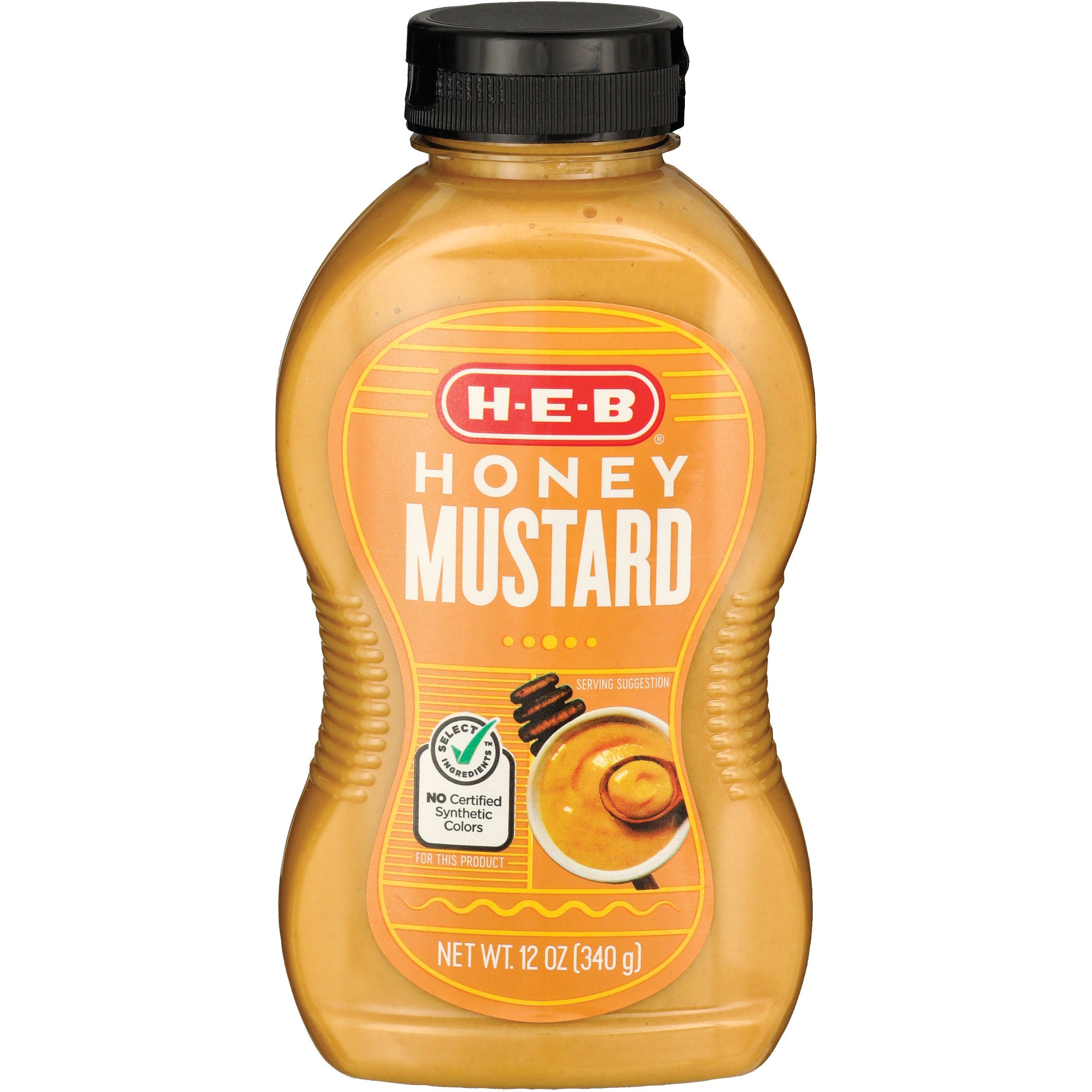
This honey mustard contains a mix of natural ingredients like mustard seed and turmeric, which are beneficial due to their anti-inflammatory properties. However, it also includes refined sugar, which is highly processed and contributes to excessive calorie intake without nutritional benefits. The product is moderately processed, which limits its score, and the presence of sugar further impacts its healthiness.
Key ingredients 12
Mustard SeedGood
Mustard seed is a natural spice that provides flavor and potential health benefits. It contains compounds like glucosinolates, which may have anti-inflammatory properties. It is minimally processed and adds nutritional value.
Risks
Allergic reactions are possible in sensitive individuals.
Benefits
Rich in antioxidants and may support digestive health.
HoneyGood
Traditional whole-food sweetener with trace enzymes and antioxidants.
Risks
High in sugars and calories, which can contribute to weight gain if consumed excessively.
Benefits
Contains antioxidants and may have antimicrobial properties.
SpicesGood
Whole-food seasonings, antioxidant-bearing.
Risks
Potential for allergic reactions in sensitive individuals.
Benefits
May contain antioxidants and anti-inflammatory compounds.
TurmericGood
Turmeric is a spice known for its anti-inflammatory and antioxidant properties. It contains curcumin, which is the active compound with health benefits. It is a natural ingredient with minimal processing.
Benefits
May reduce inflammation and support joint health.
PaprikaGood
Beneficial ingredient — whole-food or functional value in this product class.
Benefits
Contains antioxidants and may support eye health.
WaterNeutral
Water is a neutral ingredient used as a base or solvent in many food products. It does not contribute any calories or nutrients. It is essential for consistency and texture in condiments.
See more about Water →VinegarNeutral
Vinegar is commonly used for its acidic properties and flavor enhancement. It is produced through the fermentation of ethanol by acetic acid bacteria. It can aid in preservation and flavor balance.
Risks
Excessive consumption may lead to enamel erosion or digestive discomfort.
Benefits
May have antimicrobial properties and can aid in digestion.
Cider VinegarNeutral
Cider vinegar is similar to regular vinegar but made from fermented apple juice. It is used for its tangy flavor and potential health benefits. It is a natural product with minimal processing.
Risks
May cause digestive discomfort if consumed in large amounts.
Benefits
Contains acetic acid, which may aid in digestion and blood sugar regulation.
SaltNeutral
Salt is used to enhance flavor and preserve food. It is a common ingredient in many processed foods. It is essential for bodily functions but should be consumed in moderation.
Risks
Excessive intake can lead to high blood pressure and cardiovascular issues.
Benefits
Essential for maintaining fluid balance and nerve function.
Citric AcidNeutral
Citric acid is a natural preservative and flavor enhancer found in citrus fruits. It is used to add acidity and preserve freshness in foods. It is generally recognized as safe when used in food products.
Risks
May cause tooth enamel erosion if consumed in large quantities.
Benefits
Helps preserve food and enhance flavor.
SugarBad
Refined sugar is a common sweetener that can contribute to excessive calorie intake. It is highly processed and lacks nutritional benefits. Overconsumption is linked to various health issues.
Risks
High intake can lead to obesity, diabetes, and dental problems.
Benefits
Provides quick energy but lacks essential nutrients.
Brown SugarBad
Processed additive flagged under Scout's ingredient doctrine.
Risks
Similar health risks to refined sugar, including potential for weight gain and dental issues.
Benefits
Provides a richer flavor profile compared to white sugar.
Processing
Processed Foods
Get the full breakdown in the Scout appTake Scout shopping
Scan any product to see lab results, healthy alternatives, and your personalized analysis.
Download on theApp Store GET IT ONGoogle Play