


Glenda’s Whole Natural Cashews
Analysis updated June 2026 · How Scout scores
At a glance
Summary
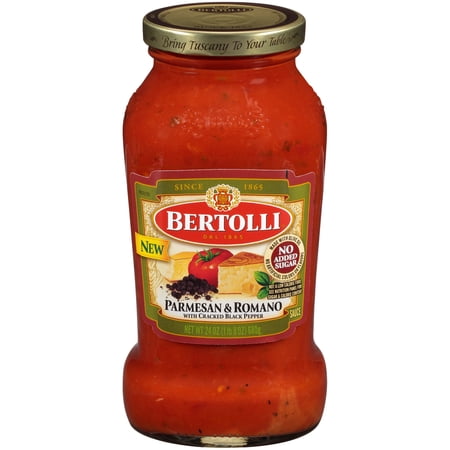
This product contains a variety of beneficial ingredients such as diced tomatoes, tomato juice, and olive oil, which are minimally processed and provide essential nutrients and antioxidants. The presence of parmesan and romano cheese adds flavor and nutritional value, while the use of olive oil is a positive aspect due to its healthy fat content. However, the product is processed, which limits its score despite the clean ingredient list and absence of harmful additives.
Key ingredients 14
Olive oilVery Good
Olive oil is a high-quality monounsaturated fat with anti-inflammatory properties. It contains antioxidants that support heart health. Cold-pressed extraction preserves beneficial compounds.
Benefits
Rich in monounsaturated fats that support heart health and provide anti-inflammatory properties.
Diced tomatoesGood
Diced tomatoes are a source of vitamins and antioxidants, particularly lycopene. They are minimally processed and retain most of their nutritional value. They contribute to heart health and may reduce the risk of certain cancers.
Benefits
Rich in vitamins A and C, and lycopene, which is beneficial for heart health and may reduce cancer risk.
Tomato juiceGood
Tomato juice provides hydration and nutrients such as vitamin C and potassium. It is a natural product with minimal processing. It supports immune function and cardiovascular health.
Benefits
Contains vitamin C and potassium, supporting immune and cardiovascular health.
Tomato pasteGood
Tomato paste is concentrated and provides a rich source of lycopene and other antioxidants. It is made by cooking tomatoes for a long time, reducing water content and concentrating nutrients. It supports heart health and may reduce cancer risk.
Benefits
High in lycopene and antioxidants, beneficial for heart health and cancer risk reduction.
OnionsGood
Onions are rich in vitamins, minerals, and antioxidants, particularly quercetin. They are a whole food ingredient with minimal processing. They support immune function and have anti-inflammatory properties.
Benefits
Rich in antioxidants and nutrients, supporting immune function and reducing inflammation.
GarlicGood
Garlic is known for its health-promoting properties, including antimicrobial and cardiovascular benefits. It is a whole food ingredient with minimal processing. It supports immune function and may reduce blood pressure.
Benefits
Contains compounds that support immune function and cardiovascular health.
SpicesGood
Whole-food seasonings, antioxidant-bearing.
Benefits
May provide antioxidants and enhance flavor.
Calcium chlorideNeutral
Calcium chloride is used as a firming agent in canned vegetables. It is generally recognized as safe when used in small amounts. It does not significantly alter the nutritional profile of the product.
Risks
Excessive consumption may lead to hypercalcemia, but this is unlikely in typical food use.
Citric acidNeutral
Citric acid is a natural preservative and flavor enhancer. It is commonly used in food processing to maintain freshness and enhance flavor. It is generally recognized as safe for consumption.
Risks
May cause dental erosion if consumed in large quantities, but typical food use is safe.
WaterNeutral
Water is used as a solvent and to adjust the consistency of the product. It is essential for hydration but does not contribute additional nutrients. It is a neutral ingredient in terms of health impact.
See more about Water →Parmesan cheeseNeutral
Parmesan cheese is a source of protein and calcium, but it is also high in sodium. It is made from pasteurized milk and aged to develop flavor. It provides some nutritional benefits but should be consumed in moderation due to sodium content.
Risks
High sodium content may contribute to hypertension if consumed in excess.
Benefits
Provides protein and calcium, supporting bone health.
SaltNeutral
Salt is used to enhance flavor and preserve food. It is a common ingredient in processed foods. While necessary for bodily functions, excessive intake can lead to health issues.
Risks
High sodium intake can lead to hypertension and cardiovascular issues.
Benefits
Essential for maintaining fluid balance and nerve function.
Romano cheeseNeutral
Romano cheese provides protein and calcium but is high in sodium. It is made from pasteurized milk and aged for flavor. It offers some nutritional benefits but should be consumed in moderation due to sodium content.
Risks
High sodium content may contribute to hypertension if consumed in excess.
Benefits
Provides protein and calcium, supporting bone health.
Cracked black pepperNeutral
Cracked black pepper is used for flavor and may have antioxidant properties. It is a natural spice with minimal processing. It enhances the taste of food without significant nutritional impact.
Benefits
May provide antioxidants and enhance flavor.
Processing
Processed Foods
Get the full breakdown in the Scout appTake Scout shopping
Scan any product to see lab results, healthy alternatives, and your personalized analysis.
Download on theApp Store GET IT ONGoogle Play