


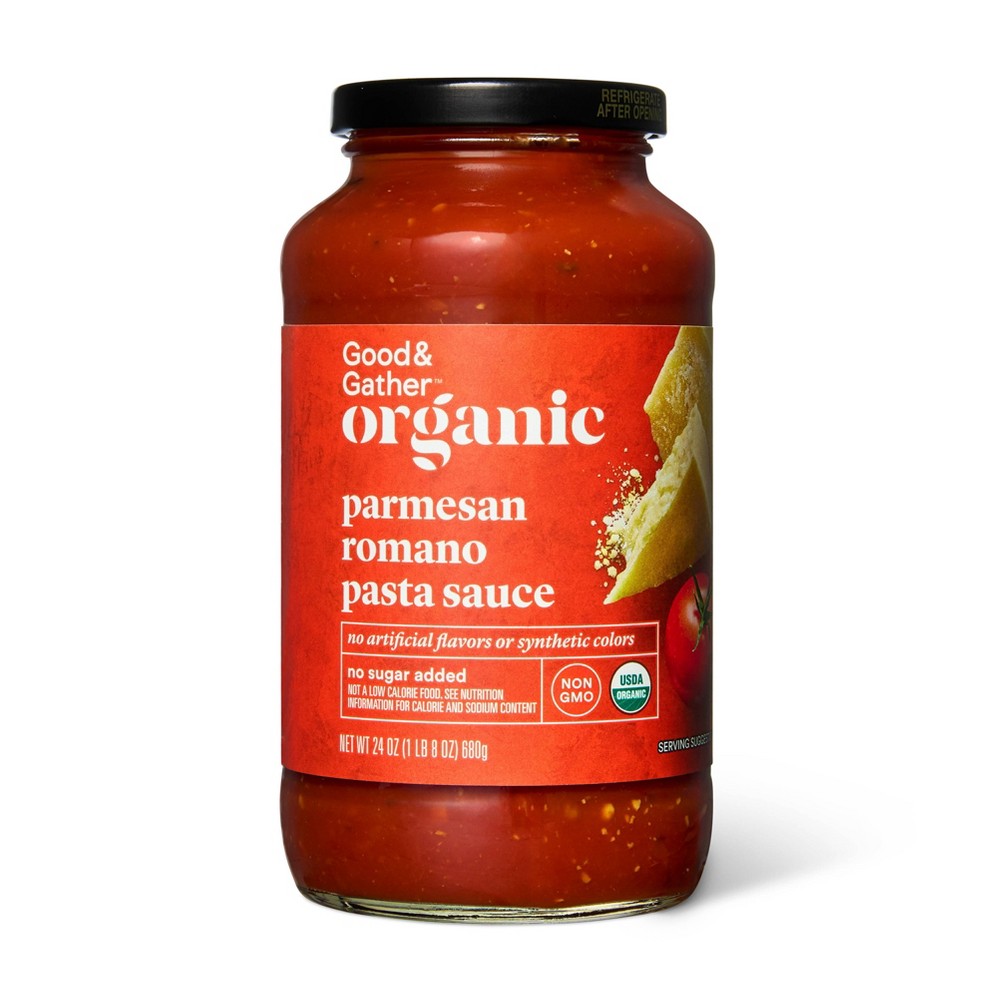

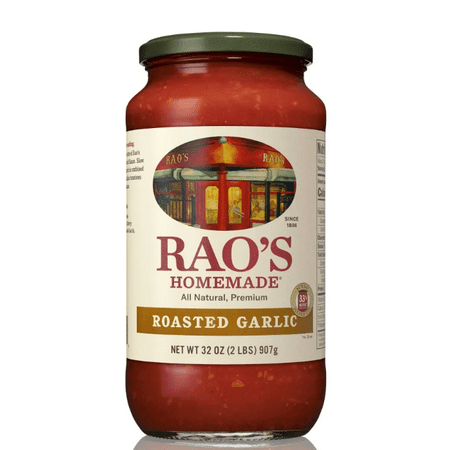
Classico Pasta Sauce
Analysis updated August 2026 · How Scout scores
At a glance
Summary
This pasta sauce is ultra-processed, which limits its potential health score. It contains beneficial ingredients like cream and parmesan cheese, but also includes additives such as sugar, natural flavors, and sodium phosphate, which detract from its nutritional value. The presence of these processed ingredients and additives, despite some positive components, results in a moderate health rating.
Key ingredients 16
CreamGood
Cream is a source of dairy fat, providing a rich texture and flavor. It contains fat-soluble vitamins like A and D. When sourced from grass-fed cows, it may have higher omega-3 content.
Risks
High in saturated fat, which may contribute to heart disease if consumed in excess.
Benefits
Provides fat-soluble vitamins and can enhance the absorption of other nutrients in the sauce.
Parmesan cheeseGood
Parmesan cheese is a good source of calcium and protein. It is aged, which enhances its flavor and digestibility. Contains beneficial bacteria from the fermentation process.
Risks
High sodium content may be a concern for individuals with hypertension.
Benefits
Rich in calcium and protein, supporting bone health and muscle maintenance.
Roasted garlicGood
Roasted garlic adds flavor and potential health benefits to the sauce. It contains antioxidants and compounds that may support heart health. Roasting enhances its flavor profile.
Benefits
Contains antioxidants and may support heart health.
Whey protein concentrateGood
Beneficial ingredient — whole-food or functional value in this product class.
Risks
May cause allergic reactions in individuals with dairy sensitivities.
Benefits
Provides essential amino acids and supports muscle maintenance.
WaterNeutral
Water is a neutral ingredient used as a base in many food products. It does not contribute any significant nutritional value. It is essential for consistency and texture in sauces.
See more about Water →Modified cornstarchNeutral
Modified cornstarch is used as a thickening agent in sauces. It is processed to improve its stability and texture. It does not provide significant nutritional value.
See more about Modified cornstarch →ButterNeutral
Butter adds flavor and richness to the sauce. It contains fat-soluble vitamins like A and E. When sourced from grass-fed cows, it may have higher omega-3 content.
Risks
High in saturated fat, which may contribute to heart disease if consumed in excess.
Benefits
Provides fat-soluble vitamins and enhances the flavor profile of the sauce.
SaltNeutral
Salt is used to enhance flavor and preserve the product. It is a common culinary ingredient. Excessive consumption can lead to health issues like hypertension.
Risks
High sodium intake is associated with increased risk of hypertension and cardiovascular diseases.
Benefits
Enhances flavor and acts as a preservative.
Enzyme modified egg yolksNeutral
Enzyme modified egg yolks are used for their emulsifying properties. They help stabilize the sauce and improve texture. They are processed to enhance functionality in food products.
Risks
May cause allergic reactions in individuals sensitive to eggs.
Benefits
Improves texture and stability of the sauce.
Xanthan gumNeutral
Xanthan gum is used as a thickening and stabilizing agent. It is produced through fermentation and is common in processed foods. It does not provide significant nutritional value.
Risks
May cause digestive issues in sensitive individuals when consumed in large amounts.
Benefits
Improves texture and stability of the sauce.
Lactic acidNeutral
Lactic acid is used as a preservative and flavoring agent. It is naturally occurring in fermented foods. It helps maintain the acidity and freshness of the product.
Benefits
Helps preserve the product and enhance flavor.
Gum arabicNeutral
Gum arabic is used as a stabilizer and thickener. It is a natural gum derived from the acacia tree. It is widely used in the food industry for its emulsifying properties.
Benefits
Improves texture and stability of the sauce.
EnzymesNeutral
Enzymes are used to enhance the texture and flavor of the sauce. They are biological catalysts that aid in food processing. They are generally recognized as safe in food applications.
Benefits
Enhances texture and flavor of the sauce.
SugarBad
Sugar is added for sweetness but provides empty calories. Excessive consumption can lead to weight gain and metabolic issues. It is a refined carbohydrate with minimal nutritional value.
Risks
High sugar intake is linked to obesity, diabetes, and dental cavities.
Natural flavorsBad
Natural flavors are used to enhance taste but lack transparency. They can be derived from various sources and may contain additives. Their exact composition is often undisclosed.
Risks
Potential allergens or additives may be present without clear labeling.
Sodium phosphateBad
Sodium phosphate is used as an emulsifier and preservative. It is a processed additive that can affect mineral balance in the body. Excessive intake may lead to health issues.
Risks
High intake may disrupt mineral balance and contribute to kidney issues.
Processing
Ultra-Processed Foods
Get the full breakdown in the Scout appTake Scout shopping
Scan any product to see lab results, healthy alternatives, and your personalized analysis.
Download on theApp Store GET IT ONGoogle PlayAmazon pricing & content
CERTAIN CONTENT THAT APPEARS ON THIS SITE COMES FROM AMAZON. THIS CONTENT IS PROVIDED “AS IS” AND IS SUBJECT TO CHANGE OR REMOVAL AT ANY TIME.