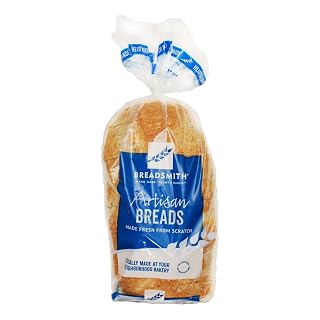
H-E-B Bakery French Bread

At a glance
Summary
This French bread is made with enriched unbleached wheat flour, which is a processed ingredient, and includes added vitamins and minerals. The ingredient list is relatively short and free from harmful additives like high-fructose corn syrup or artificial dyes, but the use of enriched flour and added sugar contributes to its moderate processing level. While it lacks major red flags, the processing and use of refined ingredients limit its healthfulness compared to more minimally processed breads.
Key ingredients 13
Enriched unbleached wheat flourNeutral
Enriched unbleached wheat flour is a common base for bread products, providing structure and texture. It is enriched with vitamins and minerals like niacin and iron to replace nutrients lost during processing. While it provides carbohydrates and some nutrients, it lacks the fiber and micronutrients found in whole grain flours.
Risks
May contribute to blood sugar spikes due to its refined nature and lack of fiber.
Benefits
Provides essential vitamins and minerals such as iron and B vitamins due to enrichment.
Wheat flourNeutral
Wheat flour is a staple ingredient in bread, providing gluten which gives bread its structure. It is a refined flour, meaning it lacks the bran and germ found in whole wheat flour. While it is a good source of carbohydrates, it does not offer the same nutritional benefits as whole grain flour.
Risks
Consumption of refined wheat flour may lead to increased blood sugar levels and lacks dietary fiber.
Benefits
Provides carbohydrates necessary for energy.
NiacinNeutral
Niacin, also known as vitamin B3, is added to enriched flour to compensate for nutrient loss during processing. It plays a role in energy metabolism and maintaining healthy skin and nerves. While beneficial, it is typically consumed in adequate amounts through a balanced diet.
Benefits
Supports energy metabolism and overall health.
Iron (ferrous sulfate)Neutral
Iron is an essential mineral added to enriched flour to prevent deficiencies. It is crucial for oxygen transport in the blood and energy production. Ferrous sulfate is a common form of iron used in food fortification.
Risks
Excessive iron intake can lead to toxicity, but this is unlikely from food sources alone.
Benefits
Essential for oxygen transport and preventing anemia.
Thiamine mononitrateNeutral
Thiamine mononitrate is a form of vitamin B1 added to enriched flour to replace nutrients lost during processing. It is important for energy metabolism and nerve function. While beneficial, it is generally consumed in sufficient amounts through a varied diet.
Benefits
Supports energy metabolism and nerve function.
Microbial enzymesNeutral
Microbial enzymes are used in bread making to improve dough handling and texture. They are derived from natural sources and help in breaking down starches and proteins. These enzymes are generally recognized as safe and are used in minimal amounts.
Benefits
Enhances dough quality and bread texture.
RiboflavinNeutral
Riboflavin, or vitamin B2, is added to enriched flour to restore nutrients lost during processing. It is essential for energy production and cellular function. While beneficial, it is typically consumed in adequate amounts through a balanced diet.
Benefits
Supports energy production and cellular health.
Malted barley flourNeutral
Malted barley flour is used in bread making to enhance flavor and improve yeast fermentation. It contains enzymes that help break down starches into sugars, aiding in the fermentation process. It is used in small quantities and contributes to the bread's flavor profile.
Benefits
Improves flavor and fermentation in bread making.
WaterNeutral
Water is a fundamental ingredient in bread, hydrating the flour and activating yeast. It is essential for the dough formation and baking process. Water is a neutral ingredient with no direct nutritional impact.
Benefits
Essential for dough formation and yeast activation.
SaltNeutral
Salt is used in bread to enhance flavor and control yeast activity. It is a common culinary ingredient that also strengthens gluten structure. While necessary in small amounts, excessive consumption can lead to health issues.
Risks
High sodium intake can contribute to hypertension and cardiovascular issues.
Benefits
Enhances flavor and strengthens gluten in bread.
SugarNeutral
Sugar is used in bread to feed yeast and enhance browning during baking. It is present in small amounts and contributes to the bread's flavor and texture. While it provides energy, excessive sugar consumption can have negative health effects.
Risks
Excessive sugar intake can lead to health issues such as obesity and diabetes.
Benefits
Enhances flavor and aids in yeast fermentation.
YeastNeutral
Yeast is a microorganism used in bread making to leaven the dough. It ferments sugars, producing carbon dioxide that causes the dough to rise. Yeast is a natural ingredient essential for traditional bread making.
Benefits
Essential for leavening and flavor development in bread.
Folic acidNeutral
Folic acid is a synthetic form of vitamin B9 added to enriched flour to prevent deficiencies. It is important for DNA synthesis and cell division. While beneficial, it is typically consumed in adequate amounts through a balanced diet.
Risks
Excessive intake of folic acid from supplements can mask vitamin B12 deficiency.
Benefits
Supports DNA synthesis and cell division.
Processing
Processed Foods
Get the full breakdown in the Scout appTake Scout shopping
Scan any product to see lab results, healthy alternatives, and your personalized analysis.
Are you H-E-B Bakery? Fix an error Get the badge Get tested
Amazon pricing & content
Amazon price as of . Product prices and availability are accurate as of the date/time indicated and are subject to change. Any price and availability information displayed on Amazon.com at the time of purchase will apply to the purchase of this product.
CERTAIN CONTENT THAT APPEARS ON THIS SITE COMES FROM AMAZON. THIS CONTENT IS PROVIDED “AS IS” AND IS SUBJECT TO CHANGE OR REMOVAL AT ANY TIME.