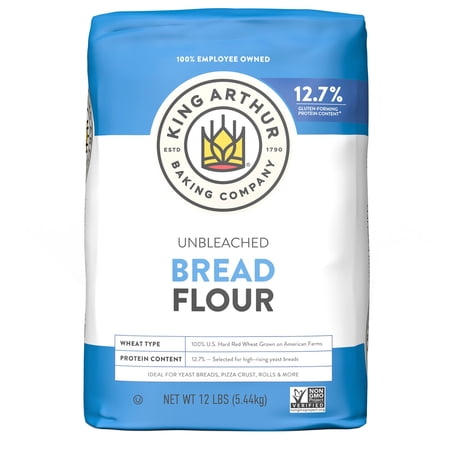
GLUTEN FREE ALL-PURPOSE FLOUR

At a glance
Summary
This gluten-free all-purpose flour is a processed product, primarily composed of rice flour, tapioca starch, and potato starch. While it includes whole grain brown rice flour, which is a healthier alternative to refined flours, the overall ingredient list lacks significant nutritional diversity and fiber. The inclusion of a vitamin and mineral blend adds some nutritional value, but the product's processing level limits its score.
Key ingredients 9
Whole grain brown rice flourGood
Whole grain brown rice flour is made from whole brown rice grains, retaining more nutrients than white rice flour. It provides fiber, vitamins, and minerals, contributing to a more balanced nutritional profile. It is a healthier gluten-free alternative to refined flours.
Benefits
Rich in fiber and essential nutrients, supporting digestive health and providing a more nutritious gluten-free option.
Rice flourNeutral
Rice flour is a common gluten-free alternative to wheat flour. It is made by milling rice grains into a fine powder. While it provides carbohydrates, it lacks significant protein or fiber content.
Benefits
Provides a gluten-free option for baking and cooking, suitable for those with celiac disease or gluten intolerance.
Tapioca starchNeutral
Tapioca starch is derived from the cassava root and is used as a thickening agent. It is highly processed and primarily provides carbohydrates. It lacks significant nutritional benefits beyond its use as a thickener.
Benefits
Useful for improving texture and moisture retention in gluten-free baking.
Potato starchNeutral
Potato starch is extracted from potatoes and used as a thickener and binding agent. It is highly refined and primarily provides carbohydrates. It does not offer significant nutritional benefits.
Benefits
Enhances texture and moisture in gluten-free products, making them more palatable.
Calcium carbonateNeutral
Calcium carbonate is a mineral used to fortify foods with calcium. It is a common additive in gluten-free products to enhance nutritional value. While it provides calcium, it does not offer other significant nutritional benefits.
Risks
Excessive intake may lead to hypercalcemia, but this is unlikely from food sources alone.
Benefits
Provides a source of calcium, supporting bone health and preventing deficiencies.
Niacinamide (vitamin B3)Neutral
Niacinamide is a form of vitamin B3 used to fortify foods. It is essential for energy metabolism and maintaining healthy skin. While beneficial, it is typically added in small amounts that do not significantly impact overall nutrition.
Benefits
Supports energy metabolism and skin health, contributing to overall well-being.
Reduced ironNeutral
Reduced iron is used to fortify foods with iron, an essential mineral for oxygen transport in the body. It is a common additive in gluten-free products to prevent iron deficiency. While beneficial, it is typically added in small amounts.
Risks
Excessive iron intake can lead to toxicity, but this is unlikely from food sources alone.
Benefits
Helps prevent iron deficiency anemia by providing a source of iron.
Thiamin hydrochloride (vitamin B1)Neutral
Thiamin hydrochloride is a form of vitamin B1 used to fortify foods. It is essential for energy metabolism and nerve function. While beneficial, it is typically added in small amounts that do not significantly impact overall nutrition.
Benefits
Supports energy metabolism and nerve function, contributing to overall health.
Riboflavin (vitamin B2)Neutral
Riboflavin is a form of vitamin B2 used to fortify foods. It is essential for energy production and cellular function. While beneficial, it is typically added in small amounts that do not significantly impact overall nutrition.
Benefits
Supports energy production and cellular function, contributing to overall health.
Processing
Processed Foods
Get the full breakdown in the Scout appTake Scout shopping
Scan any product to see lab results, healthy alternatives, and your personalized analysis.
Are you King Arthur Baking Company? Fix an error Get the badge Get tested