



At a glance
Summary
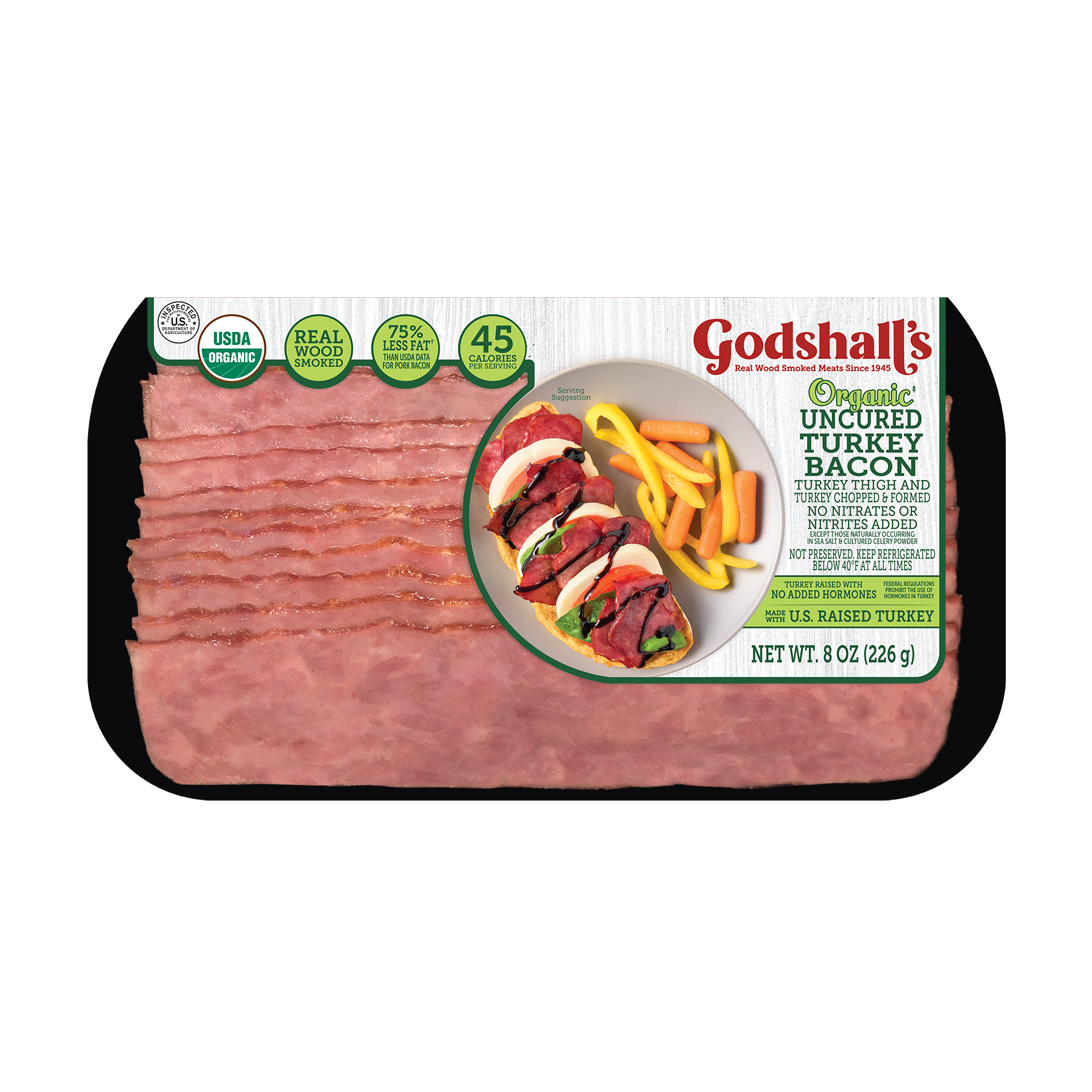
This uncured turkey bacon is a processed food with a relatively clean ingredient list, featuring turkey as a lean protein source and sea salt for flavor. However, the presence of cane sugar, a refined ingredient, slightly detracts from its health profile. Despite being processed, it avoids major harmful additives, allowing it to maintain a reasonable score within its category.
Key ingredients 6
TurkeyGood
Turkey is a lean source of high-quality protein, providing essential amino acids. It is minimally processed in this context, contributing to muscle maintenance and repair. Compared to red meats, turkey is lower in saturated fat, making it a healthier option.
Benefits
Rich in protein and low in saturated fat, supporting muscle health and weight management.
Sea SaltGood
Sea salt is a natural source of sodium and trace minerals, minimally processed. It enhances flavor without the additives found in refined salts. The presence of trace minerals can provide additional health benefits compared to regular table salt.
Risks
Excessive sodium intake can lead to hypertension and cardiovascular issues.
Benefits
Provides essential sodium and trace minerals, supporting electrolyte balance and nerve function.
WaterNeutral
Water is used as a processing aid and does not contribute nutritional value. It helps maintain moisture in the product. There are no health concerns associated with water in this context.
See more about Water →VinegarNeutral
Vinegar is used as a natural preservative and flavor enhancer. It is minimally processed and generally considered safe. It can aid in food preservation by lowering pH levels.
Benefits
May aid in food preservation and enhance flavor without adding calories.
Cultured Celery PowderNeutral
Cultured celery powder is used as a natural preservative due to its nitrate content. It is less processed than synthetic preservatives. It helps maintain product freshness and safety.
Risks
Excessive consumption of nitrates can be a concern, but levels in food are generally considered safe.
Benefits
Acts as a natural preservative, helping to extend shelf life without synthetic additives.
Cane SugarBad
Cane sugar is a refined sugar that can contribute to increased calorie intake and potential weight gain. It is processed and lacks nutritional benefits. Excessive consumption is linked to metabolic disorders and dental issues.
Risks
High intake can lead to obesity, insulin resistance, and dental cavities.
Benefits
Provides quick energy but lacks essential nutrients.
Processing
Processed Foods
Get the full breakdown in the Scout appTake Scout shopping
Scan any product to see lab results, healthy alternatives, and your personalized analysis.
Download on theApp Store GET IT ONGoogle Play