


At a glance
Summary
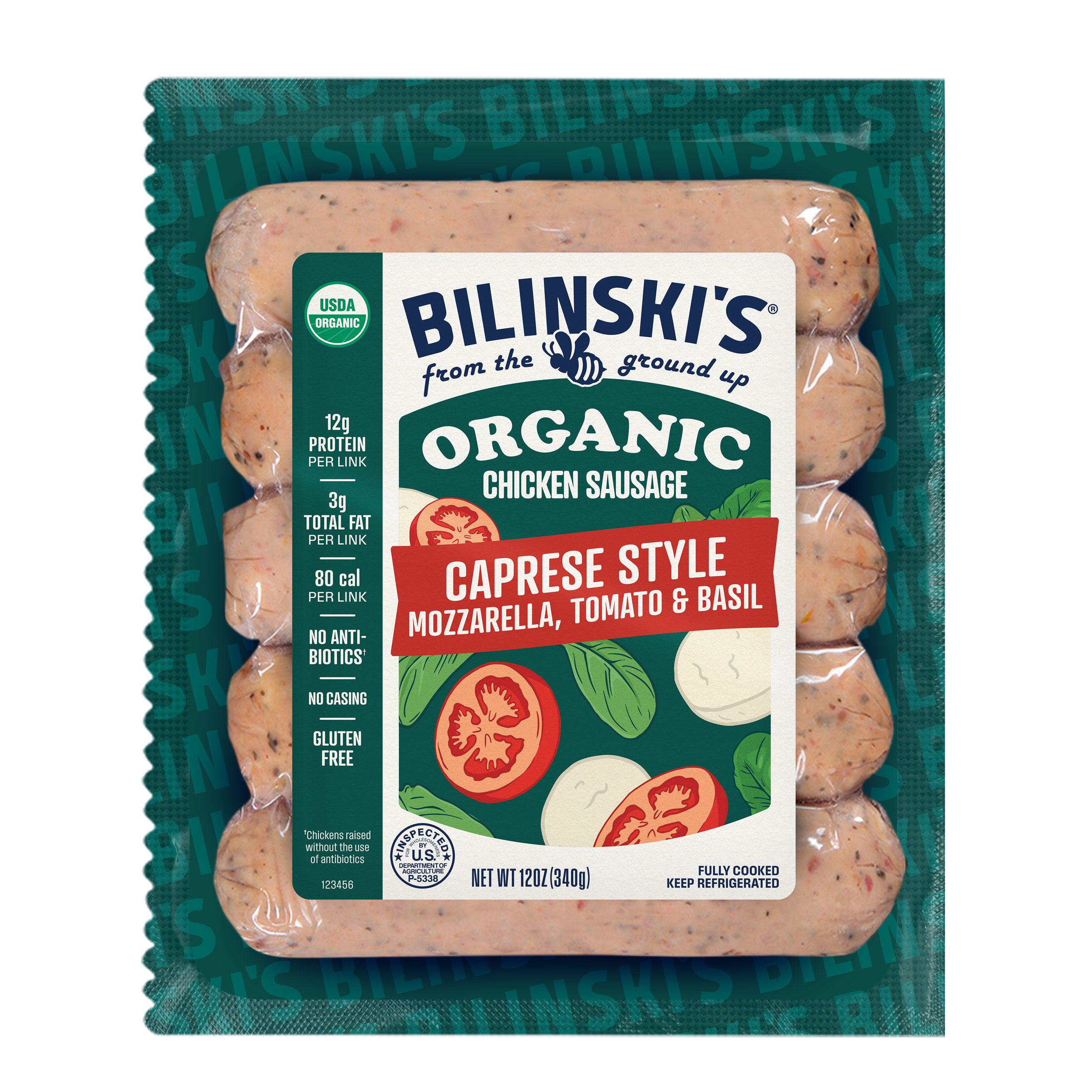
The chicken sausage contains high-quality ingredients like chicken, part-skim mozzarella cheese, and extra virgin olive oil, which are beneficial for health. However, it is classified as ultra-processed due to the presence of added sugar and natural flavors, which limits its score. The high sodium content also contributes to a lower rating, despite the presence of some nutritious components.
Key ingredients 12
Extra virgin olive oilVery Good
Extra virgin olive oil is a high-quality monounsaturated fat with anti-inflammatory properties. It contains antioxidants that support heart health. Cold-pressed extraction preserves beneficial compounds.
Benefits
Rich in monounsaturated fats that support heart health and provide anti-inflammatory properties. Contains antioxidants like vitamin E and polyphenols that may reduce oxidative stress.
ChickenGood
Chicken is a high-quality source of animal protein, providing essential amino acids. It is generally considered a lean meat, which can be beneficial for maintaining muscle mass. The quality of chicken can vary based on farming practices, with organic or pasture-raised options being preferable.
Risks
Potential risks include contamination with bacteria like Salmonella if not cooked properly.
Benefits
Rich in protein, which is essential for muscle repair and growth. Provides important vitamins and minerals such as B vitamins and selenium.
Part-skim mozzarella cheeseGood
Part-skim mozzarella cheese is a source of calcium and protein, contributing to bone health and muscle maintenance. It is made from pasteurized milk, which reduces the risk of harmful bacteria. The reduced fat content makes it a healthier option compared to full-fat cheeses.
Risks
Contains lactose, which may cause digestive issues for those with lactose intolerance.
Benefits
Provides calcium and protein, supporting bone health and muscle function. Lower in fat compared to full-fat cheese options.
Sun dried tomatoesGood
Sun dried tomatoes are rich in antioxidants, particularly lycopene, which may reduce the risk of certain diseases. They are concentrated in flavor and nutrients due to the drying process. The drying process preserves the tomatoes, extending their shelf life.
Risks
May contain added salt or preservatives, which can be a concern for those monitoring sodium intake.
Benefits
High in antioxidants like lycopene, which support heart health and may reduce cancer risk. Provides vitamins such as vitamin C and K.
BasilGood
Basil is a herb known for its aromatic properties and potential health benefits. It contains essential oils and antioxidants that may support immune function. Fresh basil is preferable for its higher nutrient content compared to dried forms.
Benefits
Contains antioxidants and essential oils that may support immune health and reduce inflammation.
Spices including paprikaGood
Spices like paprika add flavor and color to foods and may have health benefits. Paprika contains antioxidants such as carotenoids that support eye health. The use of spices can enhance the palatability of foods without adding calories.
Benefits
Rich in antioxidants that may support eye health and reduce inflammation.
Dried parsleyGood
Dried parsley is a herb that adds flavor and contains vitamins and antioxidants. It is a source of vitamin K, which is important for bone health. Drying preserves the herb, making it a convenient option for long-term storage.
Benefits
Provides vitamin K and antioxidants that support bone health and reduce oxidative stress.
Garlic powderGood
Garlic powder is used for flavoring and has potential health benefits. It contains compounds like allicin, which may support cardiovascular health. The drying process concentrates its flavor and extends its shelf life.
Benefits
Contains allicin, which may support heart health and have antimicrobial properties.
VinegarNeutral
Vinegar is used as a preservative and flavor enhancer in foods. It is made through the fermentation of ethanol by acetic acid bacteria. While it has culinary uses, it does not provide significant nutritional benefits.
Risks
Excessive consumption may lead to digestive discomfort due to its acidity.
Benefits
May aid in digestion and has antimicrobial properties.
SaltNeutral
Salt is used to enhance flavor and preserve food. It is essential for maintaining fluid balance and nerve function. However, excessive intake can lead to health issues such as hypertension.
Risks
High sodium intake is associated with increased risk of hypertension and cardiovascular diseases.
Benefits
Essential for maintaining fluid balance and nerve function.
SugarBad
Sugar is added to enhance flavor but provides no essential nutrients. It is a refined carbohydrate that can contribute to weight gain and metabolic issues. Excessive consumption is linked to various health problems.
Risks
High sugar intake is associated with obesity, type 2 diabetes, and dental cavities.
Natural flavorsBad
Umbrella term that can hide dozens of undisclosed synthetic constituents.
Risks
Potential for allergic reactions or sensitivities in some individuals.
Processing
Ultra-Processed Foods
Get the full breakdown in the Scout appTake Scout shopping
Scan any product to see lab results, healthy alternatives, and your personalized analysis.
Download on theApp Store GET IT ONGoogle Play