



At a glance
Summary
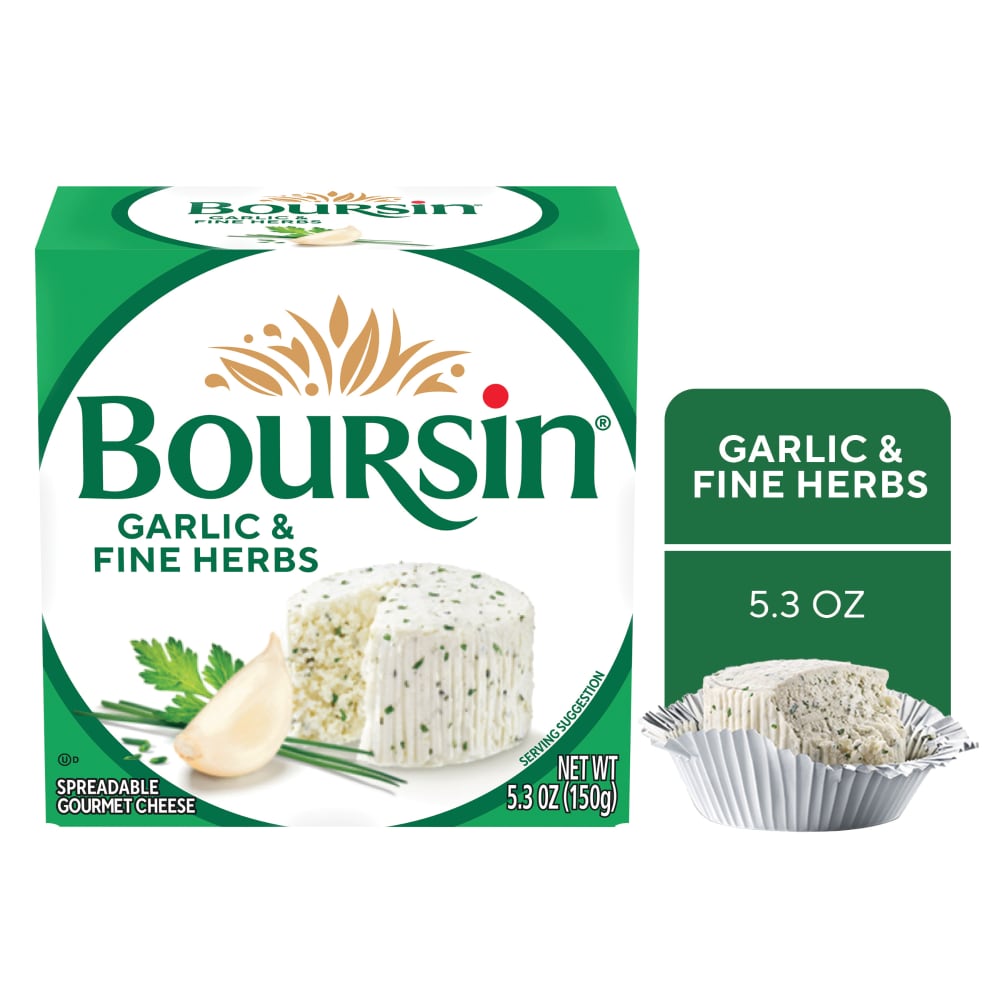
This cream cheese spread is ultra-processed, which limits its score despite containing beneficial ingredients like pasteurized milk and cream, and cheese culture. The presence of modified corn starch and multiple gums as thickeners and stabilizers, along with natamycin as a preservative, further impacts its rating. While it provides some nutritional benefits, the level of processing and use of additives are significant factors in its evaluation.
Key ingredients 10
Pasteurized Milk and CreamGood
Pasteurized milk and cream are primary dairy ingredients providing essential nutrients like calcium and protein. The pasteurization process ensures safety by eliminating harmful bacteria. These ingredients are foundational in dairy products, offering a rich source of vitamins and minerals.
Benefits
Rich in calcium and protein, supporting bone health and muscle function. Provides essential vitamins such as vitamin D and B12.
Whey Protein ConcentrateGood
Beneficial ingredient — whole-food or functional value in this product class.
Risks
May cause digestive issues for individuals with lactose intolerance or dairy allergies.
Benefits
Provides a complete amino acid profile beneficial for muscle repair and growth.
Cheese CultureGood
Cheese culture is a beneficial bacterial culture used in cheese production to develop flavor and texture. It aids in the fermentation process, contributing to the probiotic content of the cheese. These cultures can improve gut health by promoting beneficial bacteria.
Benefits
Supports gut health by promoting beneficial bacteria and enhancing flavor and texture in cheese.
SaltNeutral
Salt is used to enhance flavor and preserve food. It is a necessary nutrient but should be consumed in moderation to avoid health issues. In processed foods, it can contribute to excessive sodium intake.
Risks
Excessive consumption may lead to high blood pressure and cardiovascular issues.
Benefits
Essential for maintaining fluid balance and nerve function.
Guar GumNeutral
Guar gum is a natural thickening agent derived from guar beans. It is used to improve texture and stability in processed foods. While generally safe, excessive consumption may cause digestive issues.
Risks
May cause digestive discomfort such as gas or bloating when consumed in large amounts.
Benefits
Helps improve texture and stability in food products.
Lactic AcidNeutral
Lactic acid is a naturally occurring acid used as a preservative and flavoring agent. It is produced through fermentation and is generally recognized as safe. It can enhance the tangy flavor profile of dairy products.
Benefits
Enhances flavor and acts as a preservative in food products.
Carob Bean GumNeutral
Carob bean gum is a natural thickener derived from the seeds of the carob tree. It is used to stabilize and thicken food products. It is generally safe but may cause digestive issues in sensitive individuals.
Risks
May cause digestive discomfort in sensitive individuals.
Benefits
Improves texture and stability in food products.
Xanthan GumNeutral
Xanthan gum is a polysaccharide used as a thickening and stabilizing agent in foods. It is produced through fermentation and is widely used in gluten-free products. While generally safe, it may cause digestive issues in some people.
Risks
May cause digestive issues such as gas or bloating in some individuals.
Benefits
Enhances texture and stability, especially in gluten-free products.
Modified Corn StarchBad
Modified corn starch is a processed carbohydrate used as a thickener and stabilizer. It undergoes chemical modifications to enhance its properties, which may reduce its nutritional value. Its consumption should be limited due to its high glycemic index.
Risks
High glycemic index may lead to spikes in blood sugar levels.
NatamycinBad
Natamycin is a natural mold inhibitor used to extend the shelf life of dairy products. While effective as a preservative, its use in food is controversial due to potential impacts on gut microbiota. It is generally recognized as safe but should be used sparingly.
Risks
Potential impact on gut microbiota with excessive use.
Benefits
Prevents mold growth, extending the shelf life of dairy products.
Processing
Ultra-Processed Foods
Get the full breakdown in the Scout appTake Scout shopping
Scan any product to see lab results, healthy alternatives, and your personalized analysis.
Download on theApp Store GET IT ONGoogle Play