


At a glance
Summary
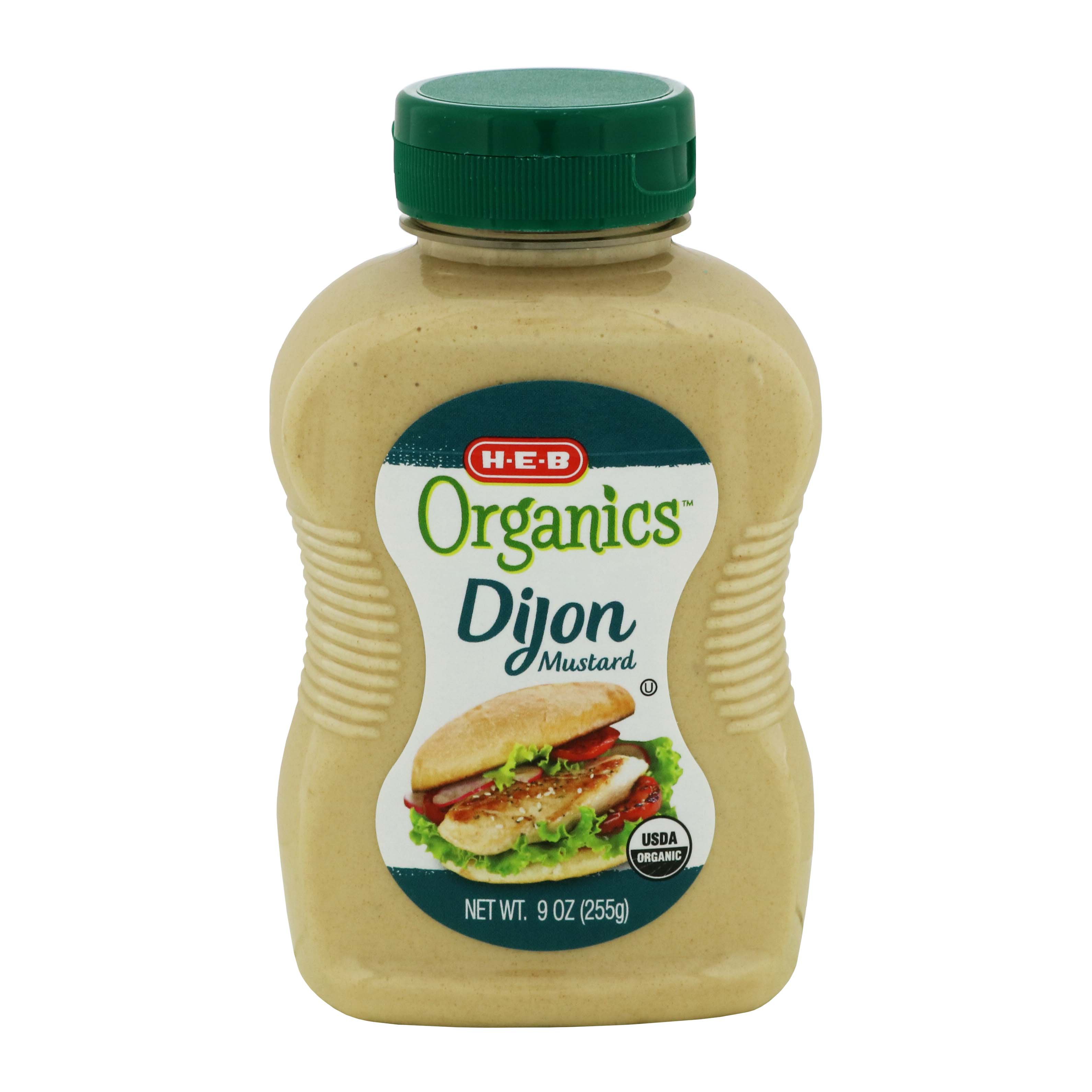
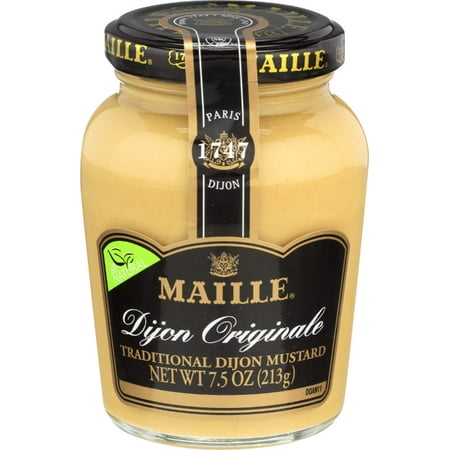
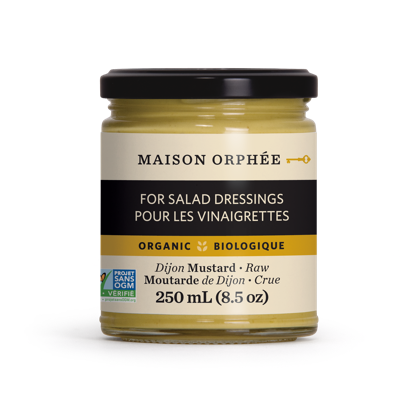
This Dijon mustard is a processed food but features a relatively clean ingredient list with mustard seed as a beneficial component. The product contains minimal additives and avoids harmful ingredients like seed oils or artificial sweeteners. Its processing level limits the score, but the absence of major red flags and the use of natural spices contribute positively to its rating.
Key ingredients 8
Mustard SeedGood
Mustard seed is a beneficial ingredient known for its antioxidant properties and potential health benefits. It contains compounds that may support digestive health and provide anti-inflammatory effects. The seeds are minimally processed, retaining their natural nutrients.
Risks
May cause allergic reactions in sensitive individuals.
Benefits
Rich in antioxidants and may support digestive health and reduce inflammation.
SpicesGood
Whole-food seasonings, antioxidant-bearing.
Risks
Potential for allergic reactions depending on the specific spices used.
Benefits
Enhances flavor and aroma of the product.
WaterNeutral
Water is a neutral ingredient used as a solvent and to adjust the consistency of the product. It does not contribute any nutritional value or health risks. Its presence is essential for the texture and spreadability of mustard.
See more about Water →Distilled VinegarNeutral
Distilled vinegar is used for its acidic properties, which enhance flavor and act as a preservative. It is a common ingredient in condiments and does not provide significant nutritional benefits. The distillation process removes impurities, making it a stable ingredient.
Risks
Excessive consumption may lead to digestive discomfort.
Benefits
Acts as a preservative and enhances flavor without adding calories.
SaltNeutral
Salt is used to enhance flavor and preserve the product. It is a common ingredient in many foods but does not provide additional health benefits beyond sodium content. The amount used in this product is moderate and typical for condiments.
Risks
Excessive sodium intake can lead to high blood pressure and cardiovascular issues.
Benefits
Enhances flavor and acts as a preservative.
White WineNeutral
White wine is used for its flavor-enhancing properties in mustard. It contributes to the overall taste profile but does not offer significant nutritional benefits. The alcohol content is typically reduced during processing.
Risks
Contains alcohol, which may not be suitable for all individuals.
Benefits
Enhances flavor and complexity of the mustard.
Citric AcidNeutral
Citric acid is a natural preservative and flavor enhancer used in many food products. It is generally recognized as safe and contributes to the tartness of mustard. It is derived from citrus fruits or produced via fermentation.
Risks
May cause irritation in individuals with citric acid sensitivity.
Benefits
Acts as a preservative and enhances the tart flavor of the product.
Tartaric AcidNeutral
Tartaric acid is used to stabilize and enhance the flavor of mustard. It is a naturally occurring acid found in grapes and other fruits. It does not provide significant nutritional benefits but is effective in maintaining product quality.
Risks
May cause gastrointestinal discomfort if consumed in large amounts.
Benefits
Stabilizes and enhances the flavor of the product.
Processing
Processed Foods
Get the full breakdown in the Scout appTake Scout shopping
Scan any product to see lab results, healthy alternatives, and your personalized analysis.
Download on theApp Store GET IT ONGoogle Play