
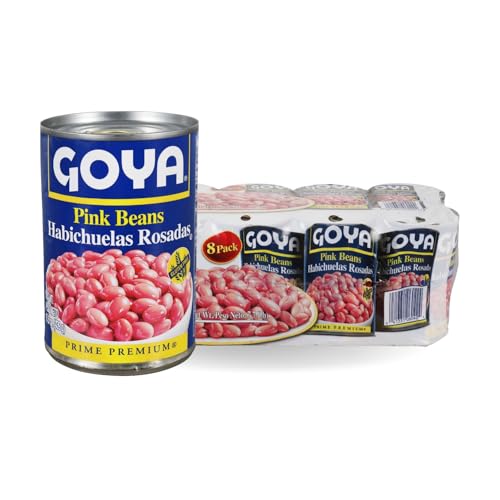




Goya Pink Beans
GoyaAnalysis updated June 2026 · How Scout scores
At a glance
Summary
This product contains pink beans, which are a nutritious source of protein and fiber, but it also includes calcium disodium EDTA, a synthetic additive used for color retention. The presence of this additive indicates a higher level of processing compared to fresh or minimally processed beans, which affects the overall health score. Despite the processing, the beans themselves remain a beneficial component of the product.
Key ingredients 5
Pink BeansNeutral
Pink beans are a good source of plant-based protein and fiber, contributing to a balanced diet without added harmful substances.
WaterNeutral
Water is essential for hydration and helps maintain the texture and quality of the beans without any negative effects.
See more about Water →SaltNeutral
Salt enhances flavor but should be consumed in moderation; in this product, it is used in typical culinary amounts.
See more about Salt →Calcium ChlorideNeutral
Calcium chloride is used as a firming agent to preserve texture and appearance, with no significant health concerns in typical use.
See more about Calcium Chloride →Calcium Disodium EDTANeutral
EDTA is added to help retain color and prevent spoilage, generally recognized as safe when used within regulated limits.
See more about Calcium Disodium EDTA →Processing
Processed Foods
Get the full breakdown in the Scout appTake Scout shopping
Scan any product to see lab results, healthy alternatives, and your personalized analysis.
Download on theApp Store GET IT ONGoogle PlayAmazon pricing & content
Amazon price as of . Product prices and availability are accurate as of the date/time indicated and are subject to change. Any price and availability information displayed on Amazon.com at the time of purchase will apply to the purchase of this product.
CERTAIN CONTENT THAT APPEARS ON THIS SITE COMES FROM AMAZON. THIS CONTENT IS PROVIDED “AS IS” AND IS SUBJECT TO CHANGE OR REMOVAL AT ANY TIME.