

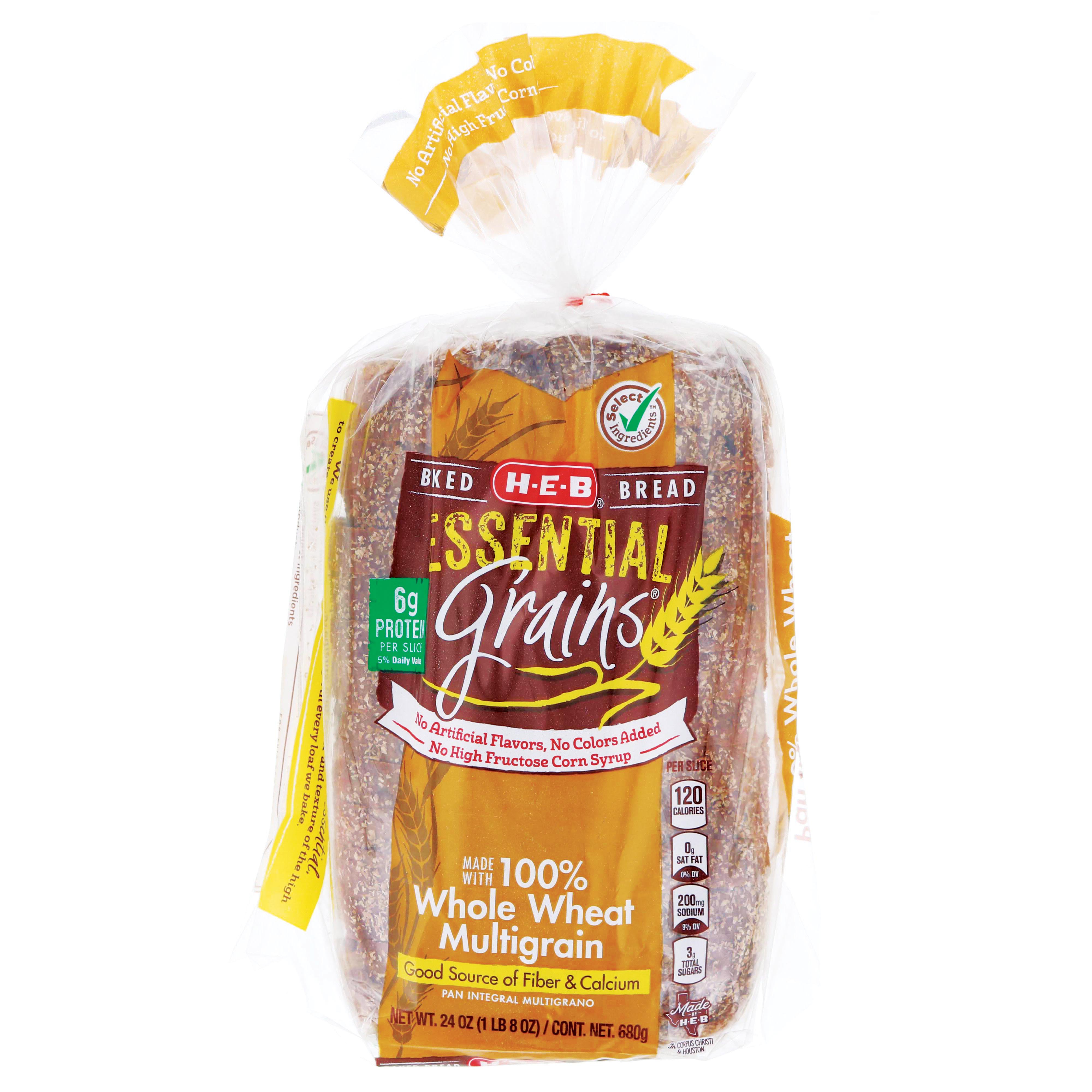
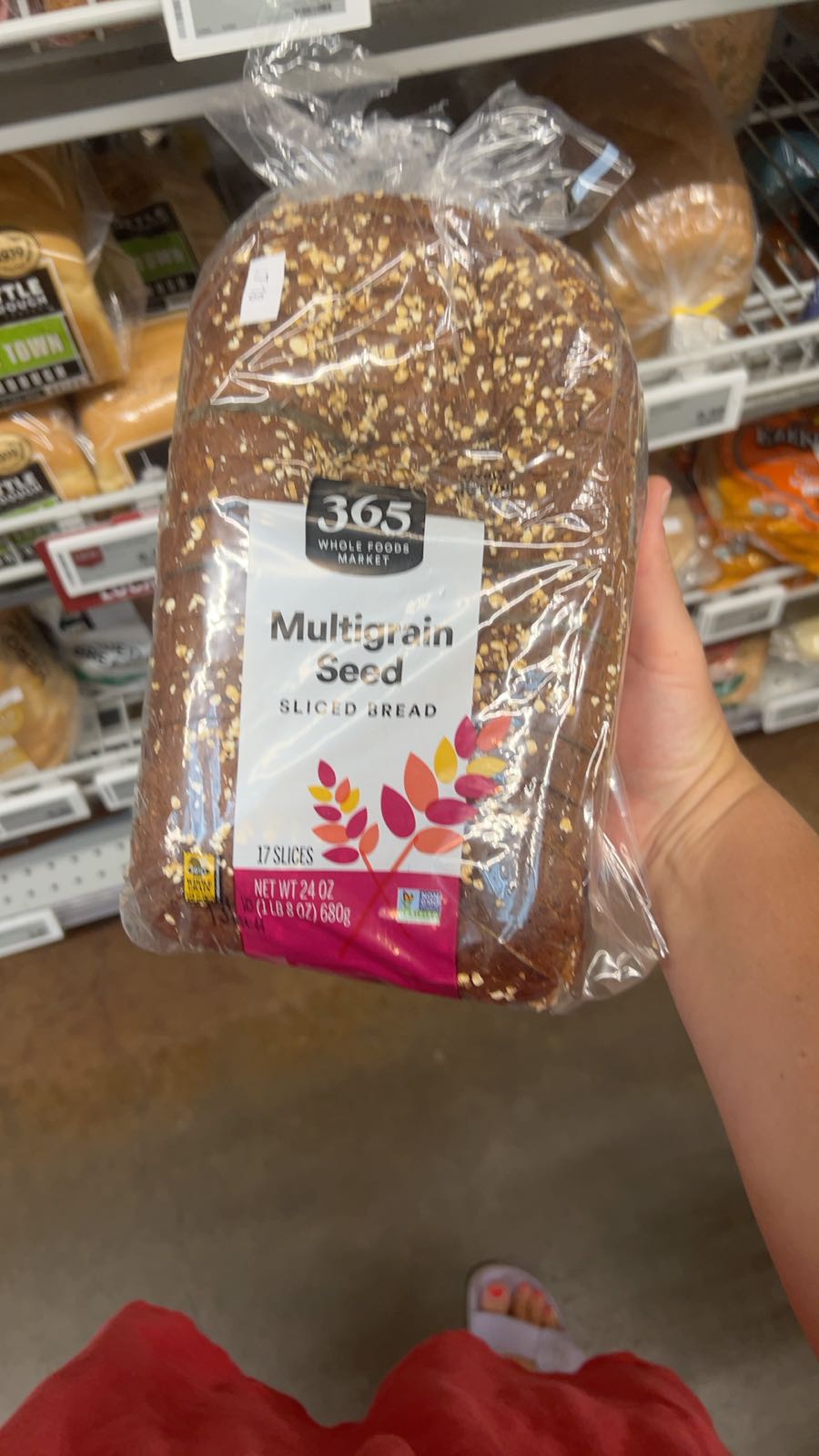



GreenWise Sprouted Multigrain Bread
Analysis updated September 2026 · How Scout scores
At a glance
Summary
This bread features a variety of organic and sprouted grains, which enhance its nutritional profile and digestibility. However, despite the use of beneficial ingredients like organic honey and seeds, the product is classified as ultra-processed due to its processing level, which limits its maximum score. The absence of harmful additives and the presence of whole grains contribute positively, but the processing level imposes a cap on the overall rating.
Key ingredients 15
Organic sprouted wheat berriesVery Good
Sprouted wheat berries are a nutrient-dense whole grain that provides essential vitamins and minerals. The sprouting process enhances nutrient absorption and reduces antinutrients. Being organic, they are free from synthetic pesticides and fertilizers.
Benefits
Rich in fiber and essential nutrients, supporting digestive health and providing sustained energy.
Organic honeyGood
Organic honey is a natural sweetener with antioxidant properties. It provides a source of simple sugars that can offer quick energy. Being organic, it is produced without synthetic additives or pesticides.
Risks
Excessive consumption can contribute to high sugar intake.
Benefits
Contains antioxidants and has antimicrobial properties, supporting immune health.
Organic sprouted milletGood
Sprouted millet is a whole grain that is rich in nutrients and easy to digest. The sprouting process increases its nutritional value and bioavailability. Being organic, it is cultivated without harmful chemicals.
Benefits
Provides essential minerals and is a good source of plant-based protein.
Sea saltGood
Sea salt is a natural source of sodium and trace minerals. It is less processed than regular table salt, retaining more of its natural mineral content. It enhances flavor without the need for artificial additives.
Risks
Excessive sodium intake can lead to high blood pressure and cardiovascular issues.
Benefits
Provides essential minerals and enhances the flavor of food naturally.
Organic cracked wheatGood
Cracked wheat is a whole grain that retains its bran and germ, providing fiber and nutrients. Being organic, it is grown without synthetic pesticides. It contributes to the bread's texture and nutritional profile.
Benefits
Rich in dietary fiber, supporting digestive health and providing a source of complex carbohydrates.
Organic rolled oatsGood
Rolled oats are a whole grain known for their high fiber content and heart health benefits. They are minimally processed and retain their nutritional integrity. Being organic, they are free from synthetic chemicals.
Benefits
Supports heart health and provides sustained energy due to its high fiber content.
Organic sunflower seedsGood
Sunflower seeds are a nutrient-rich source of healthy fats, protein, and vitamins. They are whole seeds, not oils, and provide beneficial nutrients. Being organic, they are cultivated without harmful pesticides.
Benefits
Rich in healthy fats and vitamin E, supporting cardiovascular health and providing antioxidant benefits.
Organic flax seedsGood
Flax seeds are a rich source of omega-3 fatty acids and dietary fiber. They are whole seeds that contribute to heart health and digestive wellness. Being organic, they are free from synthetic chemicals.
Benefits
Supports heart health and provides anti-inflammatory benefits due to omega-3 content.
Organic whole wheat flourGood
Whole wheat flour is a whole grain flour that retains the bran and germ, providing fiber and nutrients. Being organic, it is grown without synthetic pesticides. It is a staple ingredient in healthy baking.
Benefits
Rich in dietary fiber and essential nutrients, supporting digestive health and providing sustained energy.
Organic sesameGood
Sesame seeds are a source of healthy fats, protein, and minerals. They are whole seeds that contribute to the nutritional profile of the bread. Being organic, they are free from synthetic chemicals.
Risks
May cause allergic reactions in individuals sensitive to sesame.
Benefits
Rich in healthy fats and minerals, supporting overall health and providing antioxidant benefits.
WaterNeutral
Water is a fundamental ingredient used in baking to hydrate and activate other ingredients. It does not contribute any calories or nutrients. Its role is primarily functional in the dough formation process.
See more about Water →Organic wheat glutenNeutral
Wheat gluten is a protein that provides elasticity and structure to bread. It is essential for the texture of many baked goods. Being organic, it is free from synthetic additives.
Risks
May cause adverse reactions in individuals with gluten intolerance or celiac disease.
Benefits
Enhances the protein content of the bread, contributing to its nutritional profile.
YeastNeutral
Yeast is a microorganism used in baking to leaven bread, creating a light and airy texture. It is a natural ingredient that contributes to the fermentation process. Yeast itself does not provide significant nutritional benefits.
Benefits
Facilitates the fermentation process, improving bread texture and flavor.
Organic cornmealNeutral
Cornmeal is a ground grain that adds texture and flavor to baked goods. It is a source of carbohydrates and some vitamins. Being organic, it is produced without synthetic pesticides.
Benefits
Provides a source of carbohydrates and contributes to the texture of the bread.
Organic cultured wheat starchNeutral
Cultured wheat starch is used as a natural preservative and texture enhancer. It is derived from wheat and undergoes fermentation. Being organic, it is free from synthetic additives.
Risks
May cause issues for those with wheat allergies or gluten intolerance.
Benefits
Acts as a natural preservative, extending the shelf life of the product.
Processing
Ultra-Processed Foods
Get the full breakdown in the Scout appTake Scout shopping
Scan any product to see lab results, healthy alternatives, and your personalized analysis.
Download on theApp Store GET IT ONGoogle Play