


At a glance
Summary
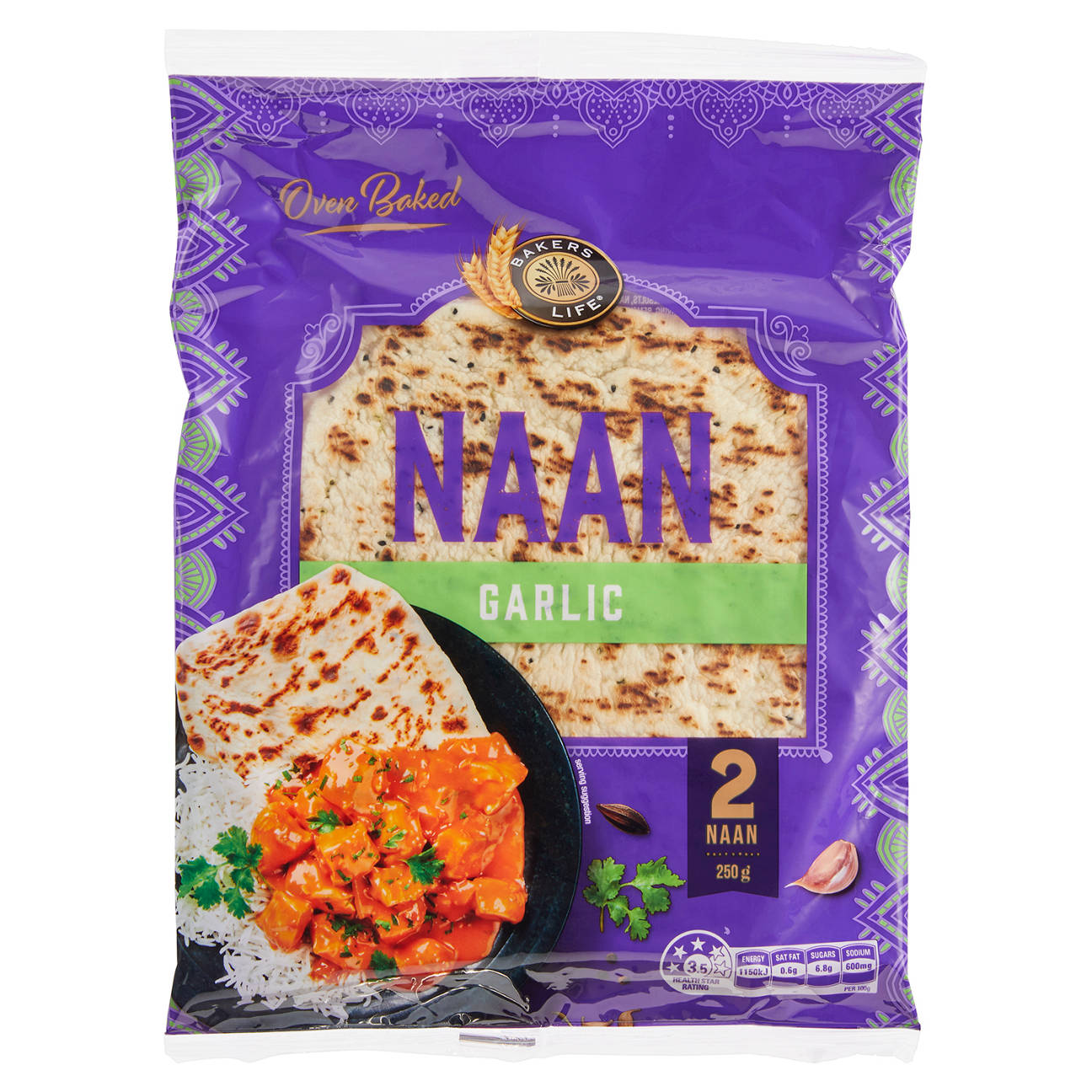
This naan bread contains some beneficial ingredients like garlic and sea salt, which add flavor and trace minerals. However, the presence of refined cane sugar and non-GMO canola oil, a seed oil high in omega-6 fatty acids, detracts from its health profile. The product is moderately processed, which limits its score, and the use of healthier oils could improve its nutritional quality.
Key ingredients 10
GarlicGood
Garlic is known for its strong flavor and potential health benefits, including antimicrobial properties. It contains compounds like allicin, which may support heart health and immune function. Fresh garlic is more beneficial than processed forms due to higher active compound content.
Risks
Excessive consumption may cause digestive discomfort in some individuals.
Benefits
Contains allicin, which may support heart health and has antimicrobial properties. Enhances flavor and provides potential health benefits.
Sea SaltGood
Sea salt is a minimally processed salt that contains trace minerals, which can be beneficial for health. It is a natural source of sodium, essential for maintaining fluid balance and nerve function. Unlike refined table salt, sea salt retains its mineral content.
Risks
Excessive sodium intake can lead to high blood pressure and cardiovascular issues.
Benefits
Provides essential sodium and trace minerals, supporting fluid balance and nerve function.
WaterNeutral
Water is a fundamental ingredient in baking, providing moisture and aiding in the mixing process. It is essential for activating yeast and developing gluten in dough. Water itself has no nutritional value but is crucial for hydration.
Benefits
Essential for hydration and necessary for the baking process, aiding in gluten development and yeast activation.
Cultured WheatNeutral
Cultured wheat is used as a natural preservative in baked goods, derived from fermented wheat flour. It helps extend shelf life without synthetic additives. While it offers some preservation benefits, it does not significantly enhance nutritional value.
Benefits
Acts as a natural preservative, extending shelf life without synthetic additives.
Baking SodaNeutral
Baking soda is a leavening agent that helps dough rise by releasing carbon dioxide. It is a common ingredient in baking, providing texture and volume. While essential for baking, it does not contribute nutritional value.
Risks
Excessive consumption can lead to alkalosis, but typical usage in baking poses no significant risks.
Benefits
Essential for leavening in baking, providing texture and volume to baked goods.
YeastNeutral
Yeast is a microorganism used in baking to ferment sugars, producing carbon dioxide and causing dough to rise. It is a natural ingredient that enhances texture and flavor in baked goods. Yeast itself offers minimal nutritional benefits but is crucial for bread-making.
Benefits
Crucial for fermentation in baking, enhancing texture and flavor in bread.
Organic EnzymesNeutral
Organic enzymes are used in baking to improve dough handling and texture. They are derived from natural sources and aid in the breakdown of starches and proteins. While beneficial for baking processes, they do not provide direct nutritional benefits.
Benefits
Enhance dough handling and texture, aiding in the baking process.
Wheat FlourBad
Refined grain flour stripped of bran and germ.
Risks
Refined wheat flour can contribute to blood sugar spikes and may lack essential nutrients found in whole grains.
Benefits
Provides structure and texture to baked goods, making it a versatile ingredient in cooking.
Cane SugarBad
Cane sugar is a refined sweetener that can contribute to increased calorie intake and blood sugar levels. Excessive consumption is linked to various health issues, including obesity and diabetes. Natural sweeteners or reduced sugar content are preferable for health.
Risks
High intake can lead to obesity, diabetes, and other metabolic disorders.
Benefits
Provides sweetness and enhances flavor, but offers no significant nutritional benefits.
Non-GMO Canola OilVery Bad
Canola oil is a seed oil high in omega-6 fatty acids, which can promote inflammation when consumed in excess. It is often highly processed, which may reduce its nutritional quality. Alternatives like olive oil or avocado oil are healthier options.
Risks
High omega-6 content may promote inflammation when consumed in excess.
Processing
Processed Foods
Get the full breakdown in the Scout appTake Scout shopping
Scan any product to see lab results, healthy alternatives, and your personalized analysis.
Download on theApp Store GET IT ONGoogle Play