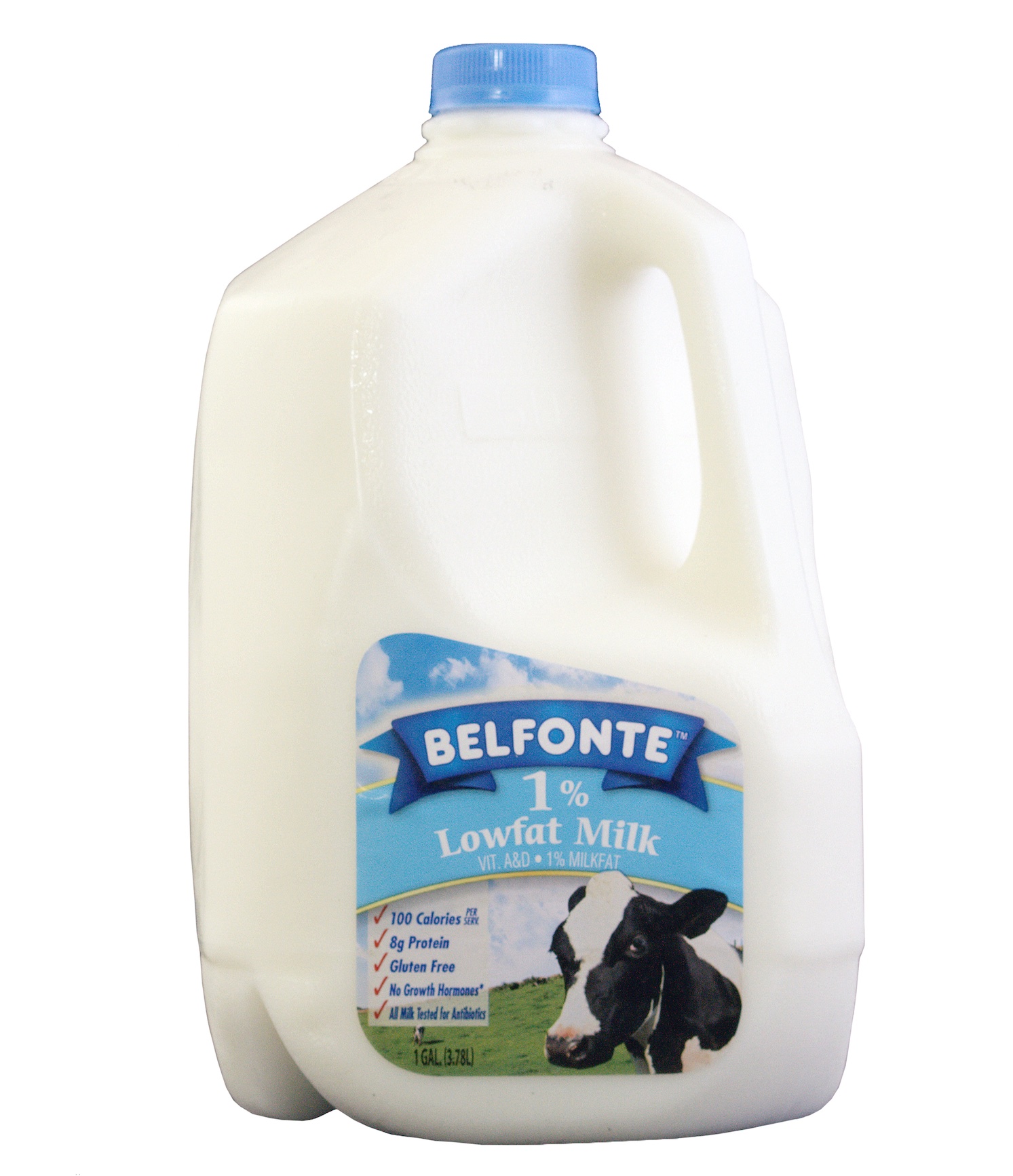
Cultured Lowfat Buttermilk

At a glance
Summary
This cultured lowfat buttermilk is a processed food with a relatively clean ingredient list. It contains beneficial nutrients like probiotics from cultured milk, and is fortified with vitamins A and D3, which support vision, immune function, and bone health. However, the presence of 'natural flavor' introduces some uncertainty regarding its composition, and the product's processing level limits its maximum score.
Key ingredients 6
Cultured lowfat milkGood
Cultured lowfat milk is a source of probiotics which can support gut health. It is minimally processed and retains essential nutrients like calcium and protein. The fermentation process enhances digestibility and nutrient absorption.
Benefits
Provides beneficial probiotics that support digestive health and is a good source of calcium and protein.
Vitamin D3Good
Vitamin D3 is added to enhance the nutritional profile, supporting bone health and calcium absorption. It is a crucial nutrient often lacking in diets, especially in low sunlight exposure areas. Fortification helps prevent deficiencies.
Benefits
Promotes bone health and aids in calcium absorption, reducing the risk of osteoporosis.
SaltNeutral
Salt is used to enhance flavor and preserve the product. It is a common culinary ingredient with no significant processing concerns. However, excessive consumption can lead to health issues such as high blood pressure.
Risks
Excessive salt intake can contribute to hypertension and cardiovascular issues.
Benefits
Enhances flavor and acts as a preservative in food products.
Sodium citrateNeutral
Sodium citrate is used as an emulsifier and acidity regulator in food products. It is generally recognized as safe and is used in small quantities. It helps maintain the stability and texture of the product.
Benefits
Helps maintain product stability and texture, ensuring a consistent quality.
Vitamin A palmitateNeutral
Standard formulation ingredient — neither beneficial nor harmful at typical use.
Risks
Excessive intake of vitamin A can lead to toxicity, but this is unlikely from fortified foods alone.
Benefits
Supports vision and immune health by providing an essential nutrient.
Natural flavorBad
Natural flavors are often used to enhance taste but can be derived from complex processes. They lack transparency regarding their exact composition. The term 'natural' does not guarantee a healthier option compared to artificial flavors.
Risks
Potential allergens or sensitivities may be present due to undisclosed components.
Processing
Processed Foods
Get the full breakdown in the Scout appTake Scout shopping
Scan any product to see lab results, healthy alternatives, and your personalized analysis.
Are you Kemps? Fix an error Get the badge Get tested