


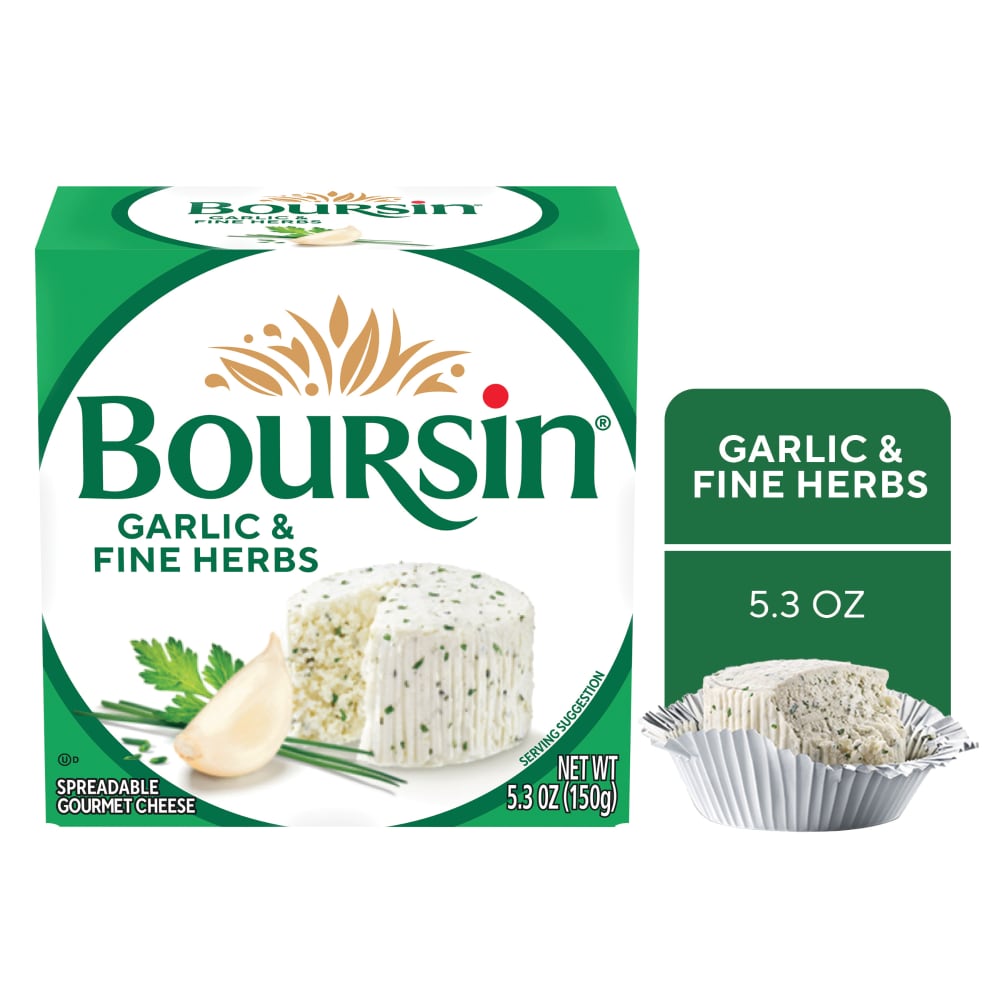

Dill Pickle Flavor Spreadable Cheese Wedges
Analysis updated July 2026 · How Scout scores
At a glance
Summary
This spreadable cheese product contains beneficial ingredients like cheddar cheese, whey, and skim milk, which provide high-quality protein and essential nutrients. However, it includes sodium polyphosphate, a synthetic additive that can affect mineral absorption, and the product is moderately processed, which limits its score. The presence of a clean ingredient list with minimal additives helps maintain a reasonable rating despite the processing level.
Key ingredients 9
Cheddar CheeseGood
Cheddar cheese is a source of high-quality protein and calcium. It is made from milk and contains beneficial fats and nutrients. The fermentation process also adds probiotics which can support gut health.
Risks
High in saturated fats which may contribute to heart disease if consumed in excess.
Benefits
Provides essential nutrients like calcium and protein, supporting bone health and muscle maintenance.
Milk Protein ConcentrateGood
Beneficial ingredient — whole-food or functional value in this product class.
Risks
May cause allergic reactions in individuals with milk allergies.
Benefits
Provides a concentrated source of protein, beneficial for muscle maintenance.
Dehydrated DillGood
Dehydrated dill adds flavor and contains antioxidants. It is a natural ingredient with potential health benefits. Dill is known for its digestive and anti-inflammatory properties.
Benefits
Contains antioxidants and may support digestive health.
WheyNeutral
Liquid whey as a minor dairy ingredient — benign.
Risks
May cause digestive issues in lactose-intolerant individuals.
Benefits
Supports muscle growth and repair due to its rich amino acid content.
WaterNeutral
Water is used as a solvent and to adjust the texture of the product. It is a neutral ingredient with no direct nutritional impact. Essential for hydration but does not contribute to the nutritional profile of the product.
See more about Water →Skim MilkNeutral
Standard formulation ingredient — neither beneficial nor harmful at typical use.
Risks
May cause allergic reactions in individuals with milk allergies.
Benefits
Offers calcium and protein with lower fat content, supporting bone health.
Tricalcium PhosphateNeutral
Tricalcium phosphate is used as a calcium supplement and anti-caking agent. It helps maintain product texture and provides additional calcium. While beneficial for calcium fortification, it is not a natural source.
Risks
Excessive intake may lead to hypercalcemia or kidney stones.
Benefits
Provides additional calcium, supporting bone health.
Citric AcidNeutral
Citric acid is a natural preservative and flavor enhancer. It is commonly used to add acidity and preserve freshness. While generally safe, it is a processed additive.
Risks
May cause tooth enamel erosion if consumed in large quantities.
Benefits
Helps preserve freshness and enhance flavor.
Sodium PolyphosphateBad
Sodium polyphosphate is an additive used to improve texture and stability in processed foods. It is a synthetic compound that can affect mineral absorption. Excessive consumption may lead to imbalances in mineral levels.
Risks
May interfere with calcium absorption and contribute to mineral imbalances.
Processing
Processed Foods
Get the full breakdown in the Scout appTake Scout shopping
Scan any product to see lab results, healthy alternatives, and your personalized analysis.
Download on theApp Store GET IT ONGoogle Play