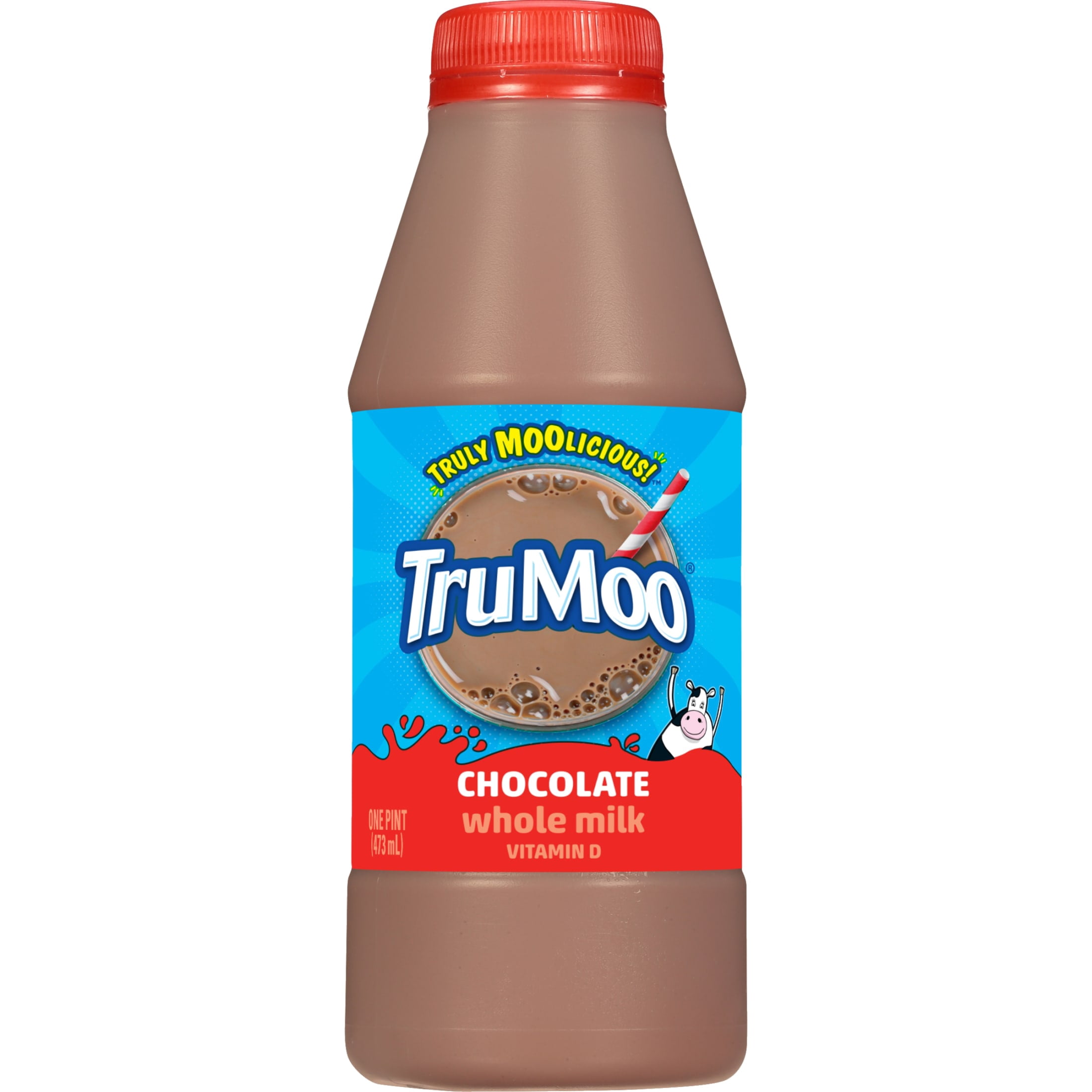
Chocolate whole milk
At a glance
Summary
This chocolate whole milk is ultra-processed, which limits its score despite containing beneficial ingredients like milk and vitamin D3. The presence of liquid sugar significantly increases the added sugar content, which can contribute to health issues if consumed in excess. Additionally, the use of carrageenan and natural flavors raises concerns due to potential inflammatory effects and lack of transparency in ingredient composition.
Key ingredients 8
MilkGood
Milk is a natural source of high-quality protein and essential nutrients like calcium and vitamin D. It supports bone health and provides a balanced nutrient profile. The whole milk used here offers beneficial fats that are important for various bodily functions.
Risks
Potential risks include lactose intolerance or milk allergies in some individuals.
Benefits
Rich in calcium and vitamin D, which are crucial for maintaining strong bones and teeth. Provides high-quality protein and beneficial fats.
Vitamin D3Good
Vitamin D3 is essential for calcium absorption and bone health. It is often added to dairy products to enhance their nutritional profile. Adequate vitamin D levels support immune function and overall health.
Benefits
Supports bone health and calcium absorption. Contributes to immune system function.
Nonfat milkNeutral
Nonfat milk provides protein and calcium without the fat content of whole milk. It is often used to adjust the fat content in dairy products. While it offers essential nutrients, it lacks the beneficial fats found in whole milk.
Benefits
Provides protein and calcium, contributing to bone health and muscle maintenance.
CocoaNeutral
Cocoa processed with alkali, also known as Dutch-processed cocoa, has a milder flavor and darker color. The alkalization process reduces acidity but may also decrease some antioxidant properties. It is used primarily for flavor and color in chocolate products.
Benefits
Provides flavor and color to chocolate products, though antioxidant content may be reduced.
SaltNeutral
Salt is used to enhance flavor in food products. It is a source of sodium, which is essential for fluid balance and nerve function. However, excessive sodium intake can lead to health issues such as hypertension.
Risks
Excessive sodium intake can contribute to high blood pressure and cardiovascular disease.
Benefits
Essential for maintaining fluid balance and proper nerve function.
Liquid sugarBad
Liquid sugar is a refined sweetener that contributes to added sugars in the diet. Excessive consumption of added sugars is linked to various health issues, including obesity and metabolic syndrome. It lacks nutritional value and can lead to increased calorie intake.
Risks
High intake of added sugars can increase the risk of obesity, type 2 diabetes, and heart disease.
CarrageenanBad
Carrageenan is a food additive used as a thickener and stabilizer. It is derived from red seaweed but has been linked to potential inflammatory effects in the digestive system. Its use is controversial due to these potential health concerns.
Risks
May cause digestive issues and inflammation in sensitive individuals.
Natural flavorBad
Natural flavors are used to enhance taste but are often vague in composition. They can contain a variety of compounds, some of which may not be disclosed. The lack of transparency and potential for synthetic additives is a concern.
Risks
Potential for undisclosed synthetic additives and allergens.
Processing
Ultra-Processed Foods
Get the full breakdown in the Scout appTake Scout shopping
Scan any product to see lab results, healthy alternatives, and your personalized analysis.
Are you TruMoo? Fix an error Get the badge Get tested