
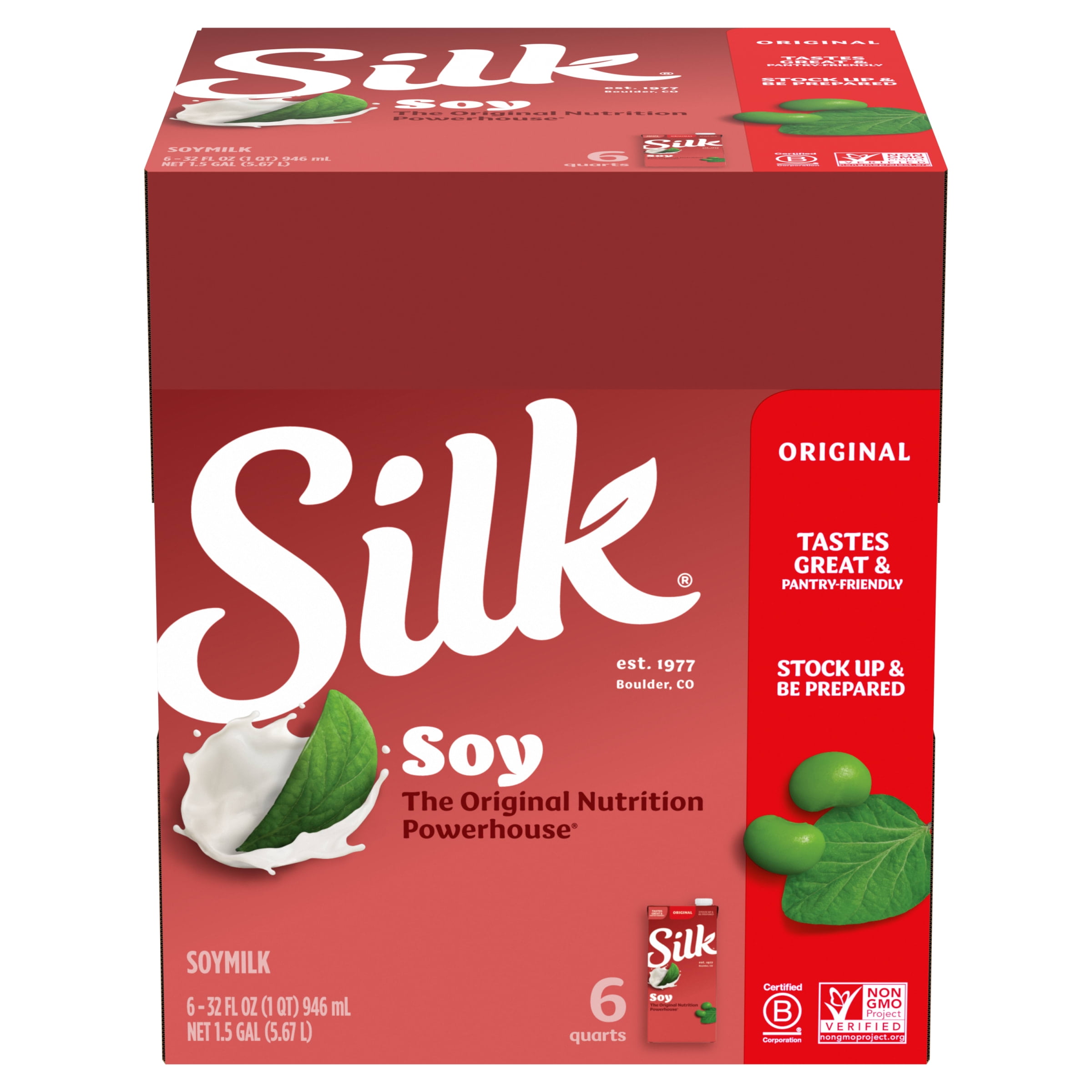


Simply Nature ORGANIC ORIGINAL SOYMILK
Simply NatureAnalysis updated August 2026 · How Scout scores
At a glance
Summary
This organic soymilk is fortified with essential vitamins and minerals, making it a nutritious option for those seeking plant-based alternatives. However, it contains added organic cane sugar and natural flavors, which are less desirable due to their potential health impacts and lack of transparency. The product is also ultra-processed, which limits its overall health rating despite the presence of beneficial ingredients.
Key ingredients 12
Organic SoymilkGood
Organic soymilk is a plant-based milk alternative that provides protein and essential nutrients. Being organic, it is free from synthetic pesticides and GMOs. It is a suitable option for those with lactose intolerance or seeking plant-based diets.
Risks
Soy products can be allergenic for some individuals and may interfere with thyroid function if consumed in large amounts.
Benefits
Rich in plant-based protein and contains isoflavones which may have health benefits such as reducing cholesterol levels.
Sea SaltGood
Sea salt is a natural source of sodium and trace minerals. It is less processed than table salt and retains more natural minerals. It enhances flavor and provides essential electrolytes.
Risks
Excessive sodium intake can lead to high blood pressure and cardiovascular issues.
Benefits
Contains trace minerals that are beneficial for health and helps maintain fluid balance.
Ergocalciferol (Vitamin D2)Good
Ergocalciferol is a plant-based form of vitamin D used to fortify foods, supporting bone health and calcium absorption. It is especially important for individuals with limited sun exposure. Fortification helps prevent vitamin D deficiency.
Risks
High doses can lead to vitamin D toxicity, causing hypercalcemia.
Benefits
Supports bone health and helps maintain proper calcium levels in the body.
Riboflavin (Vitamin B2)Good
Riboflavin is a B vitamin essential for energy production and cellular function. It is water-soluble and must be consumed regularly as it is not stored in the body. Fortification ensures adequate intake for metabolic processes.
Benefits
Supports energy production and overall cellular health.
Cyanocobalamin (Vitamin B12)Good
Cyanocobalamin is a synthetic form of vitamin B12 used to fortify foods, crucial for nerve function and red blood cell formation. It is especially important for vegans and vegetarians who may lack B12 in their diet. Fortification helps prevent B12 deficiency.
Benefits
Essential for nerve health and the production of red blood cells.
Calcium CarbonateNeutral
Standard formulation ingredient — neither beneficial nor harmful at typical use.
Risks
Excessive intake can lead to hypercalcemia, which may cause kidney stones and impaired absorption of other minerals.
Benefits
Supports bone health and helps prevent osteoporosis.
Organic Natural FlavorNeutral
Organic natural flavor is used to enhance taste and is derived from organic sources. It is subject to organic standards, reducing exposure to synthetic chemicals. However, it still lacks transparency in its composition.
Benefits
Adds flavor without synthetic chemicals, adhering to organic standards.
Gellan GumNeutral
Gellan gum is a gelling agent used to stabilize and thicken products. It is derived from bacterial fermentation and is generally recognized as safe. It helps maintain texture and consistency in food products.
Risks
Excessive consumption may cause digestive discomfort in sensitive individuals.
Benefits
Provides stability and texture to food products without significant health risks.
Organic Locust Bean GumNeutral
Organic locust bean gum is a natural thickener derived from carob seeds. It is used to improve texture and is considered safe for consumption. Being organic, it is free from synthetic pesticides.
Risks
May cause digestive issues if consumed in large amounts.
Benefits
Improves texture and is a natural, organic thickening agent.
Vitamin A PalmitateNeutral
Standard formulation ingredient — neither beneficial nor harmful at typical use.
Risks
Excessive intake can lead to hypervitaminosis A, causing toxicity symptoms.
Benefits
Essential for maintaining healthy vision and immune function.
Organic Cane SugarBad
Organic cane sugar is a refined sugar that contributes to the sweetness of the product. Despite being organic, it still poses similar health risks as regular sugar. Excessive consumption can lead to health issues such as obesity and diabetes.
Risks
High sugar intake is associated with increased risk of obesity, type 2 diabetes, and dental cavities.
Benefits
Provides quick energy but lacks significant nutritional benefits.
Natural FlavorsBad
Natural flavors are added to enhance taste but can be derived from complex mixtures of chemicals. They lack transparency and can include allergens or additives. The term 'natural' does not guarantee health benefits or minimal processing.
Risks
May contain allergens or additives that are not disclosed on the label.
Processing
Ultra-Processed Foods
Get the full breakdown in the Scout appTake Scout shopping
Scan any product to see lab results, healthy alternatives, and your personalized analysis.
Download on theApp Store GET IT ONGoogle Play