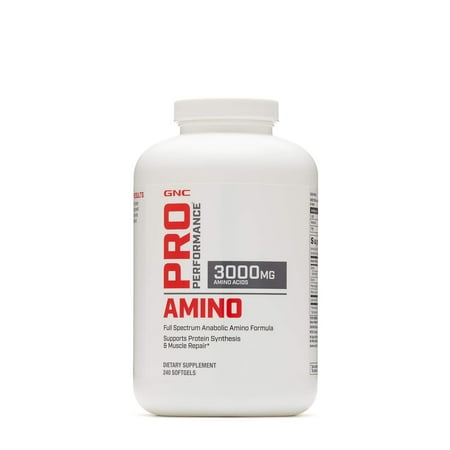
GNC Pro Performance Amino
At a glance
Summary
This amino acid supplement contains beneficial ingredients like essential amino acids and L-Carnitine, which support muscle recovery and energy production. However, the presence of liquid soy lecithin and natural flavors introduces some concerns due to their processed nature and potential allergenicity. The formulation is generally effective, but these additives slightly detract from its overall quality. Its plastic packaging can shed microplastics into the product and lowers its score.
Key ingredients 20
L-ValineGood
L-Valine is an essential amino acid that supports muscle metabolism and tissue repair. It is crucial for maintaining nitrogen balance in the body and is often used in sports supplements for its role in muscle recovery. As a branched-chain amino acid (BCAA), it is directly involved in energy production during exercise.
Benefits
Supports muscle growth and repair, and aids in energy production during physical activity.
Micronized L-ValineGood
Micronized L-Valine is a form of L-Valine that has been processed to increase its solubility and absorption. This enhances its effectiveness in muscle recovery and energy production. The micronization process ensures quicker delivery and utilization by the body.
Benefits
Improved absorption and effectiveness in supporting muscle recovery and energy production.
Micronized LysineGood
Micronized Lysine is an essential amino acid important for protein synthesis and calcium absorption. The micronization process enhances its bioavailability, making it more effective in supporting immune function and collagen formation. It is vital for growth and tissue repair.
Benefits
Supports immune function, collagen formation, and enhances calcium absorption.
Micronized ThreonineGood
Micronized Threonine is an essential amino acid that plays a role in protein synthesis and maintaining proper protein balance in the body. The micronization process improves its absorption and utilization. It is crucial for the formation of collagen and elastin.
Benefits
Essential for protein synthesis and supports the formation of collagen and elastin.
Micronized PhenylalanineGood
Micronized Phenylalanine is an essential amino acid that is a precursor to neurotransmitters like dopamine and norepinephrine. The micronization process enhances its absorption and effectiveness in supporting mood and cognitive function. It is important for the production of other amino acids.
Benefits
Supports mood and cognitive function by serving as a precursor to neurotransmitters.
L-PhenylalanineGood
L-Phenylalanine is an essential amino acid that is a precursor to important neurotransmitters. It supports mood regulation and cognitive function. It is crucial for the synthesis of proteins and other amino acids.
Benefits
Supports neurotransmitter production, aiding in mood regulation and cognitive function.
L-CarnitineGood
L-Carnitine is a compound that plays a crucial role in energy production by transporting fatty acids into the mitochondria. It is beneficial for enhancing exercise performance and recovery. It also supports heart health and fat metabolism.
Benefits
Enhances energy production and supports heart health and fat metabolism.
L-LeucineGood
L-Leucine is a branched-chain amino acid (BCAA) that is essential for protein synthesis and muscle repair. It is particularly effective in stimulating muscle growth and recovery. It plays a key role in regulating blood sugar levels and energy production.
Benefits
Stimulates muscle growth and aids in protein synthesis and recovery.
L-IsoleucineGood
L-Isoleucine is a branched-chain amino acid (BCAA) that supports muscle metabolism and energy production. It is essential for hemoglobin production and muscle repair. It helps in regulating blood sugar levels and energy balance.
Benefits
Supports muscle metabolism and energy production, and aids in muscle repair.
Vitamin EGood
Vitamin E is a powerful antioxidant that protects cells from oxidative damage. It supports immune function and skin health. It is essential for maintaining healthy vision and reproductive health.
Benefits
Protects cells from oxidative damage and supports immune and skin health.
PotassiumGood
Potassium is an essential mineral that helps regulate fluid balance, muscle contractions, and nerve signals. It is crucial for heart health and reducing blood pressure. Adequate potassium intake can help prevent muscle cramps and support overall cardiovascular health.
Benefits
Supports heart health and helps regulate fluid balance and muscle contractions.
MagnesiumGood
Magnesium is an essential mineral involved in over 300 biochemical reactions in the body. It supports muscle and nerve function, bone health, and energy production. Adequate magnesium intake is important for maintaining normal blood pressure and heart rhythm.
Benefits
Supports muscle and nerve function, bone health, and energy production.
SodiumNeutral
Sodium is an essential mineral that helps maintain fluid balance and nerve function. It is necessary for muscle contractions and nerve transmissions. While essential, excessive intake can lead to health issues such as hypertension.
Risks
Excessive sodium intake can lead to hypertension and cardiovascular issues.
Benefits
Essential for maintaining fluid balance and proper nerve and muscle function.
ChlorideNeutral
Chloride is an essential electrolyte that helps maintain fluid balance and acid-base balance in the body. It is a component of stomach acid, which is necessary for digestion. While essential, excessive intake can disrupt electrolyte balance.
Risks
Excessive chloride intake can disrupt electrolyte balance and lead to dehydration.
Benefits
Essential for maintaining fluid balance and proper digestion.
Citric AcidNeutral
Citric acid is a natural preservative and flavor enhancer commonly used in food products. It is naturally found in citrus fruits and is used to add a sour taste. While generally recognized as safe, excessive consumption can lead to dental erosion.
Risks
Excessive consumption can lead to dental erosion.
Benefits
Acts as a preservative and flavor enhancer in food products.
Malic AcidNeutral
Malic acid is a naturally occurring compound found in fruits and used as a flavor enhancer in food products. It contributes to the sour taste and is involved in energy production in the body. It is generally recognized as safe when consumed in typical amounts.
Benefits
Enhances flavor and is involved in energy production.
Stevia Leaf ExtractNeutral
Stevia leaf extract is a natural, zero-calorie sweetener derived from the leaves of the Stevia plant. It is used as a sugar substitute and has no significant health concerns. It provides sweetness without affecting blood sugar levels.
Benefits
Provides sweetness without calories or affecting blood sugar levels.
SilicaNeutral
Silica is used as an anti-caking agent in food products to prevent clumping. It is naturally found in the earth's crust and is considered safe for consumption. It does not contribute any nutritional value.
Benefits
Prevents clumping in food products, ensuring smooth texture.
Liquid Soy LecithinBad
Liquid Soy Lecithin is used as an emulsifier in food products. It is derived from soybeans, which may be genetically modified and can contain allergens. While it helps in blending ingredients, it is considered a processed additive.
Risks
May contain allergens and is often derived from genetically modified soybeans.
Benefits
Acts as an emulsifier, improving texture and consistency in food products.
Natural FlavorsBad
Natural flavors are additives used to enhance the taste of food products. They are often derived from natural sources but can be highly processed and contain undisclosed ingredients. The lack of transparency in their composition raises concerns about potential allergens and additives.
Risks
May contain undisclosed additives and potential allergens.
Processing
Ultra-Processed Foods
Get the full breakdown in the Scout appTake Scout shopping
Scan any product to see lab results, healthy alternatives, and your personalized analysis.
Are you GNC Pro Performance? Fix an error Get the badge Get tested
Amazon pricing & content
Amazon price as of . Product prices and availability are accurate as of the date/time indicated and are subject to change. Any price and availability information displayed on Amazon.com at the time of purchase will apply to the purchase of this product.
CERTAIN CONTENT THAT APPEARS ON THIS SITE COMES FROM AMAZON. THIS CONTENT IS PROVIDED “AS IS” AND IS SUBJECT TO CHANGE OR REMOVAL AT ANY TIME.