
Troyer Green Onion pasteurized process cheese
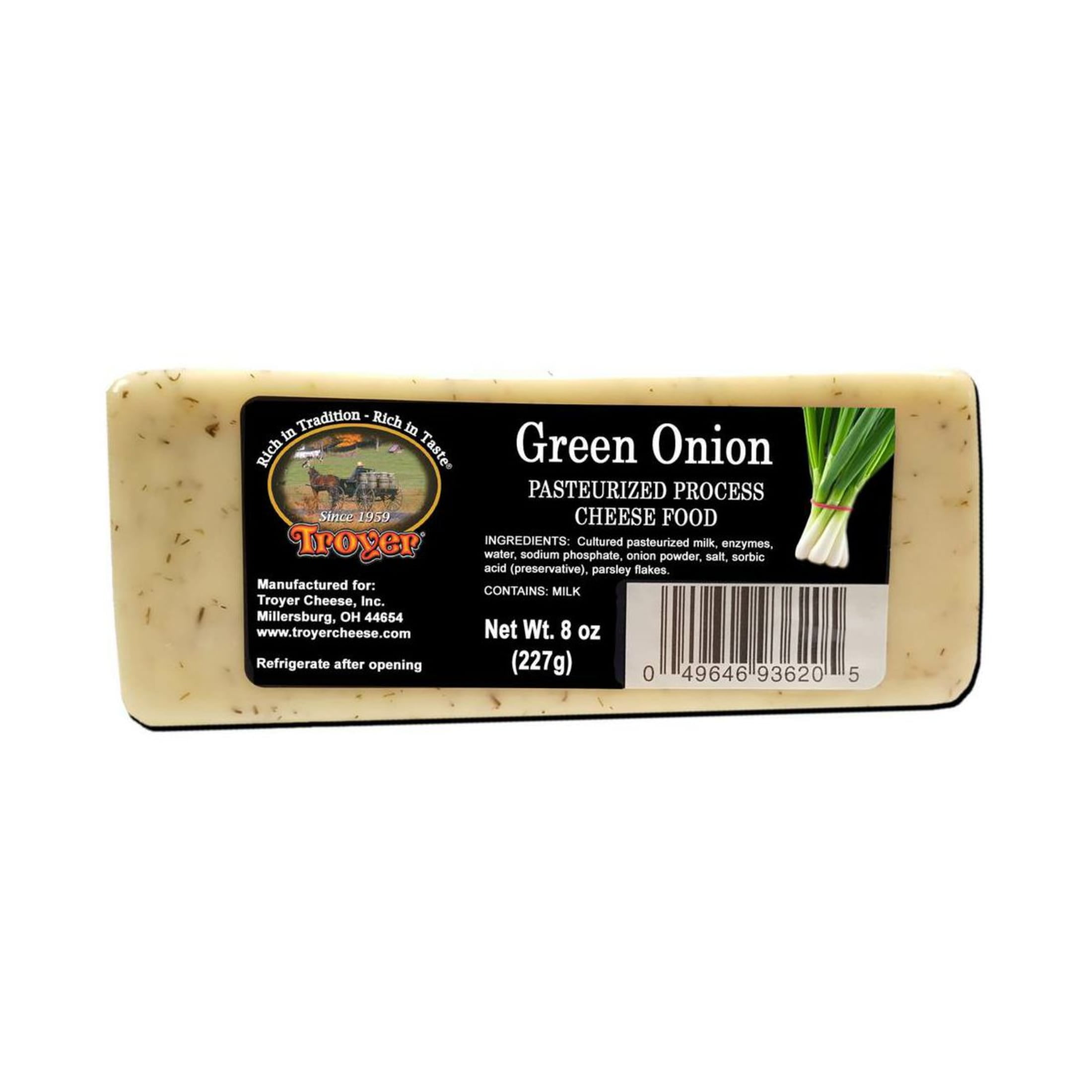
At a glance
Summary
This product is a processed cheese with a moderate level of processing, containing synthetic additives like sodium phosphate and sorbic acid, which are used for emulsification and preservation. While it includes beneficial ingredients like cultured pasteurized milk and onion powder, the presence of these additives and the nature of processed cheese limit its healthfulness compared to more traditional cheese options.
Key ingredients 8
Cultured pasteurized milkGood
Cultured pasteurized milk is a primary ingredient in cheese, providing essential nutrients like calcium and protein. The pasteurization process ensures safety by eliminating harmful bacteria. Culturing adds beneficial probiotics that can aid digestion.
Benefits
Rich in calcium and protein, supporting bone health and muscle maintenance. Contains probiotics that may improve gut health.
Onion powderGood
Onion powder adds flavor and contains beneficial compounds like antioxidants. It is a dehydrated form of onion, retaining some of its nutritional properties. Provides a natural flavor enhancement without artificial additives.
Benefits
Contains antioxidants that may support immune health and provide anti-inflammatory benefits.
WaterNeutral
Water is used as a solvent and to adjust the texture of the cheese product. It is a neutral ingredient with no direct nutritional impact. Its presence helps in achieving the desired consistency of the cheese.
See more about Water →SaltNeutral
Salt is used for flavor enhancement and as a preservative in cheese. It is a common ingredient in processed foods, contributing to sodium intake. While necessary for flavor, excessive consumption can lead to health issues.
Risks
High sodium intake can contribute to hypertension and cardiovascular issues.
Benefits
Enhances flavor and acts as a preservative, extending shelf life.
Parsley flakesNeutral
Parsley flakes are used for flavor and visual appeal in cheese products. They are a natural ingredient with minimal nutritional impact in small quantities. Provides a mild herbal flavor without artificial additives.
Benefits
Adds flavor and visual appeal with minimal caloric impact.
EnzymesNeutral
Enzymes are used in cheese production to aid in coagulation and flavor development. They are essential for the cheese-making process but do not contribute significant nutritional value. Typically derived from microbial or animal sources.
Benefits
Essential for cheese production, aiding in texture and flavor development.
Sodium phosphateBad
Sodium phosphate is used as an emulsifier and stabilizer in processed cheese. It is a synthetic additive that can affect mineral balance in the body. Overconsumption may lead to health concerns related to phosphate levels.
Risks
Excessive intake may disrupt calcium and phosphate balance, potentially affecting bone health.
Benefits
Helps maintain smooth texture and consistency in processed cheese.
Sorbic acidBad
Sorbic acid is a preservative used to prevent mold and yeast growth in cheese. It is a synthetic additive that can cause allergic reactions in sensitive individuals. While effective as a preservative, it is not a natural ingredient.
Risks
May cause allergic reactions or sensitivities in some individuals.
Benefits
Extends shelf life by preventing microbial growth.
Processing
Processed Foods
Get the full breakdown in the Scout appTake Scout shopping
Scan any product to see lab results, healthy alternatives, and your personalized analysis.


