


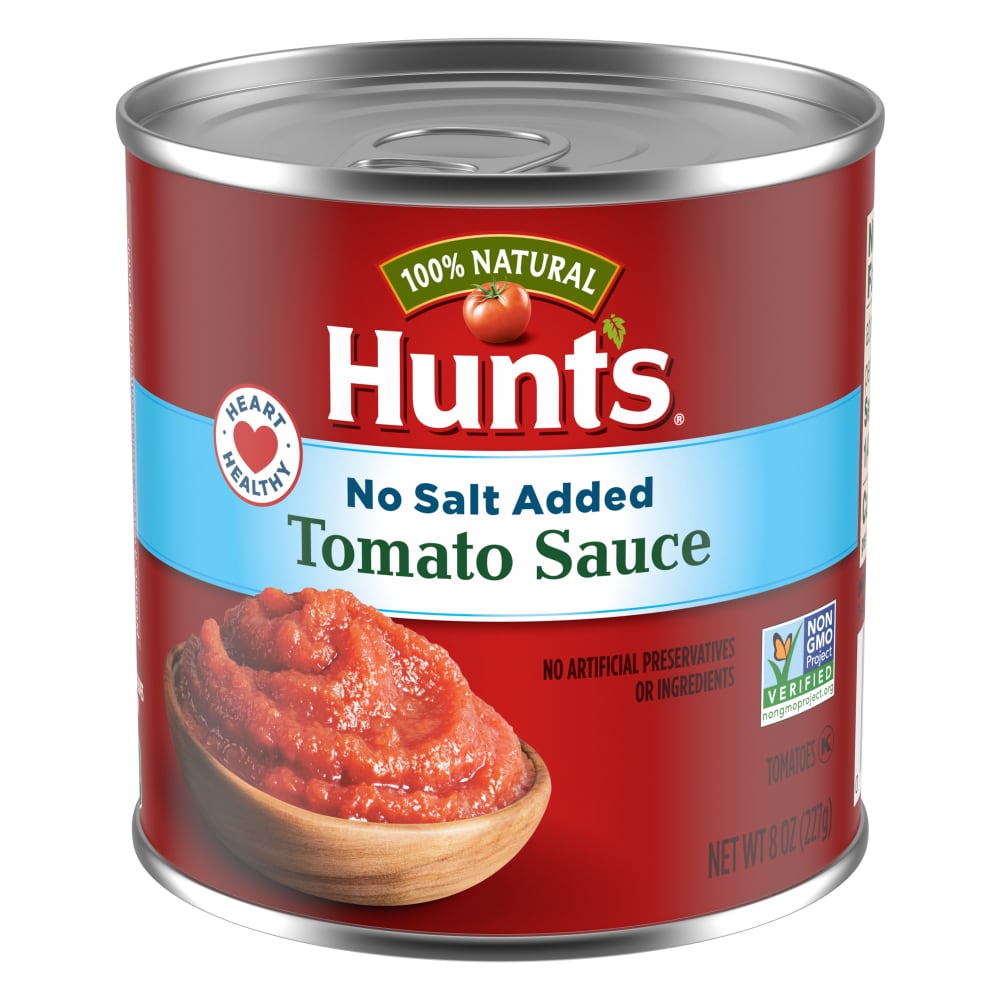
Prego Tomato Sauce
Analysis updated July 2026 · How Scout scores
At a glance
Summary
This tomato sauce contains beneficial ingredients like tomato puree and diced tomatoes, which provide vitamins and antioxidants. However, the presence of refined sugar and canola oil, a heavily processed seed oil, detracts from its nutritional quality. The product is moderately processed, which limits its overall health score despite having some redeeming qualities.
Key ingredients 12
Tomato pureeGood
Tomato puree is a concentrated source of tomatoes, providing a rich supply of vitamins and antioxidants. It is minimally processed, retaining much of the nutritional value of fresh tomatoes. The puree is a good source of lycopene, which has been linked to various health benefits.
Benefits
Rich in lycopene, which may reduce the risk of certain chronic diseases. Provides vitamins A and C, supporting immune function and skin health.
Diced tomatoesGood
Diced tomatoes in tomato juice are a source of essential nutrients and antioxidants. They are processed to retain the natural flavors and nutrients of fresh tomatoes. This ingredient contributes to the overall nutritional profile of the sauce.
Benefits
Provides vitamins C and K, as well as potassium, which are beneficial for heart health and bone strength.
Lower sodium sea saltGood
Lower sodium sea salt is a less processed form of salt that contains trace minerals. It is used to reduce the overall sodium content while still providing flavor. The presence of trace minerals can offer additional health benefits compared to regular table salt.
Benefits
Provides essential sodium and trace minerals, supporting electrolyte balance and overall health.
SaltNeutral
Salt is used to enhance flavor and preserve the product. It is a common ingredient in processed foods and provides sodium, an essential mineral. However, excessive intake of salt can lead to health issues such as hypertension.
Risks
High sodium intake is associated with increased risk of hypertension and cardiovascular diseases.
Benefits
Provides essential sodium, which is necessary for fluid balance and nerve function.
Dehydrated onionsNeutral
Dehydrated onions are used for flavoring and are a concentrated form of fresh onions. They retain some of the nutritional benefits of fresh onions but in reduced amounts. The dehydration process preserves the onions for longer shelf life.
Benefits
Provides flavor and some antioxidants, although in reduced quantities compared to fresh onions.
SpiceNeutral
Spices are used to enhance the flavor profile of the sauce. They are typically added in small amounts and can vary widely in type and nutritional content. The specific spices used are not detailed, making it difficult to assess their individual impact.
Benefits
May provide flavor and some antioxidants, depending on the specific spices used.
Citric acidNeutral
Citric acid is used as a preservative and to add acidity to the sauce. It is a naturally occurring compound found in citrus fruits and is generally recognized as safe. In processed foods, it helps maintain freshness and flavor.
Benefits
Helps preserve the product and maintain its flavor over time.
Dehydrated garlicNeutral
Dehydrated garlic is used for flavoring and retains some of the beneficial compounds found in fresh garlic. The dehydration process extends its shelf life while maintaining its pungent flavor. It is used in small quantities in processed foods.
Benefits
Provides flavor and some health-promoting compounds, although in reduced amounts compared to fresh garlic.
Onion extractNeutral
Onion extract is used to enhance flavor and may provide some of the beneficial compounds found in onions. It is typically used in small amounts in processed foods. The extract is concentrated, providing a potent onion flavor.
Benefits
May provide flavor and some antioxidants, although in reduced quantities compared to fresh onions.
Garlic extractNeutral
Garlic extract is used for flavoring and may retain some of the beneficial compounds found in fresh garlic. It is concentrated, providing a strong garlic flavor in small amounts. The extract is used to enhance the overall taste of the sauce.
Benefits
Provides flavor and some health-promoting compounds, although in reduced amounts compared to fresh garlic.
SugarBad
Refined sugar is added to enhance sweetness but offers no nutritional benefits. It is highly processed and can contribute to health issues when consumed in excess. The presence of sugar in processed foods can lead to increased calorie intake and potential weight gain.
Risks
Excessive consumption of sugar is linked to obesity, type 2 diabetes, and dental cavities.
Canola oilVery Bad
Canola oil is a seed oil high in omega-6 fatty acids, which can promote inflammation if consumed in large amounts. It is often extracted using chemical solvents and high heat, which may degrade its nutritional quality. The oil is heavily processed, which can lead to the formation of trans fats.
Risks
High omega-6 content may promote inflammation when consumed in excess. Potential presence of trans fats due to processing.
Processing
Processed Foods
Get the full breakdown in the Scout appTake Scout shopping
Scan any product to see lab results, healthy alternatives, and your personalized analysis.
Download on theApp Store GET IT ONGoogle PlayAmazon pricing & content
Amazon price as of . Product prices and availability are accurate as of the date/time indicated and are subject to change. Any price and availability information displayed on Amazon.com at the time of purchase will apply to the purchase of this product.
CERTAIN CONTENT THAT APPEARS ON THIS SITE COMES FROM AMAZON. THIS CONTENT IS PROVIDED “AS IS” AND IS SUBJECT TO CHANGE OR REMOVAL AT ANY TIME.