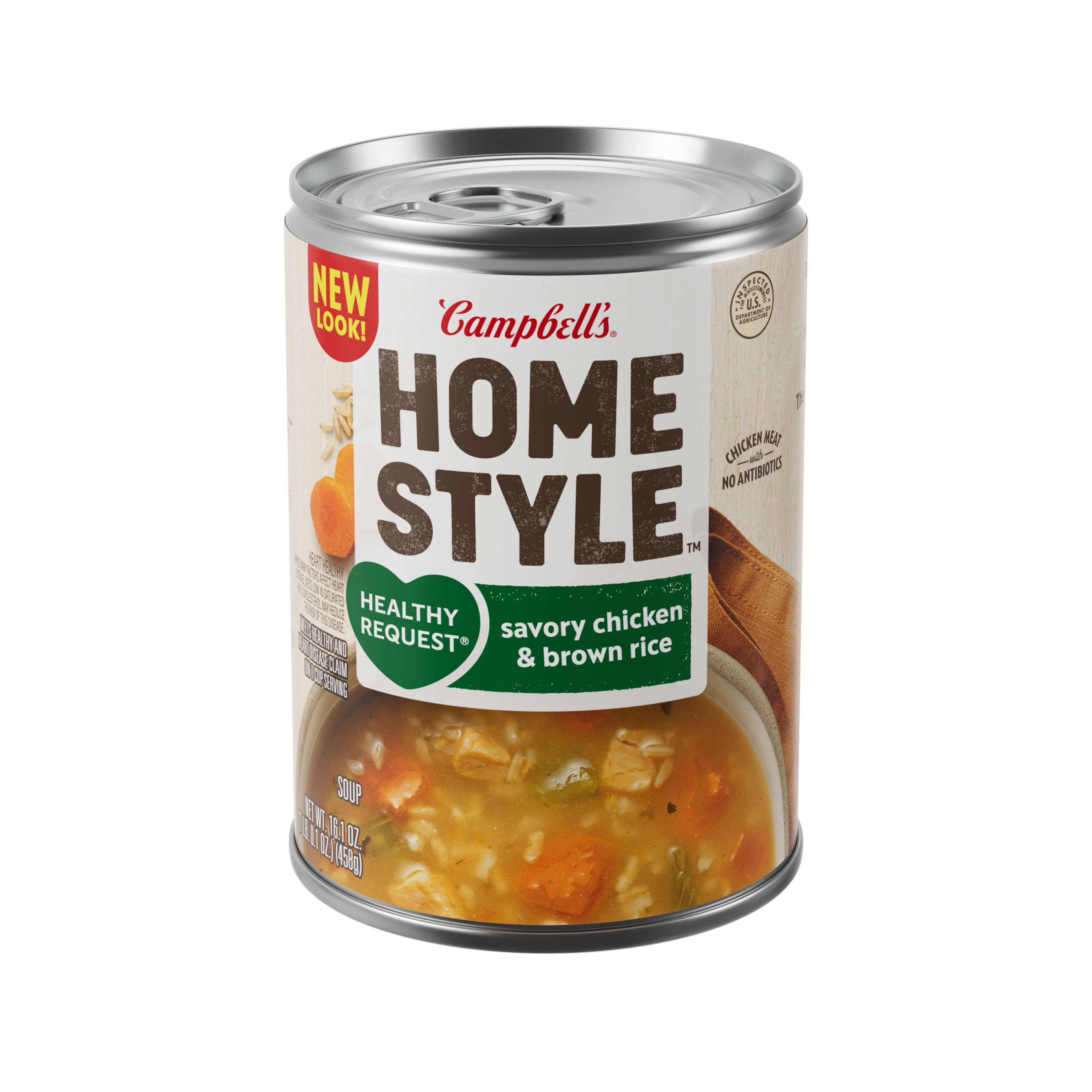
Homestyle Chicken & Rice
At a glance
Summary
This product contains a mix of beneficial ingredients like chicken stock, chicken meat, and vegetables, which contribute to its nutritional value. However, the presence of carrageenan and natural flavoring, along with its processed nature, detracts from its overall healthiness. Additionally, the brand's reputation for high sodium and ultra-processed products influences the score negatively.
Key ingredients 20
Chicken StockGood
Chicken stock is a flavorful base that provides essential nutrients like collagen and amino acids. It is typically made by simmering chicken bones and vegetables, which extracts beneficial compounds. The quality depends on the source of the chicken and the preparation method.
Benefits
Provides collagen and amino acids that support joint health and digestion. Enhances flavor and nutritional profile of dishes.
Chicken MeatGood
Chicken meat is a high-quality source of protein and essential nutrients. It provides a complete amino acid profile necessary for muscle repair and growth. The health benefits are maximized when sourced from pasture-raised or organic chickens.
Risks
Potential risk of contamination if not cooked properly. Choose organic or pasture-raised options to avoid antibiotics and hormones.
Benefits
Rich in protein and essential nutrients like B vitamins and selenium. Supports muscle growth and overall health.
CarrotsGood
Carrots are a nutrient-dense vegetable rich in beta-carotene, fiber, and antioxidants. They are typically consumed raw or cooked, retaining most of their nutritional value. The vibrant color indicates a high level of beneficial compounds.
Benefits
High in beta-carotene, which is converted to vitamin A, supporting vision and immune health. Provides dietary fiber for digestive health.
CeleryGood
Celery is a low-calorie vegetable rich in vitamins, minerals, and antioxidants. It is often used for its crunchy texture and hydrating properties. The high water content makes it a refreshing addition to dishes.
Benefits
Rich in antioxidants and vitamins like vitamin K and C. Supports hydration and provides dietary fiber.
Diced Tomatoes In Tomato JuiceGood
Diced tomatoes are a source of vitamins, minerals, and antioxidants like lycopene. They are typically canned in tomato juice, preserving their nutritional value. Lycopene is known for its potential heart health benefits.
Benefits
Rich in lycopene, which may support heart health and reduce inflammation. Provides vitamins C and K.
Wild RiceGood
Wild rice is a whole grain rich in protein, fiber, and antioxidants. It is less processed than white rice, retaining more nutrients. The nutty flavor and chewy texture make it a nutritious addition to meals.
Benefits
High in protein and fiber, supporting digestive health and satiety. Contains antioxidants that may reduce inflammation.
Dried OnionsGood
Dried onions are used for flavor and contain antioxidants and vitamins. They retain most of their nutritional value when dried. Onions are known for their potential anti-inflammatory properties.
Benefits
Rich in antioxidants and vitamins. May support immune health and reduce inflammation.
Dried Chicken BrothGood
Dried chicken broth provides concentrated flavor and nutrients. It is made by dehydrating chicken stock, retaining essential amino acids and minerals. It is a convenient way to add depth to dishes.
Benefits
Rich in amino acids and minerals. Enhances flavor and nutritional profile of dishes.
Dried GarlicGood
Dried garlic is used for flavor and contains beneficial compounds like allicin. It retains most of its nutritional value when dried. Garlic is known for its potential cardiovascular benefits.
Benefits
Rich in allicin, which may support heart health and immune function. Enhances flavor and provides antioxidants.
CornNeutral
Corn is a starchy vegetable that provides carbohydrates and some fiber. It is often used as a filler or base in many dishes. The nutritional value can vary based on preparation and processing methods.
Risks
May contribute to high carbohydrate intake if consumed in excess.
Benefits
Provides carbohydrates for energy and some fiber for digestive health.
RiceNeutral
Rice is a staple grain that provides carbohydrates and some protein. It is a versatile ingredient used in many cuisines. The nutritional profile varies between white and brown rice, with brown rice offering more fiber and nutrients.
Risks
May contribute to high carbohydrate intake if consumed in excess.
Benefits
Provides energy through carbohydrates and some protein. Brown rice offers additional fiber and nutrients.
WaterNeutral
Water is a fundamental ingredient used as a solvent and to adjust consistency. It is essential for hydration and does not contribute calories. Its role in food is primarily functional.
Benefits
Essential for hydration and maintaining bodily functions. Used to adjust consistency in food products.
SaltNeutral
Salt is used to enhance flavor and preserve food. It is a source of sodium, which is essential for fluid balance and nerve function. Excessive intake can lead to health issues like hypertension.
Risks
Excessive consumption may lead to high blood pressure and cardiovascular issues.
Benefits
Enhances flavor and acts as a preservative. Provides sodium necessary for bodily functions.
Yeast ExtractNeutral
Yeast extract is used as a flavor enhancer, providing umami taste. It is derived from yeast and contains glutamates naturally. It is often used in small amounts to boost flavor profiles.
Risks
May cause reactions in individuals sensitive to glutamates.
Benefits
Enhances flavor with umami notes. Contains B vitamins and amino acids.
Chicken FatNeutral
Chicken fat is used for flavor and as a source of fat. It provides a rich taste and is a natural source of energy. The quality depends on the source of the chicken.
Risks
High in saturated fats, which should be consumed in moderation.
Benefits
Enhances flavor and provides energy. Contains some fat-soluble vitamins.
Potato StarchNeutral
Potato starch is used as a thickening agent in foods. It is derived from potatoes and is gluten-free. It provides a smooth texture without altering flavor significantly.
Benefits
Provides a gluten-free thickening option. Enhances texture in food products.
SpiceNeutral
Spice is a generic term for various flavor-enhancing ingredients. It adds complexity and depth to dishes. The specific spices used are not disclosed, which limits detailed analysis.
Risks
Potential for undisclosed allergens or sensitivities.
Benefits
Enhances flavor and complexity in dishes. Derived from natural sources.
Beta Carotene For ColorNeutral
Beta carotene is a natural pigment used for coloring foods. It is a precursor to vitamin A and is considered safe. It provides an appealing color without artificial additives.
Benefits
Provides natural color and is a precursor to vitamin A. Considered safe and beneficial in moderate amounts.
Natural FlavoringBad
Natural flavoring is a catch-all term for flavor compounds derived from natural sources. The lack of transparency about specific ingredients can be concerning. It is often used to enhance flavor without adding nutritional value.
Risks
Potential for undisclosed allergens or sensitivities due to lack of transparency.
Benefits
Enhances flavor without adding calories. Derived from natural sources.
CarrageenanBad
Carrageenan is a thickening agent derived from red seaweed. It is used to improve texture and stability in foods. Some studies suggest it may cause digestive issues in sensitive individuals.
Risks
May cause digestive discomfort or inflammation in sensitive individuals.
Benefits
Improves texture and stability in food products. Derived from natural sources.
Processing
Processed Foods
Get the full breakdown in the Scout appTake Scout shopping
Scan any product to see lab results, healthy alternatives, and your personalized analysis.
Are you Campbell's? Fix an error Get the badge Get tested