



At a glance
Summary
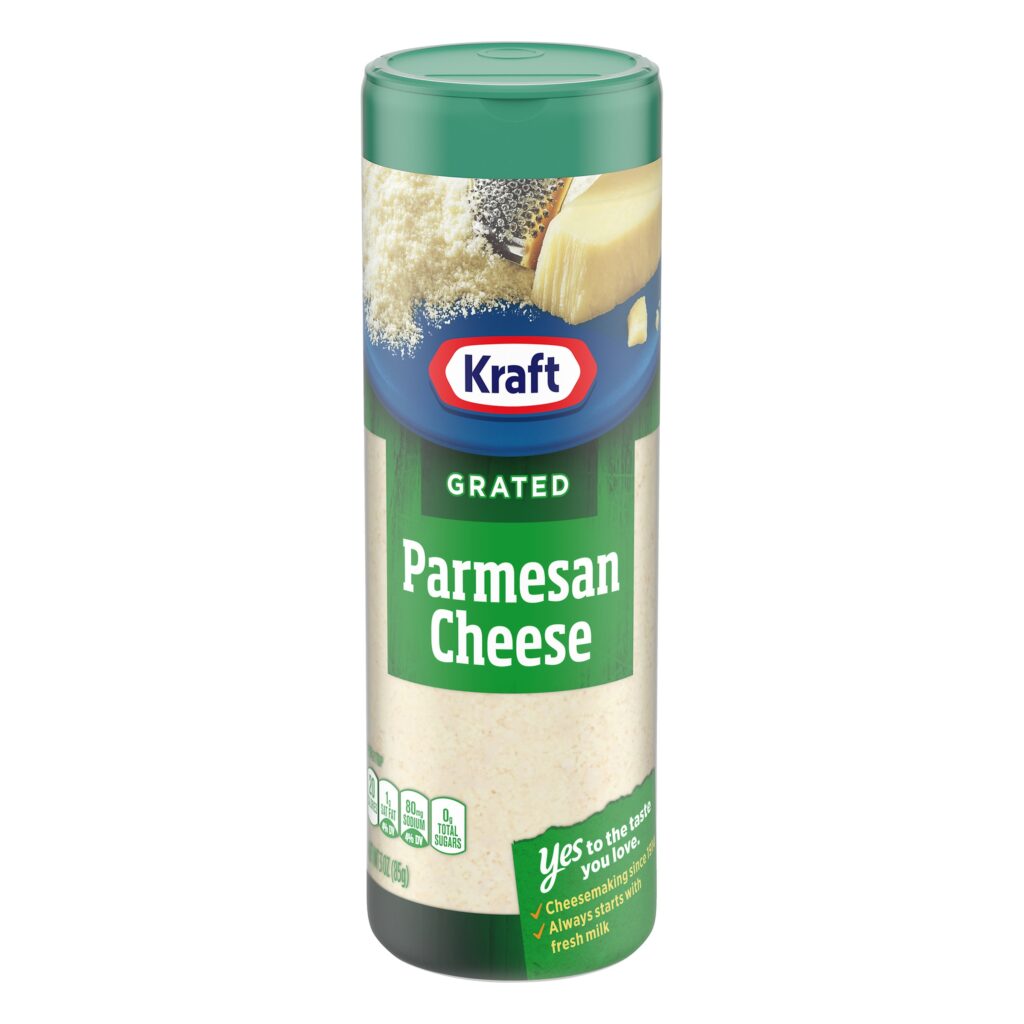
This product is a processed cheese with a relatively clean ingredient list, including pasteurized milk and bacterial cultures that contribute to its nutritional profile. However, the presence of cellulose as an anti-caking agent indicates a level of processing beyond traditional cheese making. The use of natamycin as a preservative also reflects additional processing, which impacts the overall score.
Key ingredients 8
Pasteurized milkGood
Pasteurized milk is a primary ingredient in cheese, providing essential nutrients like calcium and protein. The pasteurization process ensures safety by eliminating harmful bacteria. It serves as a base for fermentation, contributing to the cheese's flavor and texture.
Benefits
Rich in calcium and protein, supporting bone health and muscle maintenance.
Bacterial cultureGood
Bacterial cultures are essential for cheese fermentation, contributing to flavor and texture development. They help convert lactose into lactic acid, aiding digestion for lactose-sensitive individuals. The use of specific cultures can enhance the cheese's unique characteristics.
Benefits
Facilitates fermentation, improving flavor and digestibility.
SaltNeutral
Salt is used in cheese for flavor and as a preservative. It helps control moisture and bacterial growth during aging. While essential in moderation, excessive salt intake can lead to health issues.
Risks
High sodium intake can contribute to hypertension and cardiovascular diseases.
Benefits
Enhances flavor and acts as a preservative in cheese.
Calcium chlorideNeutral
Calcium chloride is used in cheese making to improve curd formation and firmness. It helps maintain calcium levels in milk, which can be reduced during pasteurization. Its use is common in cheese production to ensure consistent quality.
Benefits
Improves curd formation and texture in cheese making.
Microbial enzymeNeutral
Microbial enzymes are used as a vegetarian alternative to animal rennet in cheese making. They aid in milk coagulation, essential for cheese production. This alternative supports vegetarian dietary preferences.
Benefits
Supports vegetarian diets by replacing animal rennet in cheese production.
LipaseNeutral
Lipase is an enzyme that enhances the flavor profile of cheese by breaking down fats. It contributes to the development of characteristic flavors in aged cheeses. Its use is common in traditional cheese making for flavor enhancement.
Benefits
Enhances flavor development in cheese.
CelluloseNeutral
Standard formulation ingredient — neither beneficial nor harmful at typical use.
Risks
Excessive consumption of cellulose may lead to digestive discomfort.
Benefits
Prevents clumping in shredded cheese products.
NatamycinNeutral
Natamycin is a natural antifungal agent used to prevent mold growth on cheese surfaces. It is considered safe and effective for preserving cheese quality. Its use is limited to surface applications, minimizing ingestion.
Benefits
Prevents mold growth, extending the shelf life of cheese.
Processing
Processed Foods
Get the full breakdown in the Scout appTake Scout shopping
Scan any product to see lab results, healthy alternatives, and your personalized analysis.
Download on theApp Store GET IT ONGoogle Play